The guidance below sets out the Scottish Government’s policy position on the employment of healthcare students.
DL 2021 02 - Enhancing capacity - Student Deployment - Jan 2021Covid-19 Enhancing Workforce Capacity


The guidance below sets out the Scottish Government’s policy position on the employment of healthcare students.
DL 2021 02 - Enhancing capacity - Student Deployment - Jan 2021
Next week for three days folks will pop in and out of the Care Home Gathering which is Scottish Care’s virtual event for the care home sector. It comes at a time of real continued challenge and uncertainty for all those who are residents, their families and those who work to provide care and support.
A lot has been said and spoken, written and commented upon in relation to our care homes over the last year. The headlines have been full of stories, many of which have been ones of sadness and loss as the vicious effects of the Coronavirus have been felt across the country. People who have never been into a care home have taken upon themselves to comment and analyse, with a real mixture from voices of strident certainty arguing their views to those of a more reflective tone. But whilst others have commented and observed and in the midst of all the debate and blame, the castigation and mud-throwing, there have been the tens of thousands whose homes these places are, whose place of work these communities are, whose loved ones call these places ‘home’. For so many of them there has been a real grief not only for those they have known and lost but also for the very place they call home, for its rhythm and sense of peace.
There is a real sense of grieving for what has been lost and is in danger of still being lost combined with a longing for a restoration and a return to the familiar and the trusted past.
One of the greatest contemporary writers on loss and bereavement, and a huge personal favourite is Brené Brown. Her words on courage, vulnerability and empathy are well worth a look. In ‘Rising Strong’ she wrote:
Grief seems to create losses within us that reach beyond our awareness–we feel as if we’re missing something that was invisible and unknown to us while we had it, but is now painfully gone…Longing is not conscious wanting; it’s an involuntary yearning for wholeness, for understanding, for meaning, for the opportunity to regain or even simply touch what we’ve lost.
‘Longing is not conscious wanting; its an involuntary yearning… to… touch what we’ve lost.’
The tragedy which we have witnessed in the last year tells only part of the story of what care homes are really like. In this job and over nearly five years of doing it I have had the privilege of seeing what care homes really are, small and large, in village and city, on island and in suburb, fragile and strong. No single one is the same as another, any more than the homes we live in are alike.
But in truth they are ordinary places of brick and glass where extraordinary people live; not just extraordinary because of their age or what they have done or who they have been, but because they are people who are still sharing and telling, still creating and giving, still full of life and loving.
I long for the day when we get beyond easy soundbites to understand what a care home really is. It is not a place to be garrisoned from life and risk, to be secluded from loving and the reality of pain. They should not be places of antiseptic cleanliness but the mess of living. They are not places to cocoon older age but to enable people to live out every ounce of breath until their last. They are in no way places where individuals go to die, quite the reverse, they are places where one lives to the fulness of your hours; where compassion sits down beside fear and strokes away hurt with a hand of assurance. They are often amazing places because they are honest – for there is nothing more authentic than in living in the last days of one’s life and doing so in a way that enables you and others still to grow, to achieve, to create new starts and new loves, and to share touch and tenderness.
I long for the day when we can end the silence in care homes. The last year has brought emptiness to care homes, a quietness of absence where we have separated family and resident in the name of safety and protection. This has been an aching and harrowing time for all involved. No one I know in a care home as a manager or staff member wants to be keeping family out, but they are many of them struggling with fear and anxiety that the virus if it comes in will destroy all that is good about the place. They are struggling with being blamed and investigated, fearing being dragged into the court of media and law. So, in the midst of all this fear and fragility, we must together find a way to use vaccinations, robust and trusted testing, PPE and good infection prevention and control to restore relationships and re-unite families. We have just passed ten months of a separation that has saddened and destroyed in equal measure to the virus. We simply cannot continue for yet more time to be lost to individuals who are not ‘visitors’ as if they were casual and occasional observers of life but are rather in many instances the very reason a resident has for living.
I long for the day that we can with confidence address the fear and anxiety of the countless numbers who write to me and who are frightened to go near the care home to visit loved ones because of the dread of the virus. I know these folks need to be supported by assurance and safety to re-connect and return.
I long for the day when we can see activities and entertainment, music and laughter return to care homes. Now I know that staff have been doing an astonishing job to keep the spirits of people up, to keep folks active and engaged, through a whole host and variety of creativity and involvement. But they would be the first to say that we all need other voices and experiences, sounds and songs, to stretch our memories and keep us going.
I long for the day when we start to respect again the skills and professionalism of care home staff, from managers to frontline carers, nurses to cleaners. There are times in the last year when it has felt to far too many workers in care homes that their professionalism, expertise and skills have been cast aside, ignored and neglected. The 50,000 plus staff who work in our care homes are dedicated and trained, compassionate and caring. They know what they are doing and at times it has felt that ‘experts’ from outside have been telling them how to suck eggs. But I have also lost count of how many visiting professionals have confessed to me how they now marvel at and respect the skill of the work which occurs in care homes. So, I hope in my longing for the future that greater collaboration, mutual respect and understanding of roles can be cherished and nurtured.
I long for the day when staff in care homes can have a rest and can be renewed and restored in mind and spirit as much as in body and muscle. This has been a time of emptying the heart, when there have been too many tears shed and moments of real soul-sapping sadness. Frontline staff facing yet more assault from this virus are exhausted and drained and they need space to mourn and grieve, to re-connect with who they are and with those they love.
I long for the day that we stop treating care homes as mini hospitals and that we recognise, because an awful lot of commentators, policy analysts and so called ‘clinical experts’ have wholly failed to recognise, that a care home is first and foremost someone’s home and not an infectious control unit. I am increasingly frustrated when I hear people talking about ‘institutions.’ A care home is NOT an institution it is the gathering together of individuals to live alongside others in a way that they can be supported and cared for, nurtured and loved. At its best it is a living out of being in community and togetherness with others.
I long for the day when the hypocrisy of our political and chattering class is replaced by a reflective honesty which accepts the fact that care homes and social care in general has been for too long the forgotten sector, under-resourced and under-valued. It is astonishing the degree to which some politicians have discovered their voice to comment about care homes when for decades they have at local and national level presided over tightening budgets and restricting terms and conditions. We need an honest debate about how we are to fund and resource our care or we will continue with the complicity we have had which has kept social care out of sight and out of mind, given the leftovers of fiscal allocation. We need a debate which goes beyond easy soundbites and gets to grips with the fact that workers are underpaid for what they do, charities are leaving the sector because they cannot continue to subsidise the State’s failure to fund, and where there is a desperate need to invest in both people and organisations. And let’s not make this about a debate rehashing old lines of defence – let us be honest about the need to work together, to build a care service enshrining the autonomy of the individual at the heart of all we do, rather than the needs of organisations or systems.
I long for the day when we centre the essence of who we are as a community and a nation around the women and men who receive care and support in care home and in their own homes. The way we care is a mark of the depth of our humanity and the extent to which we are open to others. At the moment I think we might be found somewhat lacking.
But most of all I long for smiles and laughter, gossip and rumour, memories and story to return to our care homes. These are amazing places with astonishing lives. I hope that when circumstances permit those who have talked so much about these places of brick and mortar, who have pontificated and judged, opined and observed, will knock the door, be invited in, walk around and watch, listen and learn of the loving and the giving, the sharing and the togetherness, because behind the headlines there is humanity.
We have the chance to restore and renew… lest we forget what we are in danger of losing.
‘Longing is not conscious wanting; its an involuntary yearning… to… touch what we’ve lost.’
Donald Macaskill
Please think of joining the Care Home Gathering for all or part of it – for debate and discussion, honesty and reflection, remembrance and creativity. See https://scottishcare.org/care-home-gathering/ and follow the hashtag #CareGathering.

Scottish Care is deeply concerned that there appears to be a concerted campaign to convince care home managers and staff not to receive the Covid-19 vaccination.
Over the last two days the majority of care homes in Scotland have received unsolicited mail from a campaign group which variously has denied the validity of the vaccines and indeed the existence and prevalence of Coronavirus itself. In addition, there has clearly been a targeted campaign on social media to create uncertainty and fear amongst social care staff.
As an organisation we will continue to advocate that all residents and frontline nursing and care staff should receive the vaccine. Being vaccinated not only protects the most vulnerable and fellow colleagues but also protects the individual.
CEO, Dr Donald Macaskill said:
“I am appalled that care home managers and staff are being targeted by anti-vaccination groups. To be at the receiving end of such a coordinated campaign at a time when many homes are struggling with live Covid-19 outbreaks is wholly despicable.
We all want an end to the helplessness we have been feeling in care homes. We all want to see families reconnected with residents. We all want a restoration of normality. Vaccination is the hope which offers us the potential of achieving all this and anything that insidiously tries to spread mis-information and falsehood, to create fear and anxiety prevents us all from the protection we need to provide for our residents and staff.”
The BBC has published a FAQ on the Covid-19 vaccine that may be useful to members and providers, this can be read here.

Please find below a letter from Professor Geraldine Walters, CBE, Director of Professional Practice outlining the re-introduction of the emergency standard which allows students to be supervised and assessed by the same person during this period. Adoption of this standard is optional.
However Scotland will not be using students to support workforce at this time unlike other parts of the UK. The NMC have released two statements which you may be aware of – see https://www.nmc.org.uk/news/news-and-updates/nmc-updates-approach-to-supporting-nursing-and-midwifery-education-amid-the-covid-19-pandemic/
You will note that within one of the statements the following ‘While these emergency standards will facilitate students to support the workforce as outlined above, the decision as to whether students will be used in this way rests with AEIs, and senior health and care leaders in the four countries of the UK.’ Just to be clear in Scotland student supernumerary status is being maintained for all students and there are currently no plans for 3rd year students to support the workforce in the way outlined in the emergency standards, nor to make any changes to the balance of theory/practice for 1st years.
Update Letter to AEIs 13 January 2021
Please see below for information from the Scottish Government on workshops on the expansion of testing to care at home.
Expansion of testing to adult care at home (Adult Day Centres/services; Sheltered Housing and Multiple Occupancies; Personal Assistants; wider Care at Home staff)
To support the expansion of testing to the above staff and settings, we have arranged a number of online workshops for providers and staff in the sector. These will provide an update on the programme and arrangements, and provide a forum for you to ask questions and share any concerns.
You can drop in to part or attend all of these sessions. Given the size of the sector we expect a lot of interest in the workshops and therefore unfortunately we cannot reserve places. We also suggest you log in a few minutes before the start time.
Please note that full training packs and materials will be available within the next few days via the link below, It’s important to note that the website will not be live until the documents are uploaded. gov.scot/care-at-home-covidtesting
The workshops are being held on the following dates and you can join these by clicking on the link beside them:
Tuesday 19th January 2021, 12-1pm Click here to join the meeting
Wednesday 20th January, 11-12pm Click here to join the meeting
Tuesday 26th January, 12-1pm Click here to join the meeting
Friday 29th January, 2-3pm Click here to join the meeting
Monday 1st February, 2-3pm Click here to join the meeting
Tuesday 2nd February, 2-3pm Click here to join the meeting
Monday 8th February 2-3pm, Click here to join the meeting
Tuesday 9th February, 12-1pm Click here to join the meeting
Monday 15th February 2-3pm, Click here to join the meeting
Tuesday 16th February 2-3pm, Click here to join the meeting
Please feel free to share this message with colleagues or partners who may be interested.
Q.Why has the dose schedule changed for the COVID-19 vaccines?
A. The Joint Committee on Vaccination and Immunisation (JCVI), an independent clincial group of experts that provides all Governments in the UK with advice on vaccinations, recommended a maximum interval between the first and second doses of 12 weeks for both the Pfizer BioNTech and AstraZeneca COVID-19 vaccines. This is in recognition of the very high levels of protection offered from the first dose, and that the increased transmission rate of the new strain of coronovirus poses a significant risk of increased case numbers and subsequent deaths. Simply put, their advice will reduce severe illness and hospitalisations and maximise the lives that can be saved whilst initially working with a limited supply of vaccine. The JCVI advice is also supported by the four UK Nations’ Chief Medical Officers (CMOs) as explained in their joint letter. There are further details outlined in a letter from the CMO in Scotland which can be found on the Scottish Government website which also covers the timing of second doses, and in the statement from JCVIon immunisation prioritisation.
Q. What specifically did the JCVI recommend?
A. In a statement released on the 31 December 2020, the JCVI advised initially prioritising delivery of the first vaccine dose as this is highly likely to have a greater public health impact in the short term and reduce the number of preventable deaths from COVID-19. This reflects the need to reach as many people in the shortest possible timeframe, within the available vaccine supplies, against a background of increasing disease activity and high population susceptibility.
Q. What is the evidence that underpins this recommendation?
A. The JCVI advised that the short term vaccine efficacy from the first dose of the Pfizer-BioNTech vaccine is calculated at around 90% and the short term vaccine efficacy from the first dose of the AstraZeneca vaccine is calculated at around 70%, but please note that these efficacy estimates are not directly comparable between the two vaccines because the clinical trials were not standardised (there were differences in trial design and population size), but when looking at research outcomes such as hospitalisation both vaccines demonstrate similar levels of high efficacy and protection. In other words, both vaccines provide very high levels of protection after the first dose. Given the level of protection afforded by the first dose and current limited supply of the vaccines, models suggest that initially vaccinating a greater number of people with a single dose will prevent more deaths and hospitalisations than vaccinating a smaller number of people with two doses in the same timeframe. The JCVI also advised that the second dose is still important to provide longer lasting protection and is expected to be as or more effective when delivered at an interval of 12 weeks from the first dose. The JCVI statement can be found here.
Q.I have seen a lower efficacy rate quoted for the Pfizer BioNTech vaccine; which should I believe?
A.In the published phase III efficacy paper for the Pfizer BioNTech vaccine, the vaccine efficacy after dose one and before dose two was given as 52.4%. However, this figure includes COVID-19 infections occurring shortly after the first dose, when the majority of failures occurred, within an interval where the vaccine could not yet be expected to have its intended effect. When vaccine efficacy is measured from a point when vaccine and placebo arms begin to diverge, at a period of 15-21 days, the vaccine efficacy is shown as 89%. Analysis of AstraZeneca vaccine suggests vaccine efficacy after first dose is 73% at day 22, demonstrating similar high levels of vaccine efficacy.
Q.Can the JCVI recommend something different to the pharmaceutical company’s recommendation?
A.The JCVI has a world renowned reputation for being one of the best Health Technology Assessment national bodies for vaccination advice and a lot of countries worldwide generally follow the JCVI’s lead. The JCVI provides advice and recommendations on immunisations for the prevention of infections and/or disease following due consideration of the evidence on the burden of disease, on vaccine safety and efficacy and on the impact and cost effectiveness of immunisation strategies. It also considers and identifies factors for the successful and effective implementation of immunisation strategies, as well as identifying important knowledge gaps relating to immunisations or immunisation programmes where further research and/or surveillance should be considered. Over the years, the JCVI has, on more than one occasion, recommended a different approach to vaccination policy out with the manufacturers recommended schedule based on their own intelligence and the epidemiology of the disease. In these situations, vaccine manufacturers never endorse any schedules that are out with their licensing application/emergency authorisation. This would include for legal and litigation reasons as they often do not have any clinical trial data to support any alternative schedule. In this case, the JCVI recommendation for the COVID-19 vaccines seeks to maximise public health benefit, taking into account the epidemiology of the disease and vaccine supply.
Q. What has the regulator said about these changes?
A. The Medicines and Healthcare products Regulatory Agency (MHRA) has approved a change to the dosage recommendation following a thorough and independent review of the data, including by its assessors, an Expert Working Group and the Commission on Human Medicines (CHM). After consideration of the data the decision was made to change the recommended interval to a period of “at least 21 days”, allowing for a more extended dosage interval. This has been updated in the Healthcare Professional Information and this can be found here
Q. What are the benefits of this change in approach?
A. The most important practical benefit is that anyone who has had their first vaccine dose and has just found out that their second vaccine due has been or will be rescheduled, has helped ensure that another health or social care professional or a more vulnerable person gets their first dose of vaccine sooner. As we roll out the vaccine in Scotland, initially, there is a limited supply available and, as such, it is crucial we make the best use of what we do receive. From the start of December whenever anyone got a first vaccination, their second dose was put aside to give to them a month later. Now those ‘second doses’ can be used, in the meantime, to vaccinate more people for the first time – more people being vaccinated quickly is a good thing for overall public health protection. Everyone due a second dose is having or will have their appointment rescheduled – no second doses have been cancelled. The amendment to the dosing schedule means that we are able to protect a greater number of people more quickly than would otherwise be the case. Taking the approach recommended by the JCVI will therefore allow as many first doses as possible to be provided as quickly as possible, providing substantive levels of individual protection while reaching more of those most at risk. This will prevent deaths and hospital admissions.
Q. How quickly will a first dose of the AstraZeneca vaccine provide me with protection?
A. The protective effect of the vaccine is noted in people from day 22 after the first dose. Vaccines work by generating an immune response to a foreign antigen, in this case COVID proteins, leading to production of antibodies and memory T cells. The clinical trials for the AstraZeneca vaccine have shown that after the first dose there were detectable antibodies at 28 days – a Geometric Mean Titre (GMT) level of 7,000-8,000 compared to placebo. This is comparable to the figures found in people who have had COVID-19. There was a GMT of more than 20,000, 28 days after the second dose and the response went up the longer the interval between the vaccinations: a GMT of 22k at < 6 week interval; 24k at 6-8 weeks; 34k at 9-11 weeks; and a GMT of 63k when the interval is ≥ 12 weeks. This data is published in the MHRA’s information for healthcare professionals in a table in section 5. It is worth noting, however, that not everyone may achieve these levels of protection.
Q. Is this also the case for the Pfizer BioNTech vaccine?
A. The protective effect of the vaccine is noted in people between 15-21 days after the first dose. The longer dose interval data is only currently available for the AstraZeneca vaccine, and not the Pfizer BioNTech vaccine, but there isn’t a good rationale for why the response would be any different.Longer dosing schedules lead to improved responses in other forms of vaccine too.For example, influenza and Ebola vaccinations generate better antibody responses when given at longer intervals, using a variety of vaccination mechanisms.
Q. How can these changes be safe when the clincial trial didn’t test them?
A. The MHRA and the JCVI looked in detail at all the evidence from the clinical trials undertaken by the pharmaceutical companies, including additional analyses of the data, and concluded that both vaccines offer very high levels of protection from the first dose and although there is slightly more protection offered with the second dose, the wider benefits of offering this to more people persuaded them to recommend this approach. This approach is safe and will protect more people. It it is therefore important, for those who are eligible, to get a vaccine.
Q. Have vaccines been wasted as a result of this change?
A.There have been no vaccines wasted as a result of the dosage schedule change. The Pfizer BioNTech vaccine is taken out of ultra-low temperature freezers before a vaccination clinic starts and has a maximum possible shelf-life of up to 5 days when stored at 2-8 ºC. Given that all Health Boards had prior notice of the changes to the scheduling a few days in advance, they will not have taken vials out of the freezers and no doses will have been wasted. The Oxford vaccine is kept in normal 2-8 ºC fridge temperatures and can be taken out and used when needed.
Q. When will I be invited for my second vaccination?
A. Health Boards are responsible for scheduling vaccination appointments. Any appointments for second vaccinations which were scheduled after the 4January 2021 are currently being rescheduled.However, everyone will still receive their second dose, which is expected to be as, or more effective, when delivered at an interval of 12 weeks.
Q. What happens if I miss the second dose?
A. If a scheduled second vaccination has been missed then please contact the provider where this was scheduled to take place to rearrange as soon as possible. It is important that you return for your second vaccination as this will provide the maximum level of protection possible for a longer duration.
Q. Will I receive the same vaccine for my second dose as I get for my first dose?
A. Yes. You should receive the same vaccine for your first and second dose based on current advice from the MHRA and the JCVI. The Chief Medical Officer and Chief Pharmaceutical Officer do not support using different vaccines for first and second doses before research examining this has reported its conclusions.
Q. Can I get COVID-19 from the vaccine?
A. No, neither can give the recipient COVID-19. Both of the vaccines simply present SARS-CoV-2 proteins to the immune system. There is no live, replicating virus within either vaccine.
Q. Will the vaccine protect us against new strains?
A. The answer to this is, most likely, yes.The protein antigen in the vaccine is large (in terms of proteins, at least) – the mutations are in only small areas of this large protein. The immune system generates antibodies against lots of parts of the protein, not just the bits that have been mutated. The immune system, once primed with the vaccine, should continue to recognise SARS-CoV-2 proteins even after minor mutation.
Q. When I received my first dose of the Pfizer BioNTech vaccine, I was told I would receive the second dose within 3 weeks/21 days; should I be concerned that the schedule has changed?
A. No, there is no need for concern. The JCVI and four Nation CMO advice provides an explanation of these changes and the MHRA has approved a change to the dosage recommendation. Everyone will receive the full course (two doses) of the vaccine.
Q. I am administering the vaccinations, am I authorised to follow these changes to the dosing schedule?
A. Yes, from an NHS perspective, the MHRA, the JCVI and the four Chief Medical Officers have agreed this dosing schedule and as a result vaccinators have the authority to follow it.
Q. Once I have had the vaccine will things return to normal?
A. Not yet. You will need to keep doing the same as we have all been doing so well over the last 8 months – wear face coverings, avoid crowded places (particularly indoors), practise good hand hygiene and maintain social distancing. Sticking with these essential measures in the early stages of the vaccination programme is still important. People infected can be infectious before having symptoms, so don’t assume you or anyone else doesn’t have it. And we don’t yet have evidence that the vaccines prevent transmission of the SARS-CoV2 virus – just that they protect strongly against severe disease. The vaccine roll out has started, and is accelerating, helped by the new dosing schedule, but we have to stay the course until there’s enough vaccination done. That will take some months, but it will happen.
COVID Public Health Directorate
Chief Medical Officer Directorate
Acknowledgements
With grateful thanks to Dr Tom Fardon FRCP FAcadME who is Consultant Chest Physician in NHS Tayside and an Honorary Reader at the University of Dundee.

This guideline developed collaboratively by SIGN, the National Institute for Health and Care Excellence (NICE) and the Royal College of General Practitioners (RCGP) looks at managing the long-term effects of COVID-19 (also known as long COVID).
This covers the care of people who have signs and symptoms that develop during or after an infection that is consistent with COVID-19, which continue for more than four weeks and are not explained by an alternative diagnosis. These recommendations will be of interest to general practitioners (GPs) and members of the primary care team, healthcare professionals in specialist secondary care services, occupational therapists, rehabilitation medicine staff, and social workers. It will also be of interest to people experiencing long-term symptoms of COVID-19, their family and carers, supportive organisations in the voluntary sector and policy makers
The guidelines can be found here.

Please see below for a letter sent to sheltered housing providers on the expansion of Covid-19 testing.
Dear Colleague
Expansion of testing for sheltered housing and housing with multiple occupancies
I am writing to update you on the provision of tests for staff in the above settings,
From 18th January, lateral flow (LFD tests) will be made available to you. These will be delivered beginning in the next few days by Royal Mail / courier directly to your setting address, c/o the manager. Due to the volume of services included these may not all arrive for the 18th January.
A four week supply will be provided in the first instance, with automated resupply by NHS National Services Scotland on a four-weekly cycle, until further notice, when a national portal will become the route for you to reorder test kits.
To generate this list we have used a combination of both care inspectorate and local data and if you feel this is not appropriate for your service then please let us know. We also realise that services may be jointly registered and or provide a range of services out-with sheltered housing/housing with multiple occupancy. We have also approached the housing regulator separately to ensure we have pick up services not listed with the care inspectorate.
Guidance and recording of results
Guidance for delivering testing will be made available to you by this Friday (15th) and we will write to you again with further details on how to access this. Please note: training and education materials must be read thoroughly/completed by staff prior to carrying out the first test.
Test results should be recorded using the Covid Testing and Registration Portal online, using the following link: Welcome – COVID Testing Portal (service-now.com)
The letter below was sent from the Scottish Government to all day care centres and day centre providers for adults on the expansion of Covid-19 staff testing.
Dear Colleague
Expansion of Covid staff testing for Adult Day Centres/Day Services
I am writing to update you on the provision of testing for staff in the above settings,
We are aware that very many of you are currently closed due to Level 4 restrictions in place. For any settings that are open, from Monday 18th January, you can access lateral flow testing (LFD) tests from your local PPE Hub. We want to reassure you that test availability will continue to be in place as restrictions ease and all services reopen to support the workforce and people using day centres to stay safe.
Accessing tests and guidance
From Monday 18th January, you should first phone your Contact Centre 0300 303 3020 to outline the required supply, quoting your centre name and address details for validation. The contact centre will advise the best local PPE Hub to pick up your tests.
Guidance for testing will be made available by the end of Friday (15th) to support roll out next week and we will write to you again in the next few days to tell you how to access this. Please note: staff must have completed the required training before undertaking the lateral flow test.
Recording of results
Once training is carried out, Test results should be recorded using the Covid Testing and Registration Portal online, using the following link: Welcome – COVID Testing Portal (service-now.com)

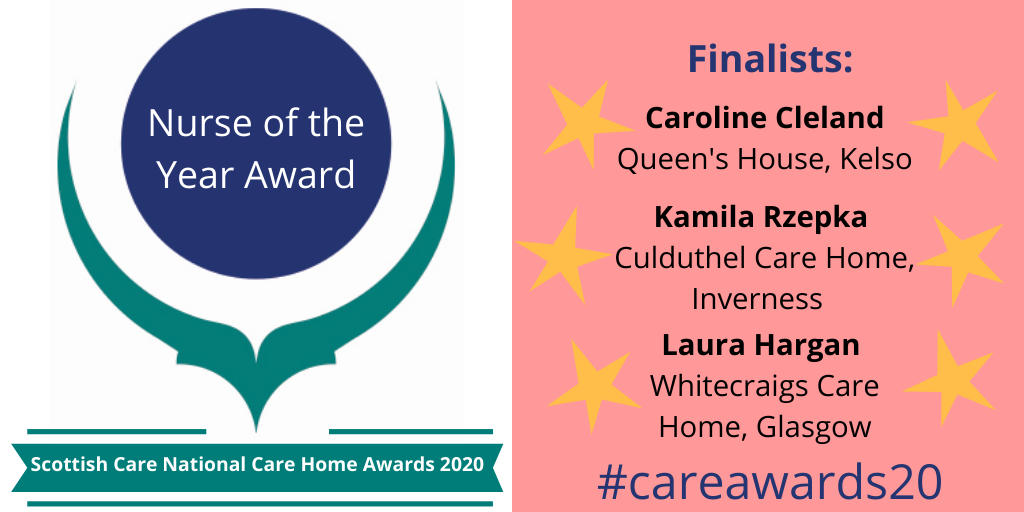
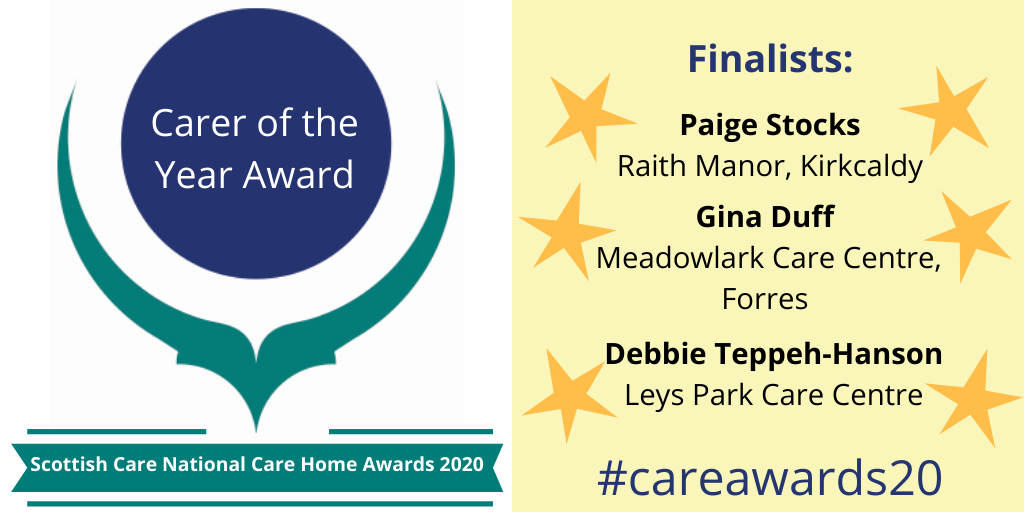
We are delighted to announce the finalists for the Care Home Awards. Thank you to everyone who entered and congratulations to everyone who were shortlisted.
The Care Home Awards were due to take place virtually on the evening of Friday 22 January 2021. However, due to current restrictions, we are unable to undergo filming for this. Therefore we have decided to postpone the awards until it is legally possible for us to start filming the ceremony. We hope to proceed with this in Spring 2021.
We want this event to be a special occasion and for it to be a true reflection of all the hard work from the care home sector this year. We hope that you understand and we will let you know the new date for the Care Home Awards as soon as we can.





Terms & Conditions
Website Design by Creo Design part of the Solutions On Demand Group 2022. All rights reserved