Holding liberty and safety in one hand: adult protection and human rights

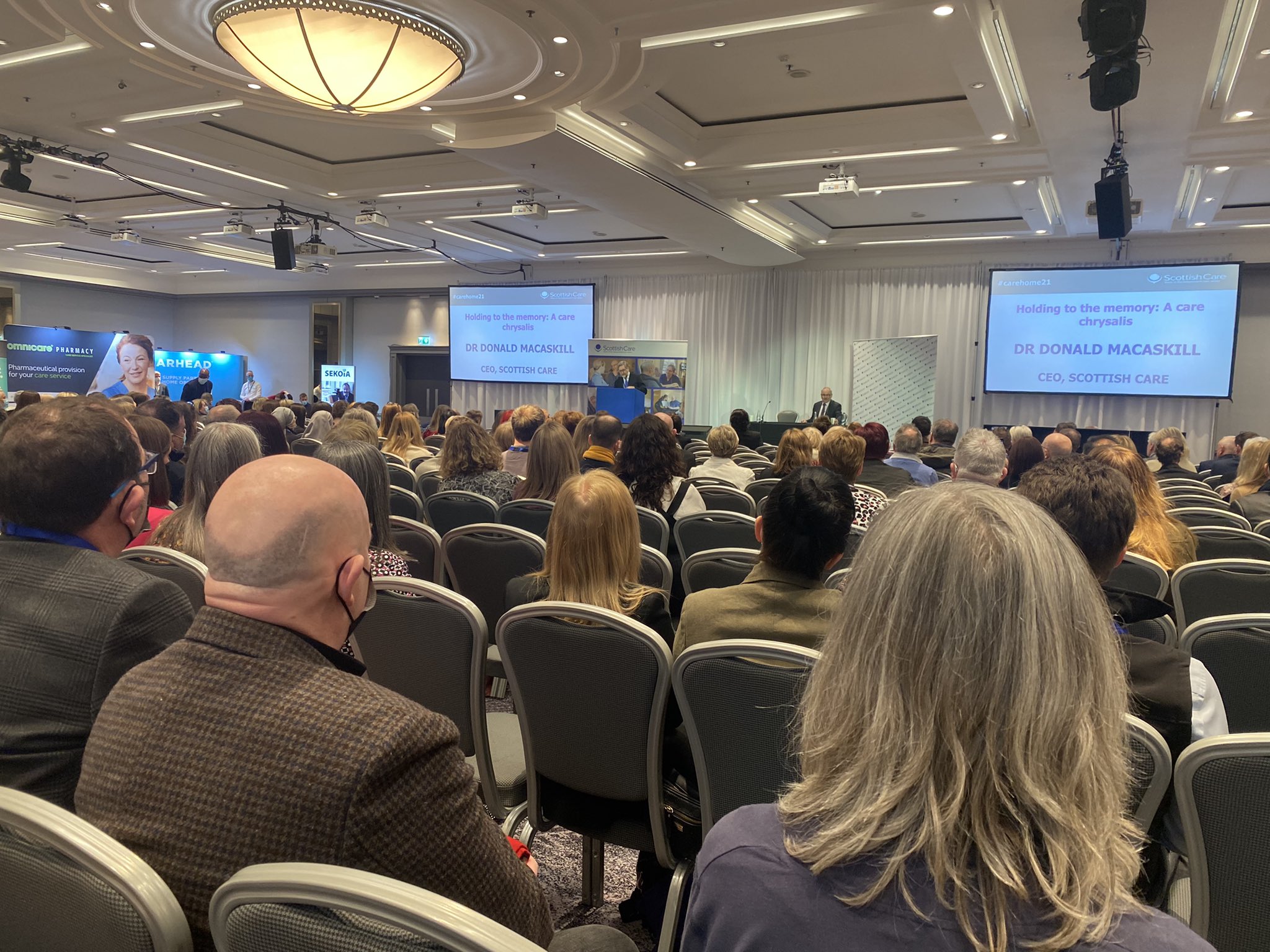
The following is based on a talk given to the Adult Support and Protection in Supported Settings conference (ASPIRE) a couple of weeks ago.

 Every morning, somewhere in Scotland, a hand is held out.

It may be on a tenement stairwell where the paint is peeling and the light is poor. It may be at a cottage door, wind pressing against the frame. It may be across a kitchen table where the kettle has boiled twice already, because the conversation has taken longer than expected. That hand belongs to a social worker, a district nurse, a support worker, a care professional of one kind or another.

It is not a hand extended to seize control.
It is a hand offered to steady.
To accompany.
To share risk.

This is where adult protection truly lives. Not first in statute or guidance, important though these are, but in these ordinary, human moments where voice and safety pull against one another, and where the task is not to choose between them, but to hold them together.

The tension we live with

Much of our public language still frames safeguarding as a contest: autonomy on one side, protection on the other. We talk as though we must sacrifice one to secure the other. Yet anyone who has practised in adult protection knows that this framing is false.

Safety achieved at the cost of voice is not safety. It is containment.
Autonomy asserted without regard to real harm is not freedom. It is abandonment.

The real work, the hard work, takes place in the space between.

It is there, in that narrow, uncomfortable space, that practitioners reason, hesitate, listen again, and sometimes carry the weight of decisions that will never feel entirely clean. This is not technical work alone. It is moral labour, undertaken daily and often invisibly.

Scotland’s adult protection framework is, in international terms, strong. The Adult Support and Protection (Scotland) Act 2007, the Adults with Incapacity (Scotland) Act 2000, and the Mental Health (Care and Treatment) (Scotland) Act 2003 all encode a careful balance. They do not invite us to trade liberty for safety. They require us to secure safety through autonomy, participation and proportionality.

The principles are clear: benefit, least restriction, respect for wishes, supported decision‑making, review. PANEL- Participation, Accountability, Non‑discrimination, Empowerment and Legality- sits as a human rights model beneath this as a deceptively simple but profoundly demanding lens.

Yet law, on its own, does not do the work for us. It gives us scaffolding, not shelter.

Recent joint inspections of adult support and protection across Scotland have been honest about this. Multi‑agency working has improved. Commitment is evident. But variability remains, particularly in chronologies, in risk formulation, and in how consistently lived experience is captured and used to shape decisions. Where voice is poorly recorded, it is too easily overridden. Where proportionality is not clearly reasoned, restriction can quietly become routine rather than exceptional.

This is not about blaming practice. It is about recognising that rights‑based safeguarding requires constant attention. It is never finished. It must be renewed in every assessment, every case conference, every supervision conversation.

The quiet danger of urgency

One of the greatest threats to rights‑based practice is urgency.

Fear presses. Risk escalates. Time feels short. And in those moments, the temptation is to act quickly; to “do something” even if what is done narrows a life more than is truly necessary.

International human rights research repeatedly shows that when decision‑making collapses into speed alone, proportionality suffers. The most effective safeguard against unnecessary restriction is not abstract balancing, but disciplined insistence on the question: Is there a less restrictive way? Where that question is taken seriously, rights are more robustly protected and outcomes improve.

This is why proportionality is not a bureaucratic hurdle. It is an ethical brake.

To pause is not to neglect risk.
To slow down is not to be naïve.
Often, it is the most protective act available.

Beyond Scotland, the same tensions are being named with increasing clarity.

In 2024, the UN Independent Expert on the human rights of older persons, Claudia Mahler, published a major report on legal capacity and informed consent. It describes a global pattern in which consent in later life becomes procedural rather than meaningful; a nod, a signature, an acquiescence shaped by fatigue, pain or power imbalance. Capacity, too often, is assumed to be lost rather than actively supported.

The Expert’s message is disarmingly simple: presume capacity; support communication; treat consent as a process, not an event.

This resonates deeply with everyday practice. The unhurried cup of tea before the difficult conversation. The hearing aid battery replaced. The quieter room. The advocate who waits in silence until the person finds their words. These are not soft extras. They are the practical means by which autonomy is made real.

At the same time, something historic is unfolding. In April 2025, after fourteen years of evidence‑gathering and advocacy, the UN Human Rights Council established an intergovernmental working group to draft a legally binding convention on the rights of older persons. The conclusion was stark: existing international protections leave older people exposed to discrimination, abuse and the erosion of voice, particularly in health and care settings.

This is more than diplomacy. It is a signal, to governments, to inspectors, to practitioners, that age must never be treated as a proxy for incapacity, and that protection must never be used as cover for exclusion.

Even before a convention is finalised, its normative pull matters. Expectations shift. Scrutiny sharpens. What once passed unquestioned will increasingly require justification.

Most restrictions of liberty do not arrive dramatically. They arrive softly.

“She’s 89—she won’t manage.”
“He’d be safer if we just…”
“At her age, is it really worth…?”

Ageism rarely announces itself. It seeps into thresholds, hastens moves, narrows imagined futures. The UN’s work on older persons’ rights is explicit that these assumptions are not benign. They are discriminatory, and they materially increase the risk of harm rather than reduce it.

Safeguarding done badly shrinks a life.
Safeguarding done well creates the conditions in which life can still be lived.

The emotional cost of holding the balance

What is often missing from our systems is acknowledgement of the emotional labour involved in holding liberty and safety together.

To protect without overpowering.
To respect choice while living with uncertainty.
To know that whatever decision is taken, it will leave a residue.

This work demands professional courage. It asks practitioners to tolerate ambiguity, to justify restraint when necessary, and to step back when fear would rather tighten the grip. It also asks organisations and leaders to create cultures where thoughtfulness is protected, not penalised.

Holding the hand, not tightening the grip

What does this mean, practically, for adult protection?

It means treating advocacy as a default where decisions carry significant restriction, not as an optional add‑on.
It means writing chronologies that tell a causal story, not merely a timeline.
It means recording capacity as specific, supported and time‑bound, never as a fixed label.
It means making PANEL the structure of our conversations, not just our paperwork.

Above all, it means remaining present, especially when fear is loud.

In the end, adult protection is not about the subtraction of freedom. It is about companionship in risk. About walking with someone far enough that they remain themselves, and close enough that harm does not have the final word.

To hold liberty and safety in one hand is not easy. But it is the work.

And every morning, across Scotland, it is being done, quietly, imperfectly, thoughtfully, and with courage.


Donald Macaskill


Photo by Nathan Dumlao on Unsplash

Abercorn Valentine’s Day

Abercorn House Care Home have been busy on Valentine’s Day with various events.

Valentine’s Day Lunch Date

Abercorn House celebrated Valentine’s Day with a special lunch date for residents and their loved ones. The dining room was decorated with hearts and soft music, creating a cosy, romantic atmosphere. Families enjoyed a lovely meal together, sharing stories, laughter, and quality time. It was a heartfelt afternoon that brought everyone closer and made the day truly memorable.

Valentine’s Day Theme Photoshoot

Abercorn House hosted a charming Valentine’s Day themed photoshoot, giving residents and their loved ones a chance to capture special moments together. With soft décor, heart‑themed backdrops, and plenty of smiles, families enjoyed a fun and heartfelt experience. The photoshoot created beautiful keepsakes and a lovely way to celebrate love in all its forms.

Valentine’s Day Party (Entertainment)

Abercorn House was filled with love and music this Valentine’s Day as a talented singer entertained residents and their loved ones. With classic love songs and gentle melodies, the performance created a joyful, relaxed atmosphere. Residents sang along, shared smiles, and enjoyed a beautiful afternoon of music and togetherness.

In additional, all residents and staff received a rose for Valentine’s Day.

Care Tech Unplugged 2

Tuesday 21 April, 10:00–16:00 
The Social Hub, 15 Candleriggs, Glasgow G1 1TQ
Places: 30 available (curated group)
Link to register: https://luma.com/z63rkwuu  

A space to step away and explore what it actually takes for change to stick – not just to pilot or inspire, but to embed and endure. 

About the event 

Big challenges in care need fresh perspectives. But they also need something harder to find: an understanding of what it takes for change to endure in complex, real-world systems.   

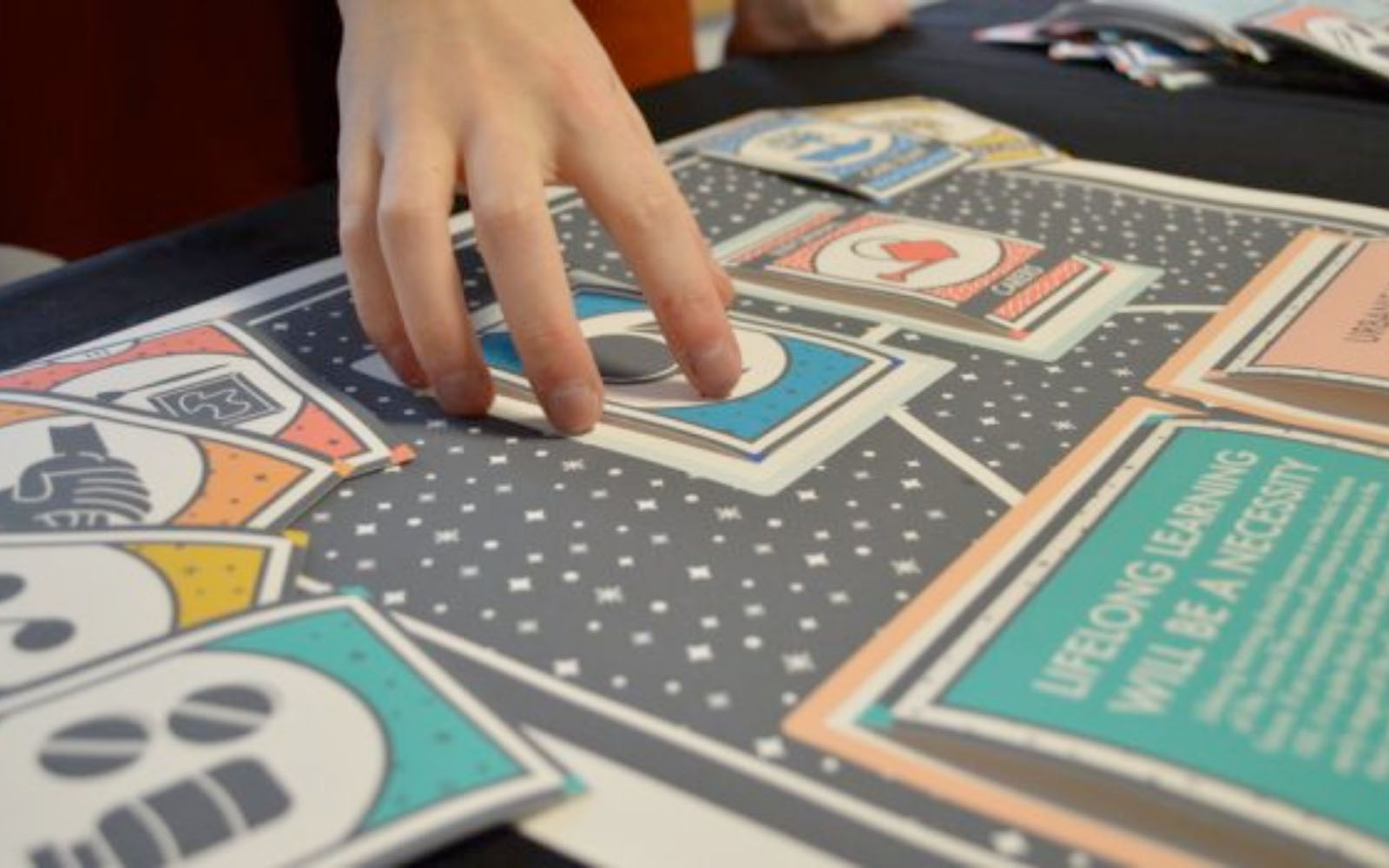
Care Tech Unplugged 2 brings together a small group for a different kind of experience. Facilitated by the Glasgow School of Art, we’ll spend an immersive day exploring what actually makes change stick – the systems thinking, the human dimensions, the practical steps that turn pilots into embedded, sustainable work.   

Dr Amal Al Sayegh, Consultant Psychiatrist at NHS Lothian and QI Lead for Psychiatry in West Lothian, will ground our conversation in real-world system dynamics. She works every day within complex, high-pressure environments. Her insights will help us see where change is possible and what it takes to sustain it. 

Who should attend? 

If you’re working on implementation, wrestling with how to embed change, or trying to sustain something you’ve started – this is for you.  We’re curating a balance of voices: operational, strategic, and policy perspectives from across social care, housing, health, and related sectors. We’re keen to hear voices from across teams and roles. 

What you’ll take away 

You’ll be encouraged to think differently, and rediscover play as a route to serious work. You’ll come away with: 

  • Fresh ideas and new perspectives on what it takes to embed change 
  • New connections with people working across the sector  
  • A deeper understanding of systems thinking and your role within it 

Practicalities 

Date: 21 April 2026, 10:00–16:00 (arrivals from 09:30)
Location: The Social Hub, 15 Candleriggs, Glasgow G1 1TQ
Places: 30 available (curated group)
Food: Lunch and refreshments provided (dietary requirements accommodated)
Accessibility: The venue is accessible and has quiet spaces if you need to step out for a call. Please let us know if you need any support. 

To register 

Register your interest: https://luma.com/z63rkwuu  

Surveys on New Scots’ experiences in the Adult Social Care workforce

We are sharing the following request to support important work aimed at better understanding the experiences of New Scots (migrant workers, asylum seekers and refugees) within the Adult Social Care (ASC) workforce in Scotland.

Two surveys have been developed to capture:

  • The experiences of New Scots working in adult social care
  • The perspectives of employers and organisations within the ASC sector

The insights gathered will help inform future projects and resources designed to better support both New Scots and employers across Scotland’s adult social care sector.

We would be grateful if members could:

  • Complete the employer survey, and
  • Share the employee survey with relevant staff members, where appropriate

The aim is to reach as widely as possible to ensure the findings reflect the diversity of experiences across the sector.

The employer survey link: https://forms.office.com/Pages/ResponsePage.aspx?id=veDvEDCgykuAnLXmdF5JmnnropzDuUdDud-3iqcQprBUNk1PUEVFRU9CNktMQlUxNzRESUxZOFNBVyQlQCN0PWcu

The employee survey link: https://forms.office.com/Pages/ResponsePage.aspx?id=veDvEDCgykuAnLXmdF5JmnnropzDuUdDud-3iqcQprBUN1hWOE1TN0lGMlIyRDZRQkxPOU9aWlRPUiQlQCN0PWcu

Highgate Care Home – Pancake Day Fun

Highgate Care Home flips for fun with Pancake Day celebration

Residents and colleagues at Highgate Care Home in Uddingston, Glasgow, celebrated Pancake Day with a joyful afternoon of flipping, stacking and tasting delicious pancakes.

The celebration saw residents and staff take it in turns to flip pancakes, filling the room with laughter and friendly competition as everyone tried their hand at the traditional Shrove Tuesday activity.

After the flipping fun, residents were invited to create their own bespoke pancake stacks, choosing from a wide range of toppings including a selection of sauces, fruit, marshmallows, whipped cream and chocolate chips. The creative combinations resulted in some truly marvellous pancake creations, which residents then enjoyed together.

The event provided a fun and engaging way for residents to socialise, reminisce and enjoy a favourite British tradition. Activities like this are part of Highgate Care Home’s commitment to promoting wellbeing, independence and meaningful experiences for residents.

Laura Turnbull, Home Manager at Highgate Care Home said:

“It was wonderful to see everyone getting involved, laughing and enjoying the day. Pancake Day is a simple tradition, but it brings people together and creates special moments for our residents.”

Highgate Care Home regularly hosts themed events and activities to ensure residents can continue to celebrate seasonal occasions and enjoy fulfilling social experiences.

Highgate is also currently promoting an introductory offer for new residents, with four weeks for the price of three, providing families with an opportunity to experience the home’s high-quality care and vibrant activities programme.

Abercorn January Birthday Celebrants

Abercorn House Care Home always ask residents how they’d like to celebrate their special day, especially when it comes to favourite foods and their amazing team is more than happy to make it happen. It’s all about making each birthday personal, meaningful, and full of joy

Here’s how Abercorn’s January stars chose to celebrate:

🎈 10th January – Thomas Milligan enjoyed a classic favourite, Fish & Chips

🎈 16th January – Irene Tullis treated herself to Ice Cream

🎈 16th January – Marie Resning celebrated with a lovely Cake

🎈 20th January – Hugh Gilluley also chose Fish & Chips

🎈21st January – Alexandrina Ritchie enjoyed a delicious Chinese meal

🎈22nd January – Stephen Bow tucked into Steak (Sirloin) and Mash

Each celebration was filled with warmth, laughter, and that special feeling of being truly listened to and cared for. Birthdays may come once a year, but making our residents feel valued and happy is something Abercorn’s team do every day.

Abercorn’s Rave Party

Abercorn Care Home truly lit up as residents, families, friends and staff came together for Abercorn’s Rave Party (The Original), a night bursting with colour, music, and pure happiness.

From the moment the lights went on and the music dropped, the atmosphere was electric. Residents, families, friends, and staff came together as one big crowd, dressed in bright colours, waving glow sticks, clapping along, and dancing in ways that felt just right for them. Some danced, some sang, some simply sat back and soaked in the joy.

A huge highlight of the evening was Mary Frame and her son Ian, who absolutely stole the show as DJ Frame.  Ian kept the beats flowing while Mary cheered him on with pride, creating a beautiful family moment that made the night even more special. The music sparked memories, laughter, and plenty of feet tapping and the dance floor stayed busy all evening.

Adding to the fun, residents were even given their own novelty “fake ID cards”, which sparked plenty of laughter.

There were smiles everywhere, colourful outfits shining under the lights, and a wonderful sense of freedom and fun in the room. Moments like these remind us that age doesn’t limit joy, music, or celebration, it only adds more meaning.

Westwood Rave Night

Back in February, residents and staff at Westwood House Care Home enjoyed an unforgettable rave night, transforming the home into a vibrant dancefloor filled with music, laughter and glowing smiles.

With the lights dimmed low and everyone’s spirits soaring high, the energy was contagious from the moment the music started. Residents showed off their best moves, singing along to classic hits and enjoying a fantastic selection of cocktails that kept the party going strong.

The night was made extra special by the brilliant DJ who kept the beats pumping throughout the evening. A special shout out to Christina, who surprised everyone by taking over the DJ booth with confidence and flair – she was an absolute natural!

As the music wound down, residents and staff came together to enjoy a delicious buffet, sharing stories, laughter and memories while glow sticks twinkled and the disco ball cast its sparkle across the room. The joy of the evening lingered long after the last song, with one resident already asking when the next rave night would be held.

More than just a party, the event was a celebration of community, connection and living in the moment. A reminder of the importance of fun, friendship and shared experiences at Westwood House.

Love & Learning Across Generations at Westwood House

Westwood House Care Home has recently begun a new and meaningful community link with Duncanrig Secondary School, bringing residents and young people together to share stories, experiences and life lessons.

As part of the visit, resident ambassador Dan spoke movingly to pupils about his life journey – from being evacuated to Canada as a young boy, to discovering his love of teaching, and spending 71 years with his wife Marion, who also lived at Westwood House. His reflections on love, resilience and lifelong partnership captured everyone’s attention.

The students were fully engaged, asking thoughtful questions about Dan’s experiences of travel, career choices, national service and the most important lessons he has learned along the way. The exchange highlighted just how much different generations can learn from one another when given the opportunity to connect.

Staff and pupils alike described the visit as special, with plans already in place for residents to visit the school in the near future to continue building this intergenerational relationship.

Moments like these reflect Westwood House’s commitment to community connection, shared learning and creating opportunities for residents to feel valued, heard and inspired -while offering young people a chance to gain insight from lived experience and timeless stories.

Media Release: Scottish Care Calls for Transparency, Sustainability and Fairness in Social Care Funding

Scottish Care Calls for Transparency, Sustainability and Fairness in Social Care Funding

Scottish Care today confirmed that it has written to all care home members seeking permission to obtain formal legal advice regarding the processes and implications of any potential withdrawal from the National Care Home Contract (NCHC). This step follows years of increasingly challenging negotiations and deep and unresolved concerns about the Cost of Care Model used to determine annual fee rates.

We have been clear with our members and partners: this is not a decision to leave the NCHC, nor is it a commitment to any specific course of action. It is a necessary, prudent and transparent step to ensure that our sector fully understands its legal position in a landscape of growing financial instability.

Our correspondence to members reflects the seriousness of the moment. Offers made in recent negotiations fall far short of what is needed to maintain safe, rights‑based and sustainable care for older people across Scotland. Providers are facing unprecedented pressures: rising workforce costs, escalating operational expenditure, and the increasing fragility of local commissioning arrangements.

Last week’s Accounts Commission report, highlighting the acute financial strain across local authorities, further reinforces the scale of the challenge. At the same time, COSLA’s call for an additional £750 million simply to stabilise local services demonstrates the depth of the crisis and the impossibility of continuing to deliver complex, skilled social care within a funding system that is no longer fit for purpose.

Scottish Care believes that the people who live in care homes, their families, and the workforce who support them deserve honesty and urgency from all partners. The current settlement model is failing to reflect the real cost of delivering high‑quality, person‑led care. Without decisive national intervention, there is a real risk of further provider withdrawals, service reductions, and diminished choice for older citizens.

Our request to members is therefore part of a responsible and proportionate process. It aims to ensure that Scottish Care, on behalf of the largest group of independent sector providers in the country, is able to explore every available option to protect the sustainability of vital care services.

We remain committed to constructive partnership working with COSLA, the Scottish Government and all system leaders. But collaboration must be matched by realism. Scotland cannot continue to rely on a social care sector that is expected to absorb risk without adequate resource, flexibility, or respect for the professional care workforce.

Scottish Care will inform members of the outcome of the vote and any subsequent legal advice as soon as this is available. In the meantime, we reiterate our call for urgent, fair and evidence‑based action to secure the future of social care in Scotland.

-ENDS-