Social care carries people: it is high time it was supported.

The following is based on an opening address given a couple of weeks ago at the Westminster Policy Conference.

We meet in autumn. The air is a lot sharper. The green has given away to the gold. We are between the light and the dark, between summer and winter.

And that is exactly where social care in Scotland is today – in-between. Between aspiration and exhaustion. Between rhetoric and reality. Between what is, and what could be.

So, I want to begin not with statistics, nor even with strategy, but with a story.

A few weeks ago, I sat with a woman in the northwest of Scotland. She is 87. She told me, with tears in her eyes, that her greatest wish is to remain in her croft – the home where her children grew up, where her husband died, where her garden still bursts with colour every spring and Highland summer. But she fears she will not be able to, because she cannot get the hours of support she needs.

Her words and her eyes have stayed with me: “I do not want to be a burden. I want to be myself. I want to live my life, not someone else’s.”

And in that single sentence lies the heart of social care in Scotland. It is not about structures, or even services. It is about life, dignity, being able to live as oneself.

Let’s be honest: the system is groaning under pressure. I hear daily from providers who tell me they do not know if they can last the year. I hear from staff who love their jobs but are leaving because love does not pay the mortgage.

I remember a care worker in Fife who said to me, “Donald, I have two jobs. I leave the care home after a 12-hour shift and go to clean offices, because otherwise I cannot keep up with my bills.”

What does it say about us as a nation when someone who does the most human, the most intimate of tasks – helping someone dress, helping them eat, holding their hand in the night when they are afraid – must then scrub toilets in order to survive?

These are not isolated stories. They are Scotland in 2025. I have this past week travelled top Aberdeen, Dundee, Edinburgh and Glasgow and I am hearing the same thing everywhere.

Providers tell me they may not survive. Half are financially insecure. Staff are weary; families are breaking.

Add to this the ending of the adult social care visa route in July. In Skye, in Barrhead, in Lanarkshire, managers have told me they rely on workers from the Philippines, from Ghana, from India – people who have become neighbours, friends, part of the fabric of our communities. Removing that route is like pulling out a thread from a tapestry – and the whole pattern begins to unravel.

And it is unravelling before our eyes. I spoke to a care home manager a couple of weeks ago who has 80% of her staff on international visas – and she is now beginning the process of having to tell too many of them that their visas will not be continued.

What is happening in that remote community? It’s not just the loss of a worker but the prospect of losing a care home in the midst of community; the prospect of the care workers’s children who’ve kept the local village school abundant in life having to leave and her husband too – yet again another skilled individual lost to a remote community.

And all the time decisions are made in distant detached realities deaf to the heartbeat of community in Scotland.

Realism tells us that social care is at breaking point.

But despite my virtual daily phone calls with somebody at the other end in tears at the collapsing of social care in Scotland – I hold onto hopeful realism, because alongside the exhaustion I also meet extraordinary resilience.

In a care home in Ayr, I saw a young care assistant sitting beside a man with dementia, singing quietly to him a tàladh – a Gaelic lullaby – the lullaby her grandmother used to sing. His agitation eased, his eyes softened. There was connection, comfort, love. Hope broke in.

That is the hope we must build upon.

When politicians speak of reform, they often use the language of systems and structures. They talk of Bills and frameworks, of services and silos. Of consultations and advisory boards.

And yes, those things matter. But reform is not simply about moving the pieces of the jigsaw. It is about painting a new picture altogether.

I remember a young man with a learning disability in Glasgow when I ran a project there a couple of decades ago. He told me he wanted to work with computers. Instead, he was offered a place at a day centre where he could do jigsaws. “It’s not that I don’t like jigsaws,” he said, “but I want to do more than pass time. I want to live a life.”

That, for me, is what reform must be about – moving from passing time to living life; moving from a maintenance approach to social care which keeps people as they are safe yet contained, a fulfilling our statutory duty approach – to enabling people to flourish and thrive not just exist; to empower people to be citizens so that they’re belonging interrupts and disrupts all our lives in a positive way.

Reform must not mean rearranging the furniture. It must mean a new way of living.

Reform means:

  • Rights lived, not rights listed. Not a human rights logo on a government website, but the daily reality of autonomy, dignity, participation. Not saying to someone that because it costs more to support you to be independent in your own home that you have no choice but to go into residential care.
  • Person-led, not person-fitted. Too many of our services still require people to fit into their shape. Real reform turns that on its head. Real reform enables us to have a creativity which redesigns the present structures and models of care support into what people increasingly demand, want and deserve but which they cannot get because it’s existence is budgeted out of possibility.
  • Co-production, not consultation. Sitting with people before the decision, not after. Let’s end the game of pretence which uses language like co-design to suggest participation – when the reality is a predetermined set of responses massaged into apparent engagement.
  • Fair work. And here I want to be blunt: we are failing the predominantly female workforce of social care. Eight out of ten are women, yet their pay lags behind, their careers are undervalued, their pensions insecure. This is gender injustice written into the fabric of our system. In a week where the latest data from SSSC the workforce regulator shows that 1 in 12 working Scots is in social care – this is a lamentable state of affairs.

Reform must not only be structural — it must be moral.

As the poet Hugh MacDiarmid once cried:

“Scotland small? Our multiform, our infinite Scotland small?”

In the same way, I ask: will our vision of care and support be small, mean, and miserly? A reform and change limited by an imprisonment of affordability and reality rather than aspiration and reimagining.

Or will our reform be infinite – rooted in rights, generous in scope, brave in ambition?

I have sat in more strategy rooms than I can count. I have seen policy papers crafted with elegant words. I have listened to Ministers make soaring speeches. And yet I have also seen how easily these things falter when they meet the ground.

Implementation is not glamorous. It is hard work. It is messy. It requires compromise.

A few months ago, a small provider told me: “we have survived not because of government but despite it. We’ve survived because local people care, because staff go the extra mile, because families muck in.”

That is both inspiring and damning. Inspiring because of the resilience of communities. Damning because we cannot build a system on heroic endurance. Heroism is not a policy. Endurance is not a strategy

Implementation is where aspiration meets accountancy.

We need implementation that is resourced, supported, and intentional.

Implementation requires:

  • Clarity of purpose – never losing sight of the why.
  • Proper funding – not dreams without legs.
  • Local flexibility – Shetland is not Glasgow and must not be treated as such.
  • Leadership at every level – not just in Holyrood but in homes, communities, and among people who use services themselves.

Every act of care, every local innovation, every moment of dignity matters – but only if the system enables them.

Let me put it in five imperatives:

  1. Rights into reality. Every commissioning decision must be tested against human rights.
  2. Workforce justice. Pay parity, pensions, progression. Without staff, there is no system.
  3. Real co-production. Stop tokenism. Share power.
  4. Rebalancing spend. Move money from crisis health treatment into preventative care and community support. A billion shifted from the NHS budget is not theft – it is investment in sustainability.
  5. Changing the story. We must stop talking of social care as a cost. It is not a burden – it is a blessing, an asset, the foundation of citizenship.

I want to finish as I started with a story.

I was in a care home earlier this year. An elderly gentleman with advanced dementia was nearing the end of his life. His daughter sat by his bedside, holding his hand. She said to me quietly, “I know my father does not know me now. But I know him. And that is enough. What I need is the time, the space, and the support to sit with him, to be with him, to say goodbye well.”

That is what social care gives us – the possibility of a good life, and the possibility of a good death.

Or, as the Gaelic proverb has it: “Is e cairt nan daoine an saoghal” – “The world is carried on people.” Social care is that carrying.

Hopeful realism tells us that our system is near collapse – but also that collapse is not inevitable. If we choose differently, if we invest, if we reform, if we implement with urgency and with humanity, then we can still build a Scotland where every daughter can sit with her father without fear, where every older woman can stay in her home, where every young man with a disability can live the life he dreams of.

That is the Scotland I believe in. That is the Scotland we must fight for together.

But all that aspiration requires political leadership that does not just use words to hide inaction but governs with urgency and with focus. We are distinctly lacking such. After a summer of relative inactivity on the part of Scottish Government in the face of a social care crisis we are now into an autumn of silent inaction, where women and men are dying waiting for care as assessments now take months, as care home beds are cut and as care at home packages are being reduced and removed.

Social care does indeed carry people, but it urgently needs political and societal leadership to share the burden rather than walk away. And the need is urgent.

Donald Macaskill
Ready for Regulation: Equipping Today’s Care Workforce – 29 Oct 2025

Invitation to Join a Scottish Care and Care Inspectorate joint Event

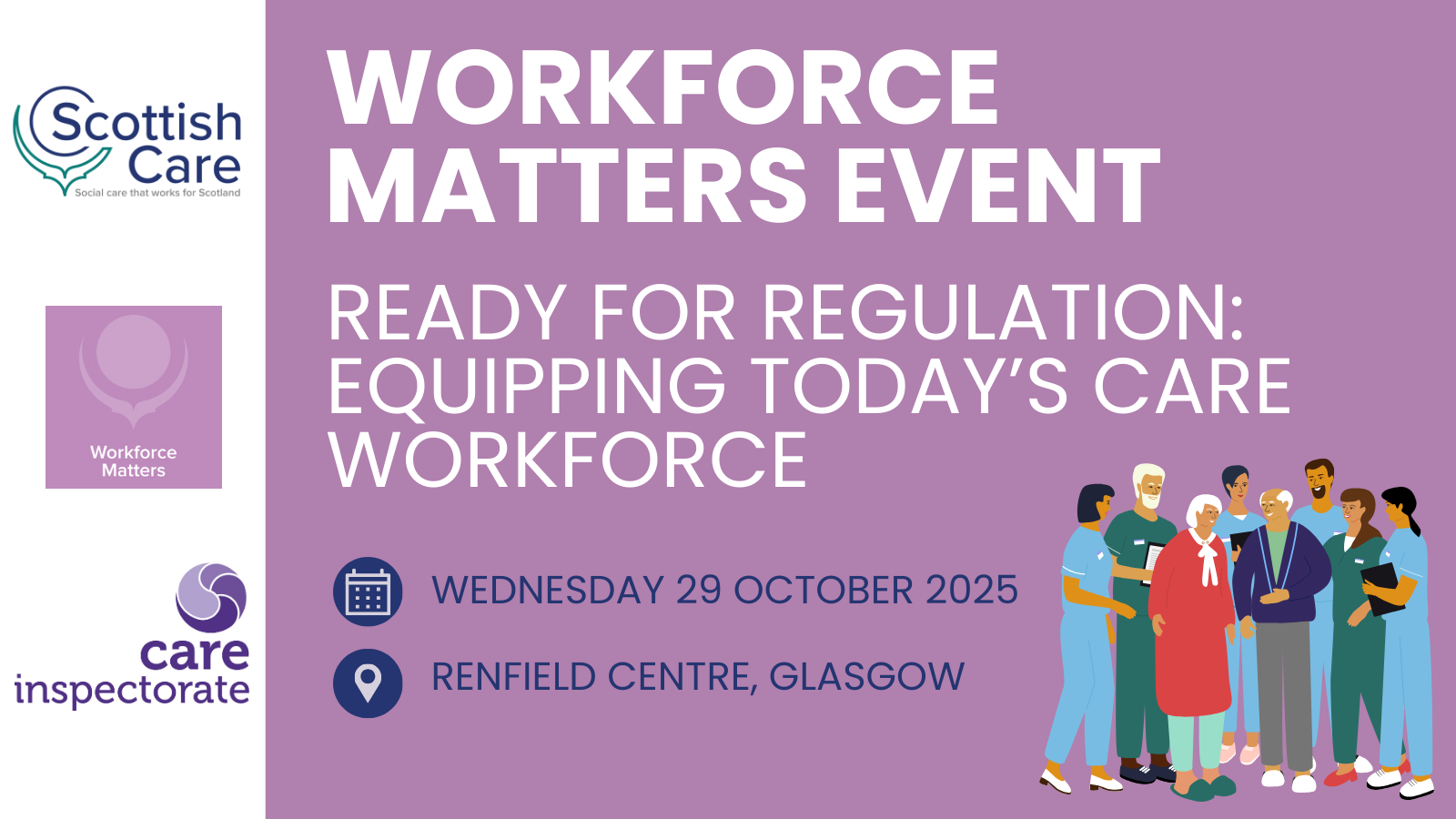
Ready for Regulation: Equipping Today’s Care Workforce

🗓️Wednesday 29th October 2025
🕤 9:30am – 3:30pm
📍 Renfield Centre, 260 Bath Street, Glasgow

Social care regulation through inspection activity is important to support care providers and the ongoing improvement of care services in Scotland.  Current sector challenges and pressures have increased the need for collaborative working between care organisations and the Care Inspectorate.  This is to ensure important standards of care are maintained whilst appropriately supporting an overstretched workforce.

Scottish Care’s Workforce Matters is delighted to invite you to a one-day event bringing together social care providers, regulators, and workforce leaders to explore how regulation is shaping – and will continue to shape – the future of the social care workforce in Scotland.

This event offers a valuable opportunity to:

  • Gain insight into current and emerging Care Inspectorate regulatory approaches
  • Explore self-evaluation as a driver for service improvement
  • Hear directly from the social care workforce and contribute to a discussion around the provider experience of inspection
  • Engage with the Care Inspectorate on future regulation, workforce trends, and safe staffing obligations
  • Participate in interactive sessions and a panel discussion with Scottish Care members

Please note: While this is a free event, cancellations must be made by 22 October. Non-attendance without notice or late cancellations will incur a £25 fee to cover catering costs.

Download the programme here

Book your place here

Ready for Regulation Programme V1 (1)

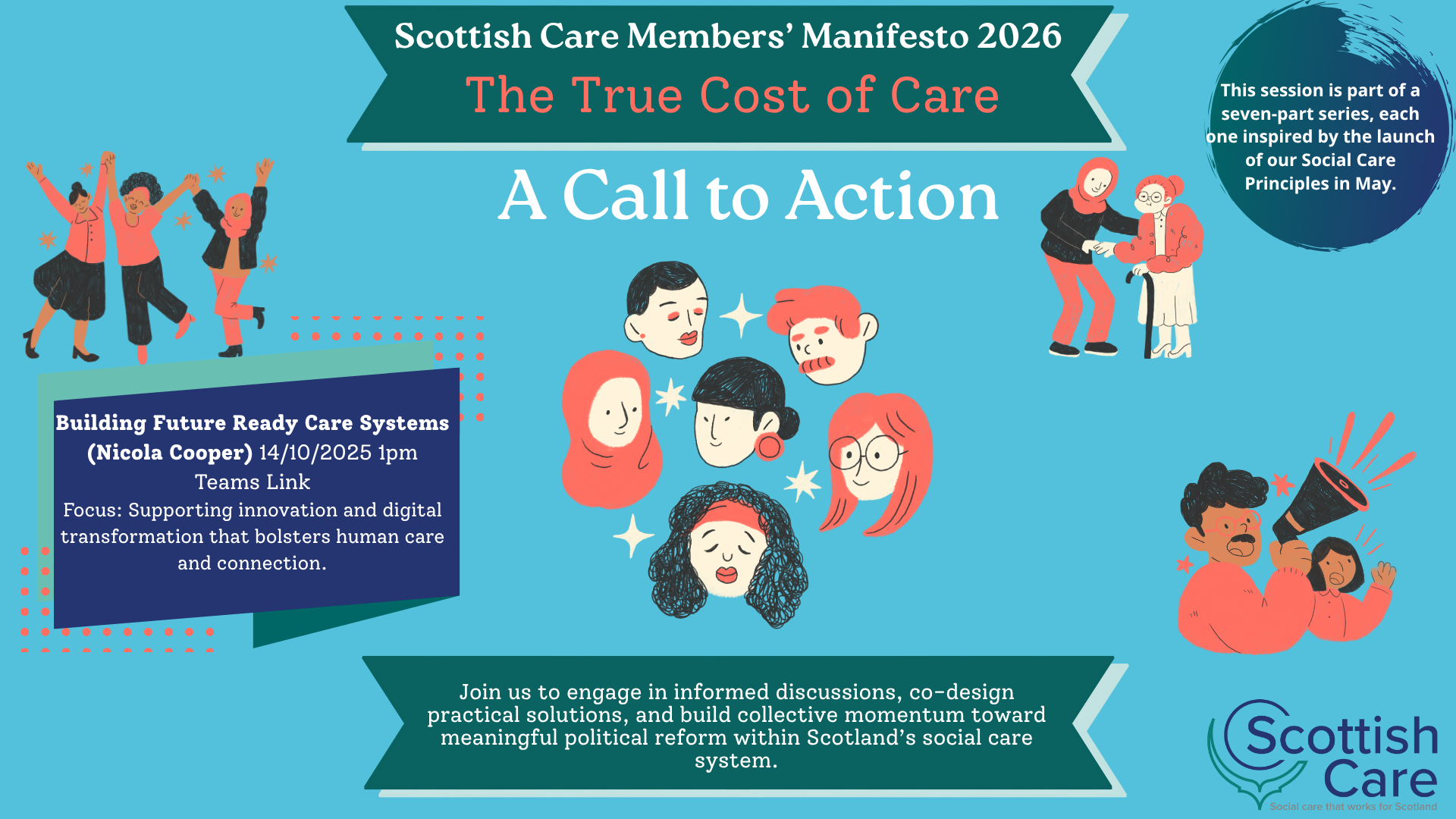
Manifesto 2025 Session 5: Building Future Ready Care Systems

Scottish Care Members’ Manifesto 2026 – A Call to Action

Session 5: Building Future Ready Care Systems

Tuesday 14 October 2025, 1:00 pm

This fifth session in our seven-part series continues the momentum of the Scottish Care Members Manifesto: The True Cost of Care – A Call to Action.

We’ll focus on co-designing two key asks from Scotland’s social care services, advocating for:

  • Resilient, tech-enabled care systems that anticipate future challenges
  • Technology that enhances human connection and compassionate care

This session is an opportunity to shape the future of care by championing innovation, equity, and efficiency in how social care is delivered across Scotland.

Open to all Scottish Care members, please register via the Members Area of this website.

A place to belong: a reflection for World Older People’s Day

Wednesday coming is the 1st October, which as every year, is World Older People’s Day. In the UK, the theme adopted for the day by Ageing Better is “Building Belonging: Celebrating the power of our social connections.”

There are words that echo with more weight as we age. Belonging is one of them. It is not a policy slogan, nor a sentiment to be spoken and forgotten. It is the pulse of being human. Without belonging, life feels diminished. With belonging, even in frailty or change, life can feel whole.

As people grow older, the stories told about them often shrink: into narratives like dependency, frailty, passivity. But the truth is far richer. Older people are key actors in families, communities, economies. They carry wisdom, networks, memories, relationships. They also harbour aspirations: to contribute, to be healthy, to be seen, to be part of the shape of tomorrow.

Belonging is not a soft value; it is essential to well-being. Where older people are socially isolated, health deteriorates faster, mental health suffers, mobility is lost. By contrast, connections – whether through volunteering, intergenerational activity, friendships, or just community life – reinforce identity, resilience, and purpose.

I have over the years written about and reflected an awful lot upon belonging and it seems as good a time as any to try to gather some of those disparate observations together in one place and to focus on the different elements which underline the importance of belonging for us all but perhaps especially as we age.

I’ve previously said that:

“Home is where you feel you truly ‘belong’. It is a belonging which is beyond bricks and mortar, wood and stone. It is belonging to a place where you can be yourself, where you can be recognised and loved, where you can rest and be.”

For many older people, that home is the house they have lived in for decades, the street where their neighbours know their name. That rootedness to place and space is why the giving up of that home for any reason is such an emotional strain and wrench for many. I think we underestimate the depth of grief people feel at the loss of familiarity when a place is lost to sight and touch.

But then when that happens – and when things go well – the care home becomes a place to belong; a place reshaped into familiarity through memory and relationship. Home, wherever it is, is less about walls than about recognition.

But there are other dimensions to belonging. Belonging is not only what we receive. It is also what we owe.

“Belonging is not just about where I feel safe, or where I am comfortable. It is also about what I owe to others and what they owe to me. Belonging demands compassionate action.”

This belonging is woven of mutuality. It is knowing that we are held, but also that we hold. Even in late age, perhaps especially then, the sense that we matter to others and they matter to us is sustaining.

To belong is not only to stand in the present moment. It is to carry with us the stitching of our story.

“Belonging is as much about memory as it is about the present. It is about continuity, about stitching the fragments of our story into a whole.”

The photograph of a wedding day, the remembered songs of childhood, the taste of a dish once shared with family long gone – these are not relics but anchors. In them, belonging persists even when place and circumstance change.

We often limit care and support and see it as a set of tasks –  feeding, washing, dressing – but belonging flourishes in the spaces between the tasks, in the moments when being and not doing reside.

“Belonging comes in the small gestures of recognition and the daily dance of relationship. It is the smile, the word remembered, the laugh shared, the touch that reassures.”

Belonging is created in the ordinary: the carer who notices your favourite cardigan, the neighbour who lingers for a story, the volunteer who brings not just a meal but companionship.

Belonging is also about being heard. Too often older people, especially those living with dementia or frailty, find their voices diminished by others speaking about them rather than with them. To belong is to have your preferences respected, your choices listened to, your story allowed to continue in your own words.

Belonging is not only about place but also about pace. In later life, belonging is affirmed when the rhythm of the day matches the rhythm of the person. When care hurries, belonging is lost; when there is time to linger, to share a cup of tea without rush, belonging deepens.

As bodies age and change, people sometimes feel estranged from themselves. Belonging is therefore also about reconciliation with the self – to feel at home in one’s own skin, even as it weakens. Gentle touch, movement, and respect for bodily dignity restore belonging to the self as much as to others.

As I’ve reflected already we often frame belonging in terms of memory and past, but belonging is also about still having a stake in tomorrow. For an older person to feel they belong is to know they are part of shaping what comes next-  in their family, their community, even in their society.

The Gaelic tradition deepens this sense. Dùthchas speaks of the inseparable belonging between people and the land. It is more than heritage; it is the conviction that you are of a place, not merely in it. For many older people in Scotland, dùthchas is the anchor that holds memory, identity, and dignity together.

Alongside it is cianalas –  that aching longing for home and kin, the yearning for belonging even when separated by distance or change. Cianalas reminds us that belonging stretches across absence, across generations, across the spaces of care. It is why even in a new room, miles from a birthplace, an older person carries their belonging within them –  in story, in song, in memory.

These Gaelic notions are not romantic relics; they are living truths. They teach us that belonging is layered: place, memory, relationship, voice, body, time, future, and spirit interwoven.

At its heart, profoundly so, belonging whispers the truth that is too easily lost in later years: you are still of worth. You are not surplus, not forgotten, not invisible. You are still part of the story, still part of the fabric, still one whose presence matters.

On this year’s Older People’s Day, belonging is the thread that binds memory, home, responsibility, relationship, voice, body, time, future, and worth. It is the story we tell together: of dùthchas that roots us, of cianalas that holds us, and of lives still rich with presence and possibility.

To end, a poem

Belonging

The hill remembers my step,

soft moss holds the echo of my name.

In the sea-salt air

I taste the prayers of those before me,

their breath woven with mine.


Belonging is not possession,

not walls, not stone, not door,

but the hearth that lights within the heart

when another calls you home.


It is the touch of a hand

that knows the story of your scars,

the laughter that lingers

like heather-scent on clothing,

the silence that rests between us

without demand or fear.


Belonging is the knowing

that even in the far room of frailty,

even in the chair by the window,

the self is not forgotten:

the river still flows,

the bird still calls,

the soul still knows its place.


Donald Macaskill


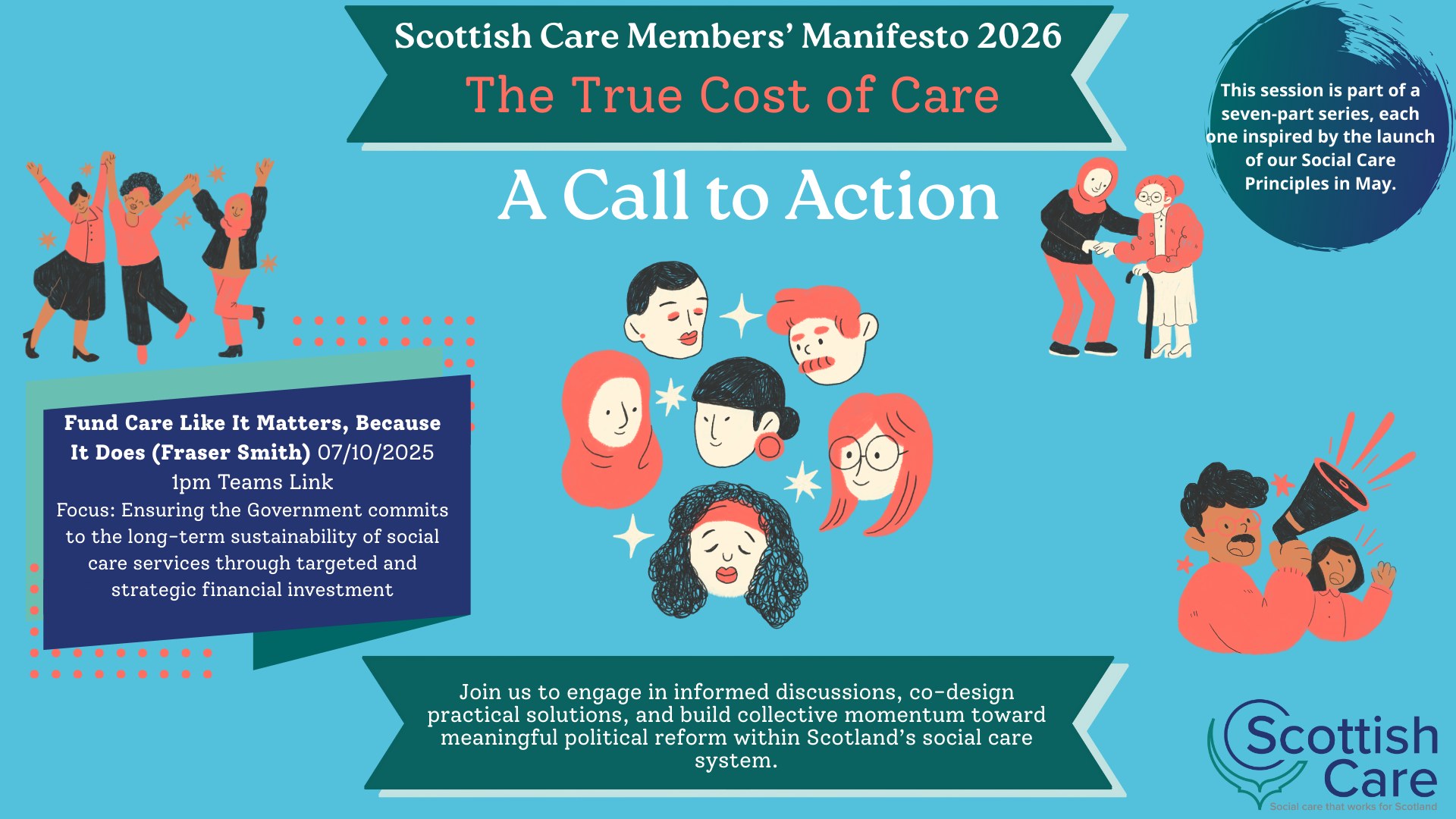
Manifesto 2025 Session 4: Fund Care Like It Matters, Because It Does

Scottish Care Members’ Manifesto 2026 – A Call to Action

Session 4: Fund Care Like It Matters, Because It Does

Tuesday 7 October 2025, 1:00 pm

This fourth session in our seven-part series continues the momentum of the Scottish Care Members Manifesto: The True Cost of Care – A Call to Action.

We’ll focus on co-designing two key asks that ensure Scotland’s social care services are:

  • Strategically funded for long-term sustainability
  • Resourced to deliver high-quality, person-led care

This session is an opportunity to shape the future of care by advocating for meaningful investment, financial fairness, and recognition of the true value of social care.

Open to all Scottish Care members, please register via the Members Area of this website.

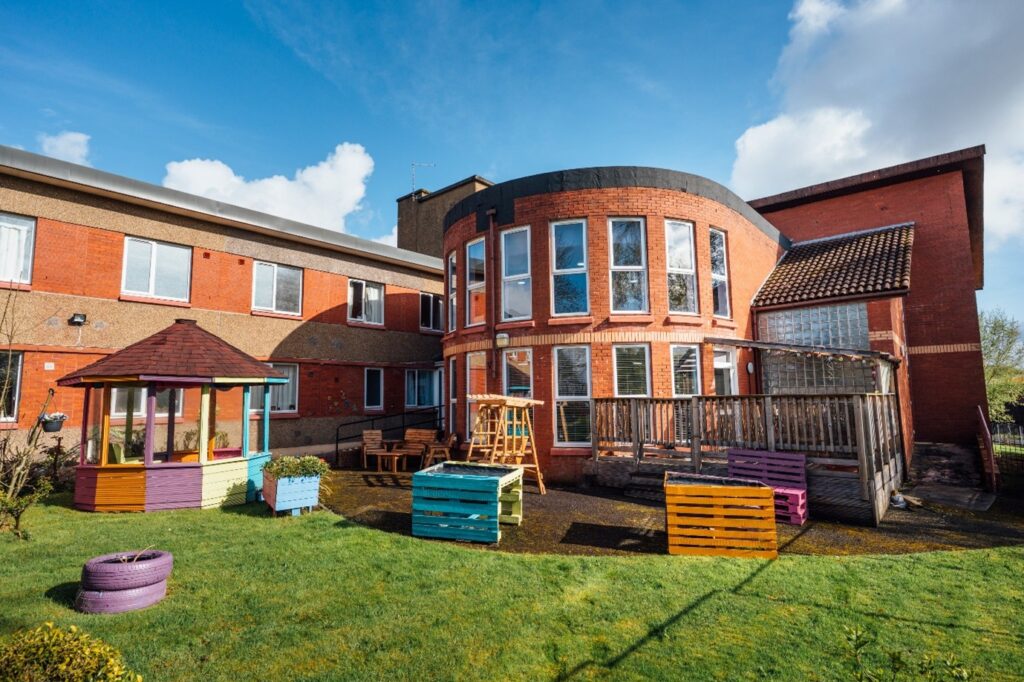
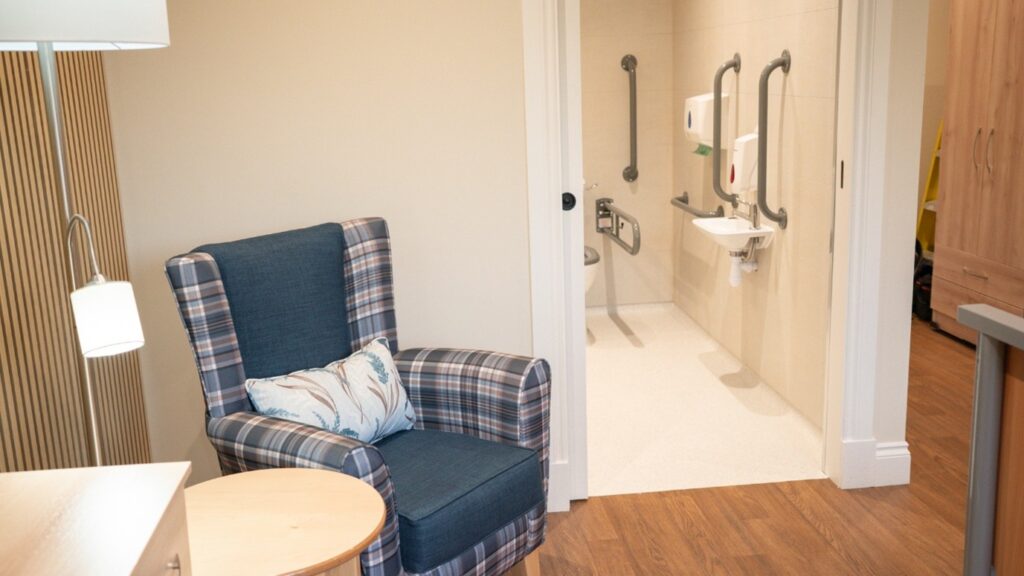
Silverburn Care Home Expands to Meet Complex Care Needs

At Scottish Care, we’re proud to share stories that reflect the heart of social care. Known for its commitment to quality care, Silverburn is now entering a new chapter that’s not just about improvement, but about transformation driven by people, please read more below:


Silverburn has always been known for the quality of its care. What makes this moment special is not just the scale of improvement but the way it has come about. This is not about investing in things that look good on the surface. It is about building, together, a stronger foundation for people, care and community.

This whole journey came to life because of the will of owners, colleagues, residents and families to come together and take the next steps for the home. The investment has always been about people first, ensuring staff feel supported, families feel reassured, and residents feel truly at home.

A Mission Shared by Many

Our mission is simple but powerful: to be a home where every moment matters, every memory is cherished, and every day brings joy.

Together with colleagues, residents and families, we shaped our values to bring this to life:

  • We make moments that matter, where every interaction brings comfort, connection and joy.
  • We adapt and support, ensuring that as needs change, we are always ready to be there.
  • We make care a shared journey, walking alongside those we support with kindness and understanding.
  • We strive for growth every day, always learning, improving and finding new ways to make life better.
  • We make Silverburn a home, a place of warmth, trust and belonging for everyone who walks through our doors.

This is more than words in a brochure. It shows how listening and working together creates a home that is renewed, but always true to what makes Silverburn special.

Listening and Acting

Silverburn has always valued feedback. Now, with our new Feedback Station, that commitment is easier than ever. Residents, families and visitors can share their thoughts at any time, and reports go straight to decision makers every week. That means compliments are celebrated, suggestions are acted on, and concerns are resolved quickly, often before someone leaves the building.

Care here is not static. It grows stronger because we listen.

A Happy Home

The changes at Silverburn are more than an investment in a building. They are an investment in people. They celebrate the dedication of care staff who give so much of themselves every day, and they create the conditions for residents to live not only safely, but happily.

Silverburn shows that when you put care first and invest where it matters most, you do more than improve a home. You create a home shaped by its community, a happy home for residents, for families, and for the people proud to work here.

Boiler Plate

Silverburn Care Home is dedicated to creating a happy home where every moment matters. Guided by our values of compassion, connection and growth, we provide personalised care that evolves with the needs of our residents and families. From our new Complex Care Suites to our investment in staff training and development, everything we do is shaped with the people who matter most – residents, families and care staff. Silverburn is a place where the voices of those who live and work here shape the kind of happy home it continues to be.

Concert at the Park Returns for 2025

Concert at the Park Returns with Powerful Stories and Innovations in Dementia Care

The spirit of collaboration and creativity was alive and well at this year’s Concert at the Park: Sharing Best Practice in Dementia Care, where 3 local care homes: Fairview House, Torry Nursing Home, and Lethen Park came together to celebrate the power of person-centred dementia care.

This annual event, first launched in the summer of 2019 by passionate care leaders Mel (Fairview House) and Nadine (Torry Nursing Home), was created to offer a fresh platform for care homes to share what truly works, not textbook theory, but real-life, impactful practices. After a pause during the COVID-19 pandemic, the event was reignited in 2024 and continued with renewed energy in 2025, bringing together staff, residents, and community members in a joyful celebration of progress and purpose.

Fairview House: Golden Steps and Nursery Project

Fairview House presented its Golden Steps initiative, a programme designed to restore mobility and dignity through movement. A standout story featured a resident who arrived bed-bound and, through dedicated support, now walks with a Zimmer frame and recently performed a ballet routine for fellow residents and staff. The transformation was not just physical, but emotional, inspiring everyone who witnessed it.

Fairview also highlighted its Nursery Project, which uses lifelike baby dolls to evoke nurturing instincts and emotional connection among residents in the Memory Lane unit. The presence of the dolls complete with a crib and gentle routines, has had a profound impact. Residents engage in comforting behaviours such as rocking, singing, and storytelling, which can reduce anxiety, spark long-held memories of parenthood, and promote a sense of calm and purpose. Staff have observed increased verbal communication, emotional warmth, and even improved sleep patterns following interactions with the dolls.

Torry Nursing Home: Sensory Room for Comfort and Stimulation

Torry Nursing Home showcased its Sensory Room, a peaceful retreat designed to soothe and stimulate residents through light, sound, scent, and touch. With fibre optic lighting, calming music, aromatherapy, and tactile objects, the room offers a multi-sensory experience that helps reduce anxiety and agitation. Residents often emerge from the space visibly more relaxed, with improved mood and focus making it a vital part of their holistic care approach.

Lethen Park: Garden Therapy in Full Bloom

Lethen Park shared the success of its Garden Project, where residents actively care for the garden, planting herbs, watering flowers, weeding, and enjoying the fresh air. The garden is more than a scenic escape; it’s a therapeutic space that encourages routine, independence, and social interaction. Residents find joy in nurturing the plants, reminiscing about past gardens, and simply sitting among the greenery. The sensory richness of the outdoors has been shown to reduce stress, improve sleep, and enhance overall wellbeing.

Concert at the Park continues to grow as a beacon of innovation and heart in dementia care. It’s a reminder that when care homes come together to share what truly works, lives are transformed—not just for residents, but for families, staff, and the wider community.

We would like to thank JM for the fantastic music performance and the Duthie Park management for the perfect venue for this event!

AI Technology Transforms Pain Management at Glencairn Care Home

Residents at a care home in Edinburgh are being given a new lease of life thanks to artificial intelligence (AI) technology that is helping to reduce their pain and increase mobility.

Jozi Stables – Manager, Glencairn home

Jozi Stables, manager of Renaissance Care’s Glencairn home, said the wellbeing of residents – and staff morale – had improved after a pilot scheme with an innovative app that assesses pain using facial recognition.

Glencairn is among Renaissance Care’s 18 homes in Scotland that have been using PainChek, an AI-powered app that uses a camera on an ordinary smartphone or tablet to scan faces for tiny changes called micro-expressions to detect pain.

Studies have shown that chronic pain is widespread among care home residents with some suggesting that as many as half are cognitively impaired and may be unable to communicate symptoms such as pain or anxiety [1].

It is recognised that the effects of chronic pain significantly reduce residents’ quality of life, limiting their mobility, restricting their social life, causing depression, irritability and tiredness.

Jozi stressed that human care remains at the centre of Glencairn’s ethos but admitted that the technology had improved the ability of staff to identify pain in residents, especially those who are non-verbal or unable to communicate their discomfort.

“The most significant improvement has been a 100 per cent reduction in severe pain levels among residents since the system was introduced. For the last three months, residents have consistently reported pain or no pain,” said Jozi.

“There has been a notable reduction in stress and distress levels within residents. Residents are taking part in more activities and those with mobility issues are now going on trips they couldn’t before. Residents who required specialist support seating due to discomfort are now comfortably sitting in normal lounge chairs and participating more in the community.”

The benefits of the technology for quality of care have been highlighted in the case of one Glencairn resident who was formerly active and enjoyed walking.

Staff at the home noticed she had become withdrawn and less engaged and used the PainChek app to identify that she was in pain, despite her not being on any pain medication at the time.

Following a review with the resident and her GP, it was confirmed that she had been experiencing discomfort in her shoulder, although she had not considered it significant enough to mention.

With the introduction of appropriate analgesia, her pain was effectively managed and within a short period, the resident became more active and enthusiastic, resuming her daily outdoor walks, participating in activities, and even enjoying a short holiday with her family. Ongoing use of PainChek has consistently indicated that the resident is now pain-free.

Acknowledging that social care providers may be wary of using AI technology, Jozi said: “It’s all about empowering our residents, that’s what we’re very passionate about here.

“I think with the introduction of a tool like this, there is always a fear that it might replace an aspect of care, which absolutely is not the case. If anything, it enhances resident care but also empowers your people to remain fully involved in their care.”

At Glencairn, staff have found that the AI tool helps residents to be more closely involved in their pain management and ensures they receive the correct medication, where appropriate.

“Residents are empowered to be involved in their own pain management, able to communicate their pain and participate in assessments before medication is administered,” added Jozi. “This approach ensures they remain fully involved in their care process where possible.”

Jozi said data gathered by the app also means that accurate health information can be passed to a resident’s GP, enabling better decisions on medication, such as discontinuing unnecessary drugs or trying new approaches. “This helps build stronger, trusted bonds with GP practices,” she said.

An unexpected outcome from the trial has been a positive impact on staff.

“Morale has increased as the system supports them through what can be emotionally difficult experiences in caring for residents,” added Jozi. “Staff now have more time to participate in activities with residents beyond just clinical care.”

A spokesperson for Renaissance Care said the rollout of the app had proven “highly effective in generating pain scores, offering solid data that enables us to tailor pain interventions according to individual pain levels. Its capacity to identify pain has resulted in substantial enhancements in our care environment, bolstering resident wellbeing and improving our overall care strategies.”

Manifesto 2025 Session 3: Fair Pay, Fair Work, Fair Care

Scottish Care Members’ Manifesto 2026 – A Call to Action

Session 3: Fair Pay, Fair Work, Fair Care

Wednesday 1 October 2025, 1:00 pm

This third session in our seven-part series continues the momentum of the Scottish Care Members Manifesto: The True Cost of Care – A Call to Action.

We’ll focus on co-designing two key asks that ensure Scotland’s social care workforce is:

  • Valued
  • Empowered
  • Supported in delivering high-quality care

This session is an opportunity to shape the future of care by advocating for fairness, recognition, and investment in the people who make care possible.

Open to all Scottish Care members, please register via the Members Area of this website.

To age is to move: a reflection for National Fitness Day

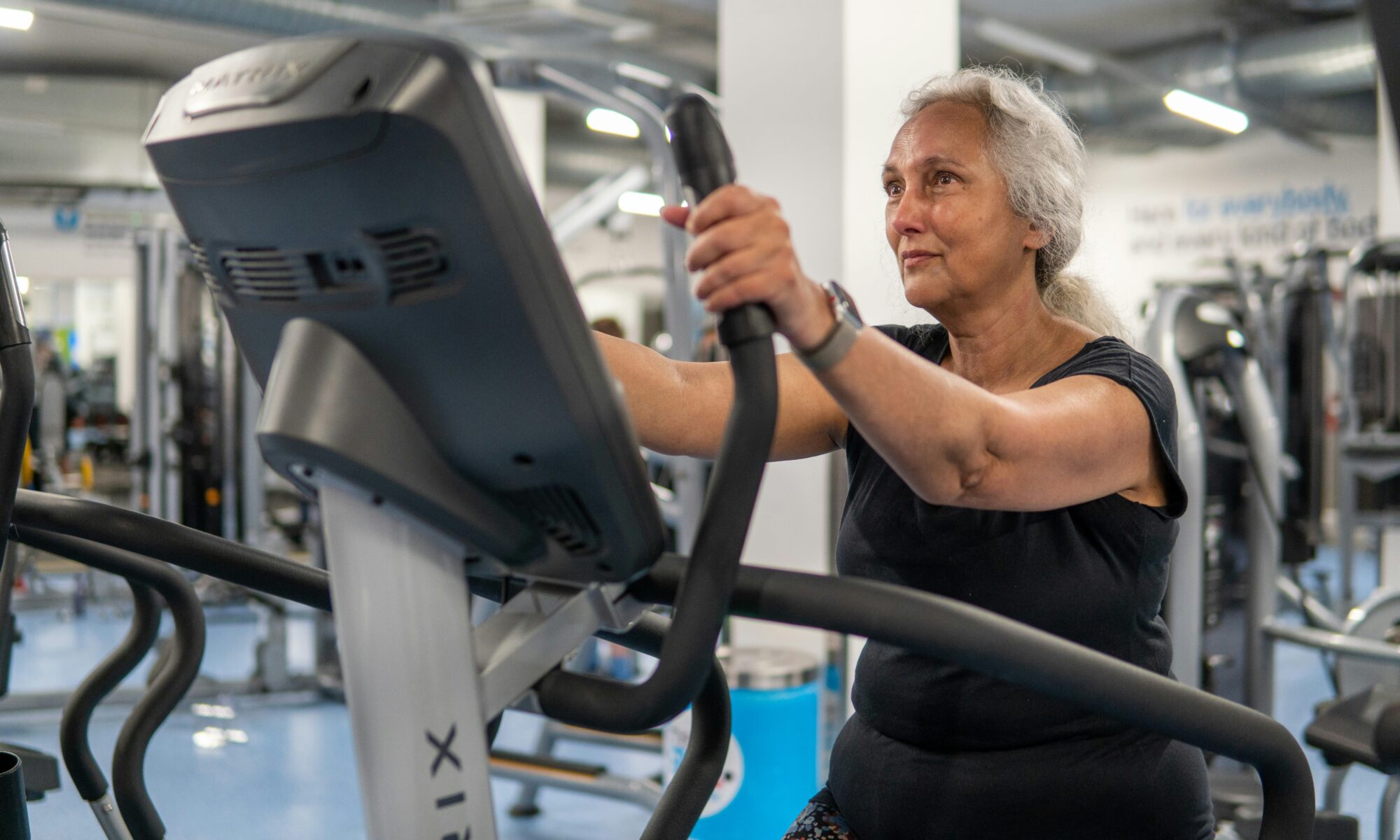
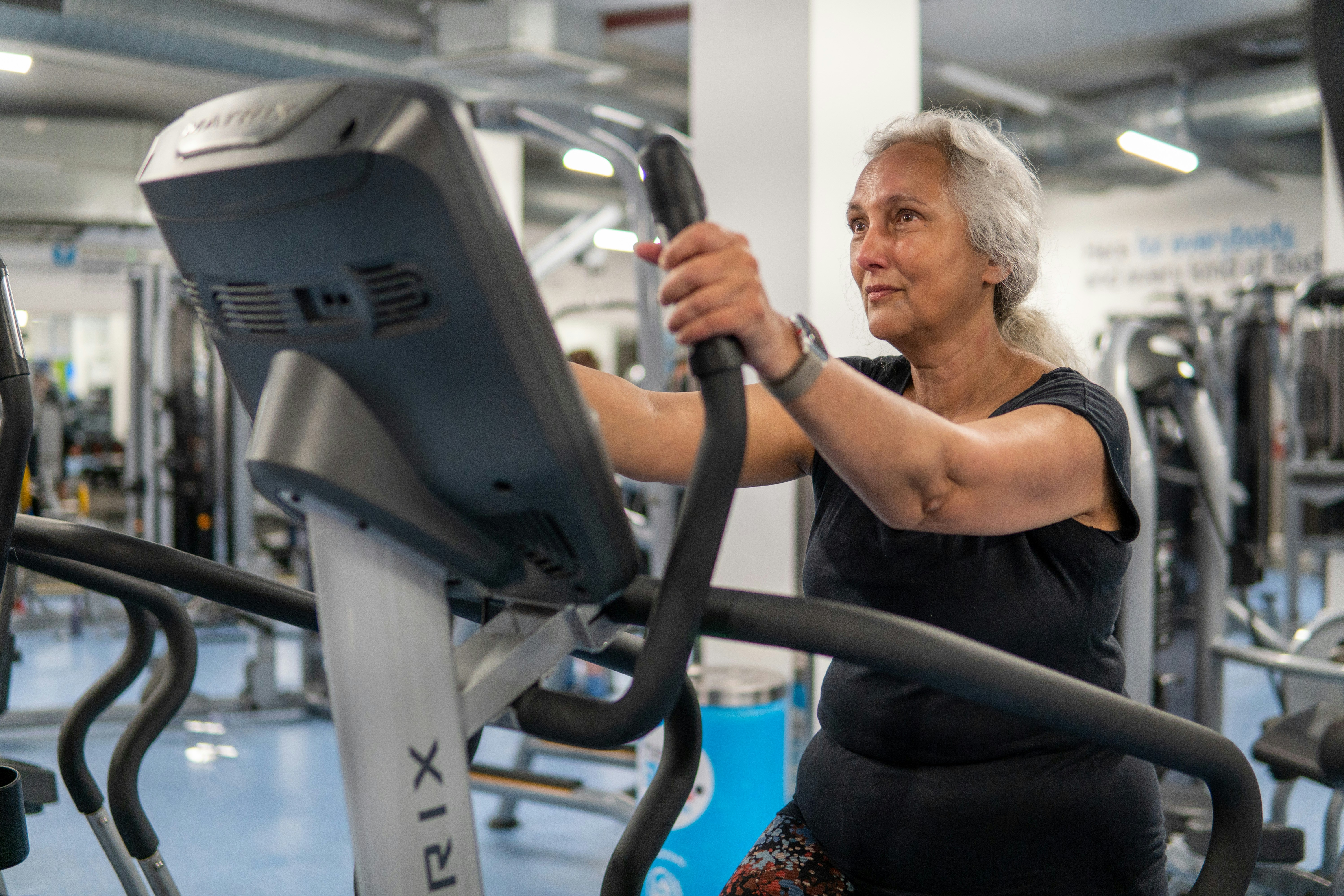
Celebrated across the UK on 24 September 2025 National Fitness Day is an annual campaign by ukactive that highlights the role physical activity plays across the UK, helping to raise awareness of its importance in assisting us to lead healthier lifestyles. It is a day dedicated to celebrating physical activity, fitness, and wellbeing. This is an important truth for all ages but all too often exercise and fitness is considered to be the preserve of the young or middle-aged and not a critical element in the care and support of older persons. Nothing could be further from the truth.

National Fitness Day is an invitation – not to chase step-counts for their own sake – but to stand up for dignity, independence and joy in later life. For those of us who live, work, or receive support in Scotland’s care homes and homecare, movement is essentially about human rights: the right to participate, to choose, to keep agency over our bodies and our days.

The UK Chief Medical Officers are unambiguous: older adults should build strength and balance at least twice a week, alongside regular aerobic activity. This isn’t gym-speak; it’s about getting out of a chair safely, turning in a narrow hallway, stepping onto a bus, and having the confidence to go to the garden gate.

The World Health Organisation echoes this: for people with lower mobility, activities that challenge balance three or more days a week are recommended to prevent falls. In other words, the type of movement matters as much as the minutes.

In Scotland, the numbers are stark. In the year to the end of March 2024, according to Public Health Scotland there were 56,294 emergency hospital admissions for unintentional injuries in Scotland. Of these, for those aged 65 and over, there were 28,389 admissions. Among the 65+ group, just over 86% of the unintentional injury admissions were the result of a fall. Behind every statistic is a person, often a carer, and almost always a loss of confidence that narrows life.

Scotland has recognised this for years. Our National Falls and Fracture Prevention Strategy set a whole-system vision; resources like NHS Inform and Public Health Scotland’s Up and about: Taking positive steps to avoid trips and falls make prevention practical and person-friendly.

The evidence is consistent.

In community settings, structured programmes that prioritise balance, functional tasks and lower-limb strength reduce the rate of falls by ~24–34%. That’s a meaningful difference in everyday lives. Specific activities like Tai Chi, when practiced regularly, shows additional benefits for balance and fall risk. The UK NICE’s 2025 Falls guideline (NG249) places exercise at the heart of multifactorial prevention, alongside review of medicines, vision, feet/footwear and home hazards.

The picture is more nuanced in residential care. A 2023 systematic review found exercise can prevent falls among residents who are willing and able to take part – but benefits fade if programmes stop. The implication is clear: make movement part of everyday life, not a short-term project.

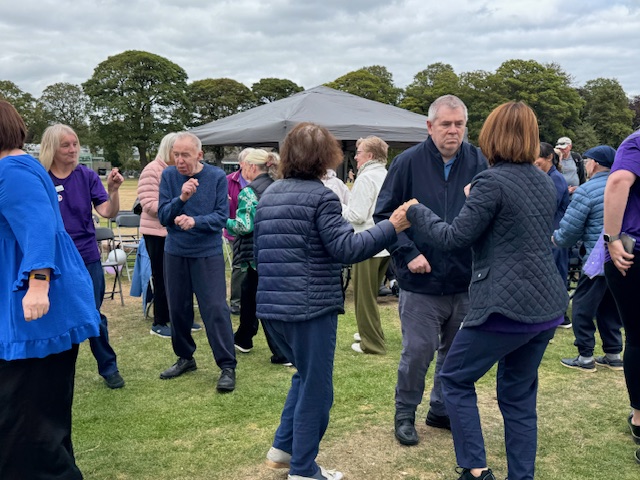
I’ve seen first-hand what the benefits coordinated exercise programs for care home residence can lead to. Scotland’s own CAPA (Care About Physical Activity) programme showed how care staff, not just physiotherapists, can weave movement into ordinary moments – standing for teeth-brushing, purposeful walking to the dining room, gardening, dancing before lunch. The evaluation reported positive impacts on independence, quality of life and activity levels.

If our goal is fewer falls, as it should be – we need to get those who can, to get off the couch and out of their seats and to exercise. It may be necessary for those who are deconditioned, fearful, or recovering, to start with seated exercises but all the evidence shows that we then need to progress to standing, weight-bearing and balance-challenging work. The gains we need come from progressive, balance-challenging and strength-building activities, ideally 2–3 times/week, sustained over months and then maintained.

A rights-based approach means attending to all the factors that shape risk and confidence: regular medication review (especially psychotropics), vision and hearing checks, footwear and podiatry, and bone health. Exercise is powerful; it’s even more powerful when wrapped in this support.

We cannot continue to ignore the substantial global evidence which shows that activity and exercise bring real benefits even in very late life.

One recent study published earlier this year is “Effect of soft surface stepping exercise on physical activity among community-dwelling elderly: A Prospective Randomized Controlled Trial” undertaken in Thailand by Kaewjoho and others.

The research project took elderly, community-dwelling individuals with an average age ~70-71 years. Two groups undertook stepping exercises: one group practising on a soft surface, the other on a firm surface. Exercises were whole-body stepping movements, 50 minutes per session, 3 days per week, for 6 weeks. There was a follow-up one month after end of intervention.

The study showed that both groups improved in functional mobility, walking speed, and lower extremity muscle strength after 4, 6 weeks and at a one-month post-intervention. The soft-surface stepping group showed greater improvements in dynamic balance and in specific lower limb muscle strengths compared to the firm surface group at 6 weeks.

Taken as a whole the study showed that even relatively “gentle” interventions (stepping, balance work) over a short time (6 weeks) can yield measurable gains in strength, balance, mobility among older adults who are mobile. Use of soft surfaces might add extra benefit for balance.

I come across countless research items which consistently advocate the importance of mobilised exercise for individuals and yet our whole system response not least to falls prevention seems to be sporadic and spasmodic.

What we need is a real urgent priority on what is potentially a massive support to all the talk of preventative care and support. To achieve this, we need leaders and commissioners to make strength and balance a measured quality marker in contracts; and we also need to sustain activity beyond 12 weeks, so that benefits persist. And it’s stating the obvious that we need such a commitment to be funded and adequately resourced as a core part of commissioning care and support.

Providers need to be enabled and supported to treat movement like they do continence or nutrition – core care, discussed at handover, recorded, progressed, celebrated and there is so much from CAPA learning to draw upon.

Families and friends need to start asking “what helps you feel steady?” then to help make it happen – shoes that fit, a decluttered hallway, a weekly Tai Chi class.

And our political leaders and policy makers need to keep Scotland’s falls and fracture strategy live and funded and to align all this work with Public Health Scotland’s framework for physical activity.

On National Fitness Day exercise and movement need to be celebrated as the opportunity for all regardless of age. Every safe rise from a chair, every steady step to the window, every dance in a corridor is a small act of freedom. Movement is not an optional extra at the end of life; it is one of the ways we live it.

I leave you with the words of ‘Middle-aged Fanclub’ and the poem


Every day, a walk.

Every day, a walk.

Some days you feel like you’re fighting back,

others, like death warmed up.

Almost all, you’re glad to be alive.

Whether breathless

or jelly legged,

alone with your thoughts

or in company and chattering away

about anything and everything,

swaddled like a newborn against the biting cold

in your big coat

that she zips up for you, because you cannot,

dazed by the noise or the light,

or the breeze,

bruised but not battered,

tweaked but not torn,

smiling, but not quite as happy as you’d like to be

and always, always tired.

Every day, a walk.

https://middleagefanclub.co.uk/2023/01/18/poetry-blog-every-day-a-walk/


Donald Macaskill

centre-for-ageing-better-dHHcDjMcN_I-unsplash.jpg