Abercorn House Embraces Virtual Reality

Abercorn House Enhances Resident Wellbeing Through Virtual Reality

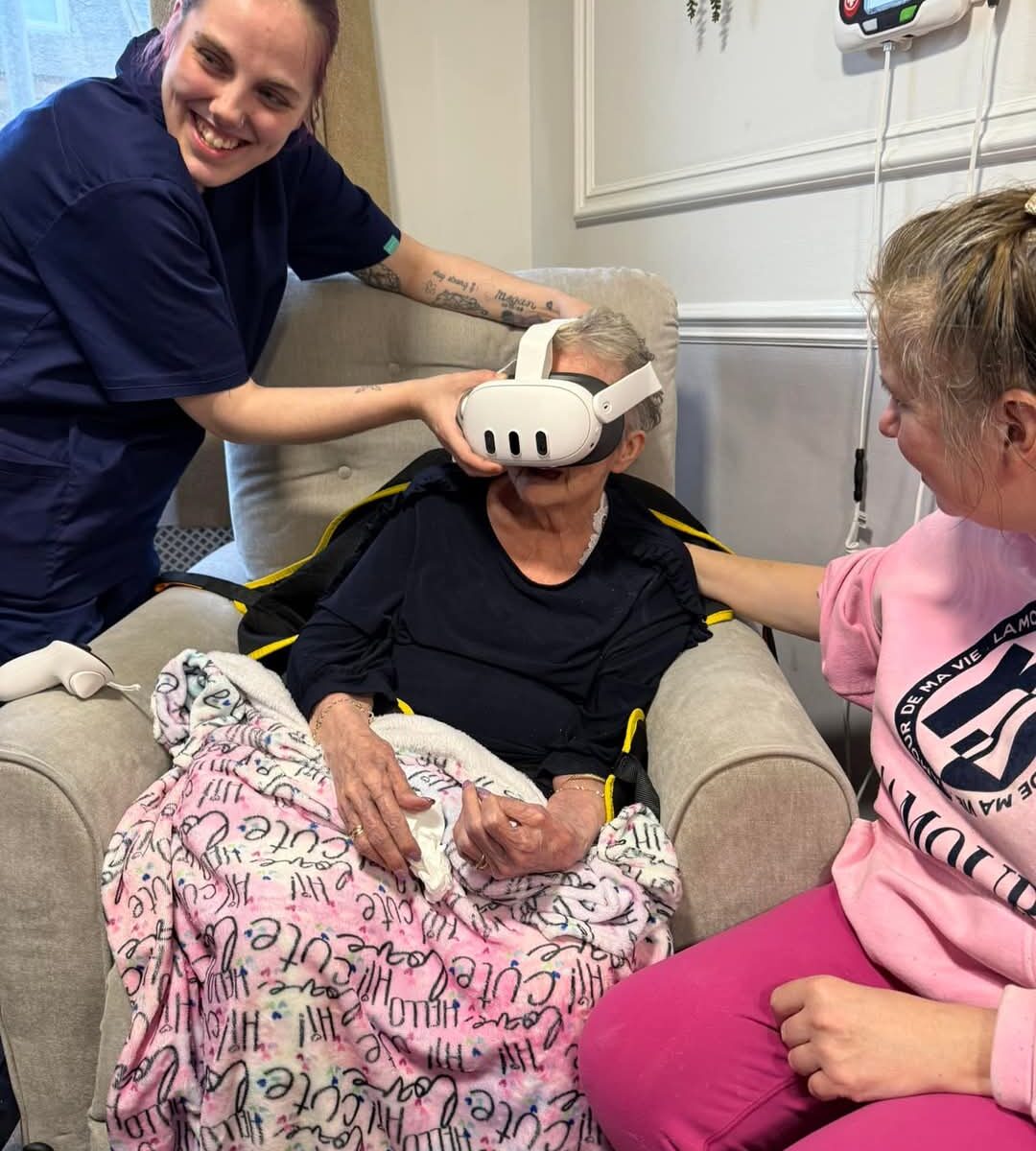
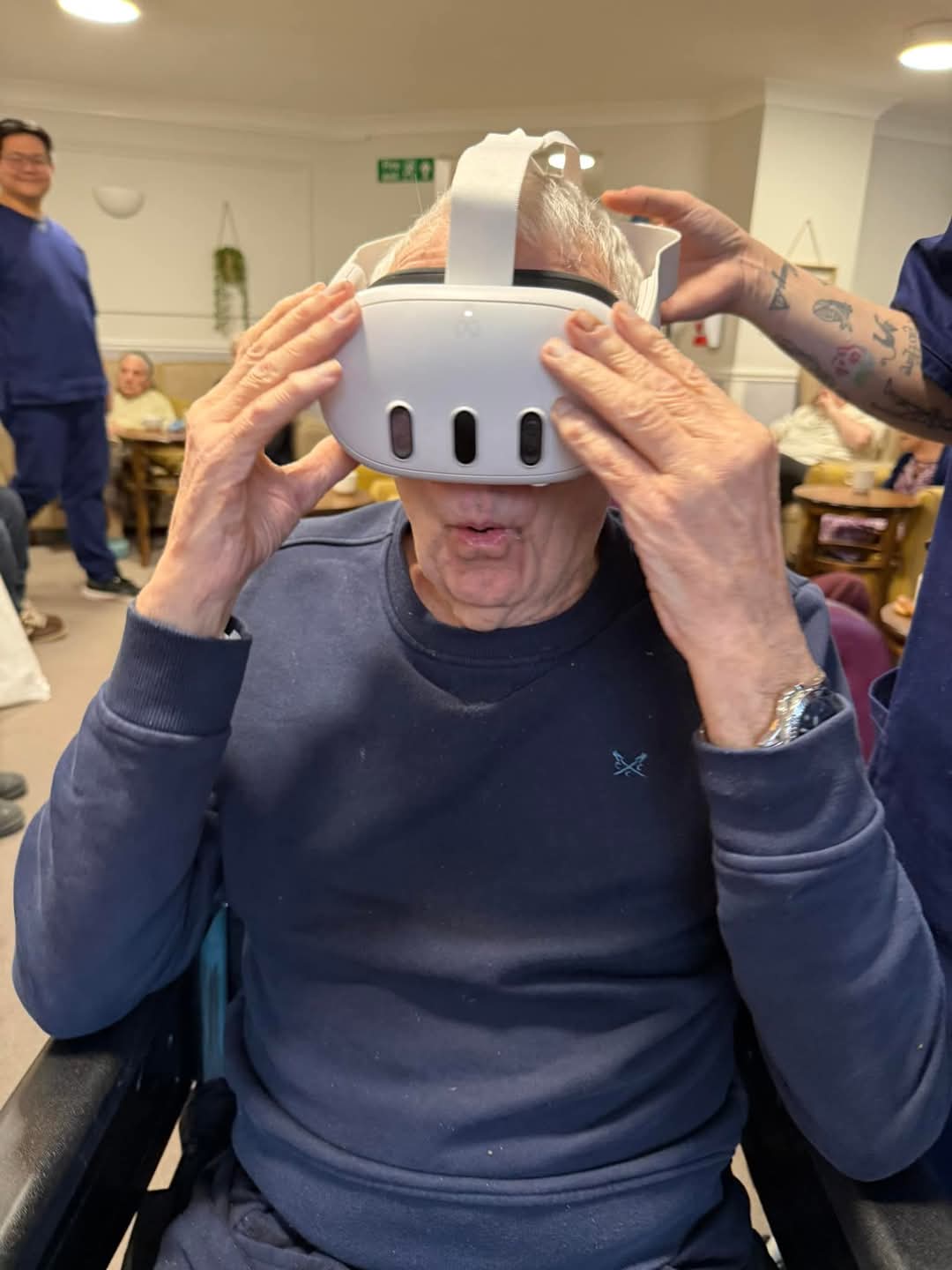
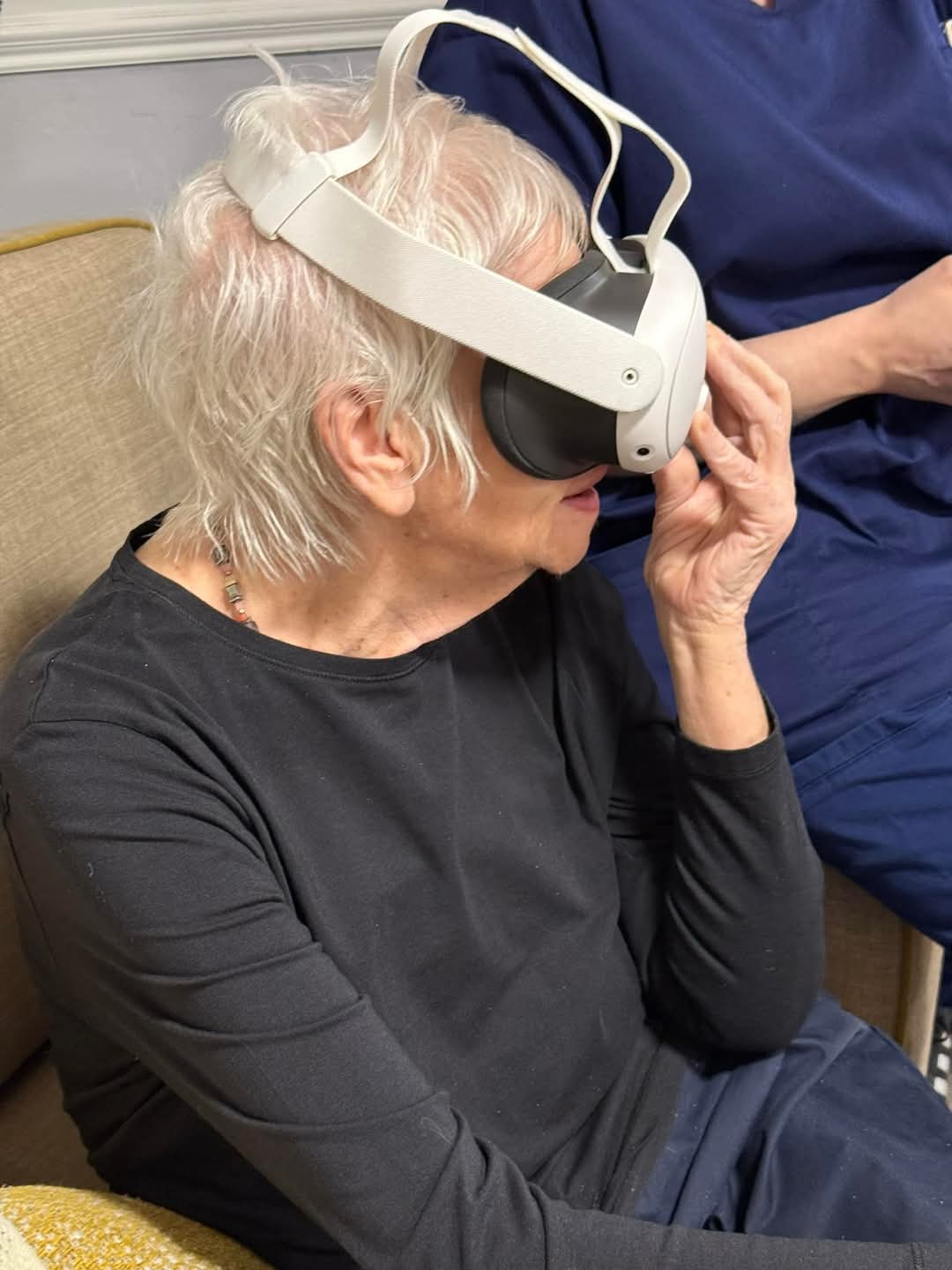
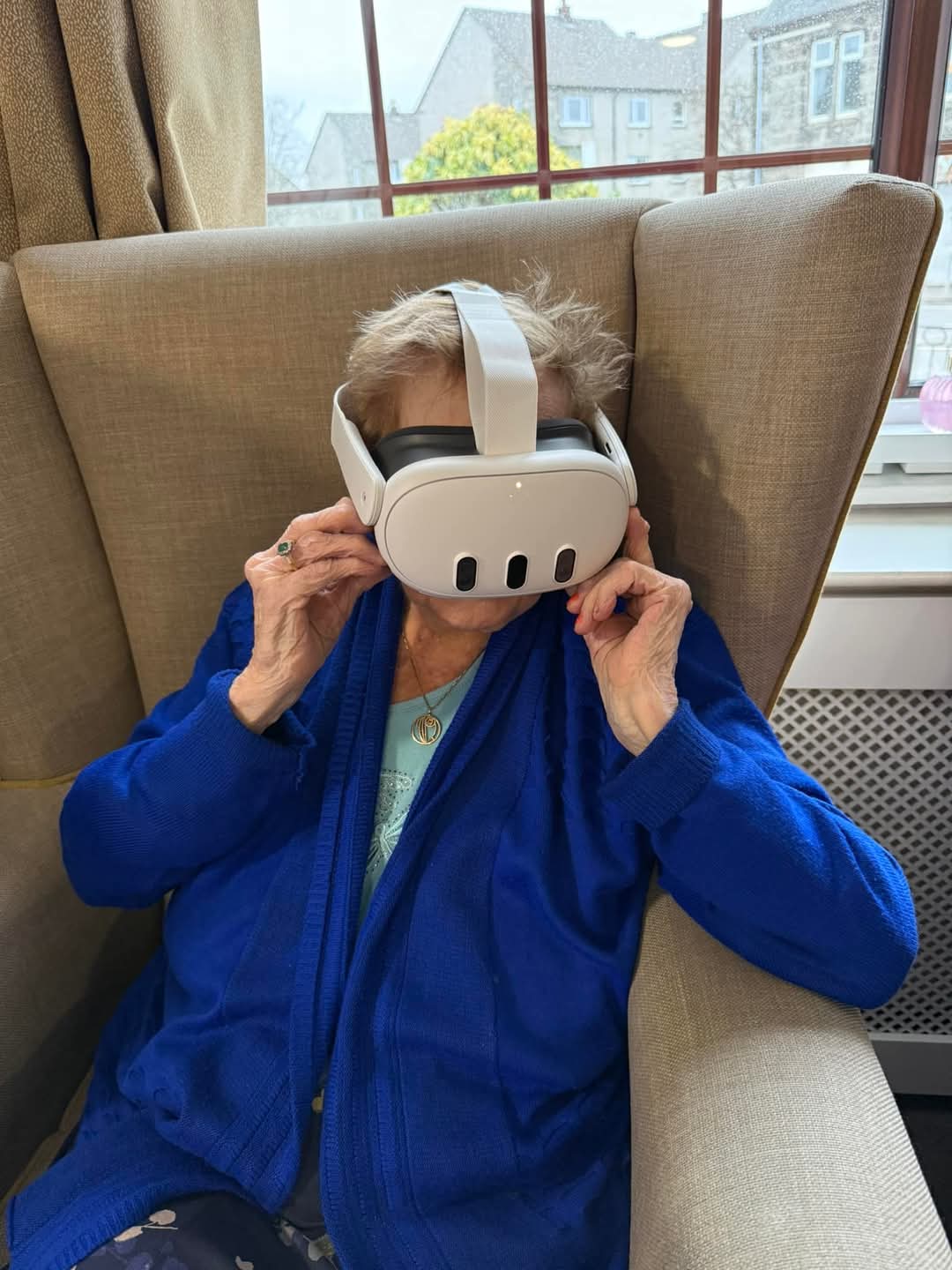
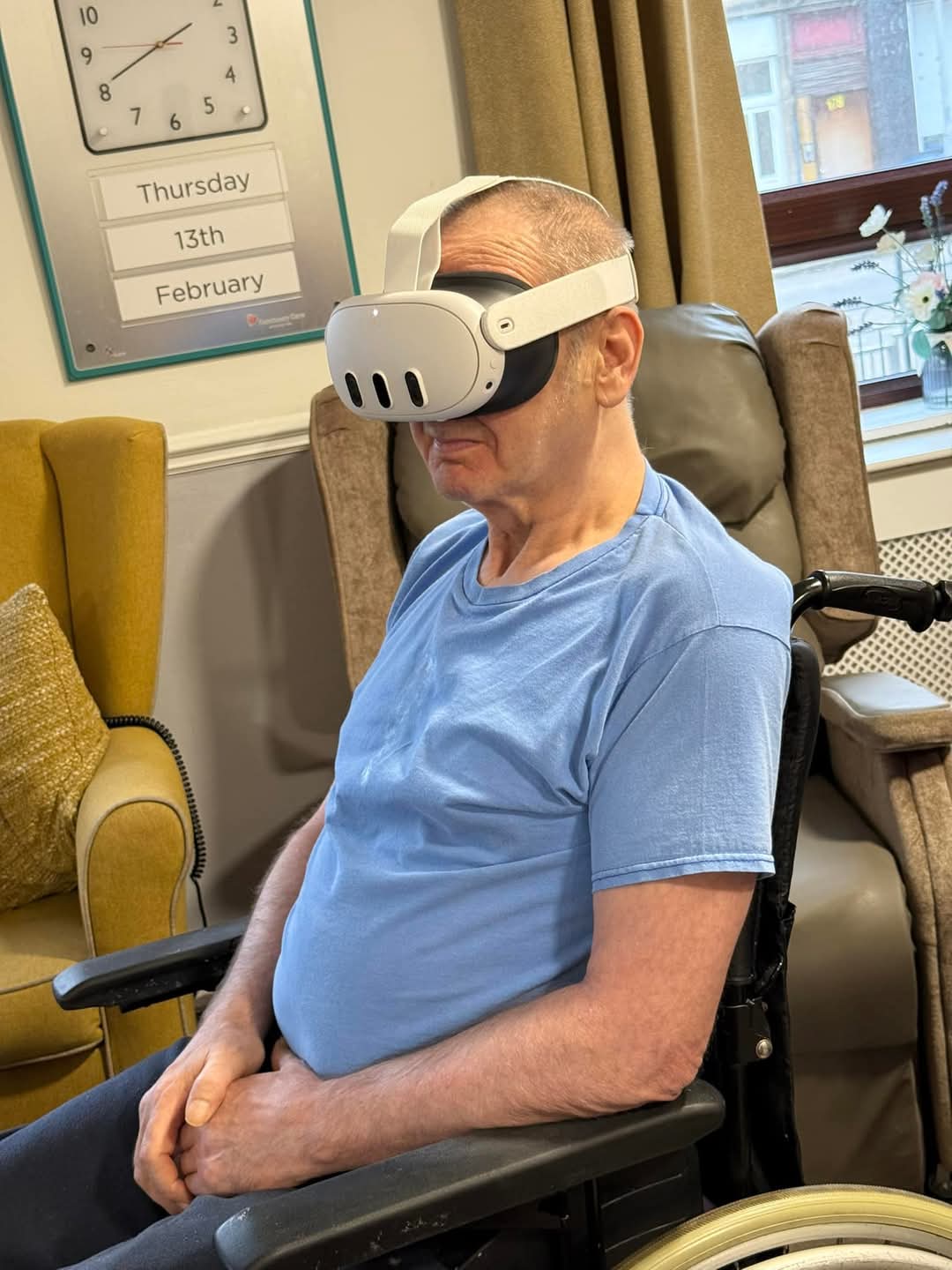
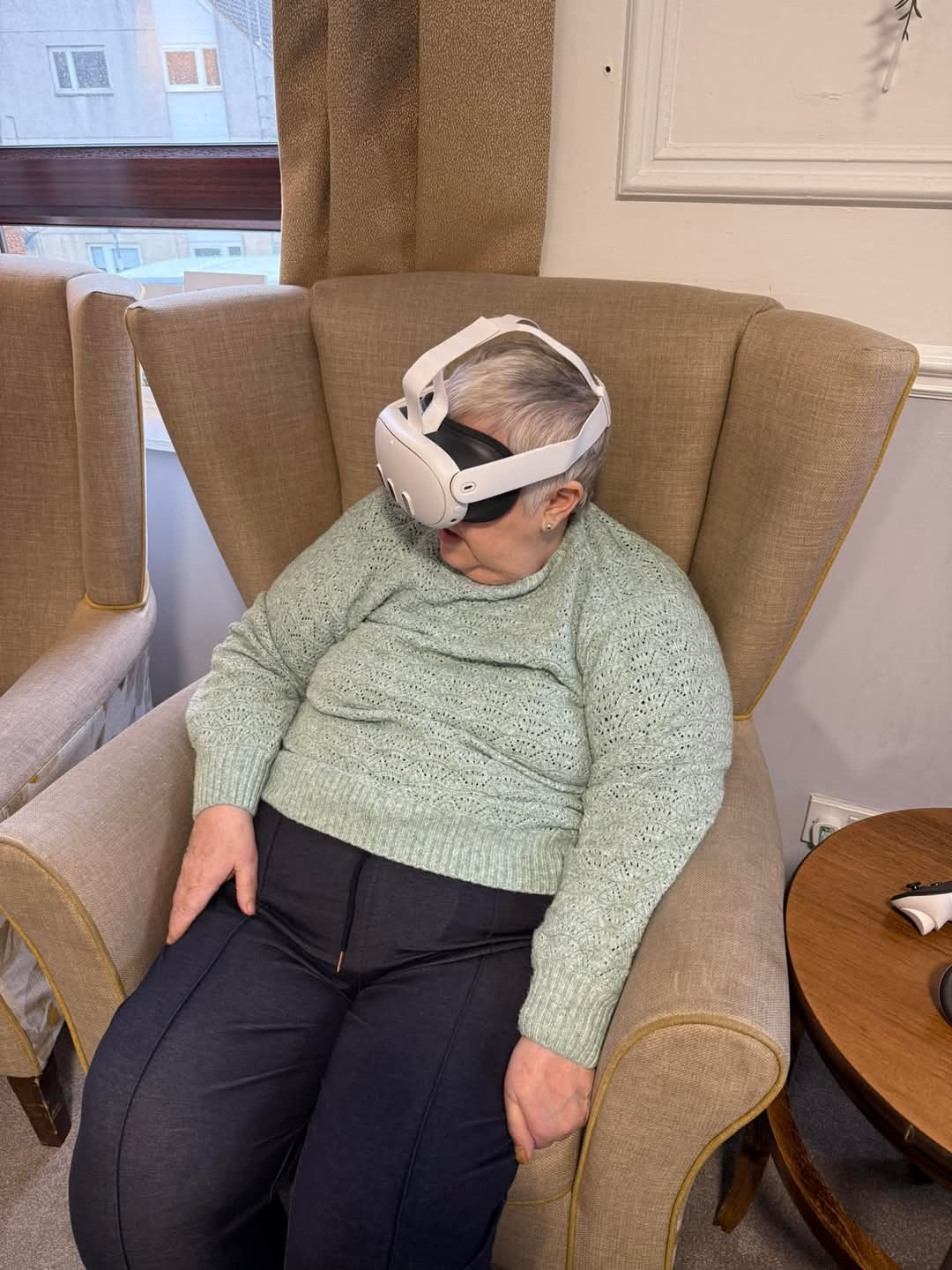
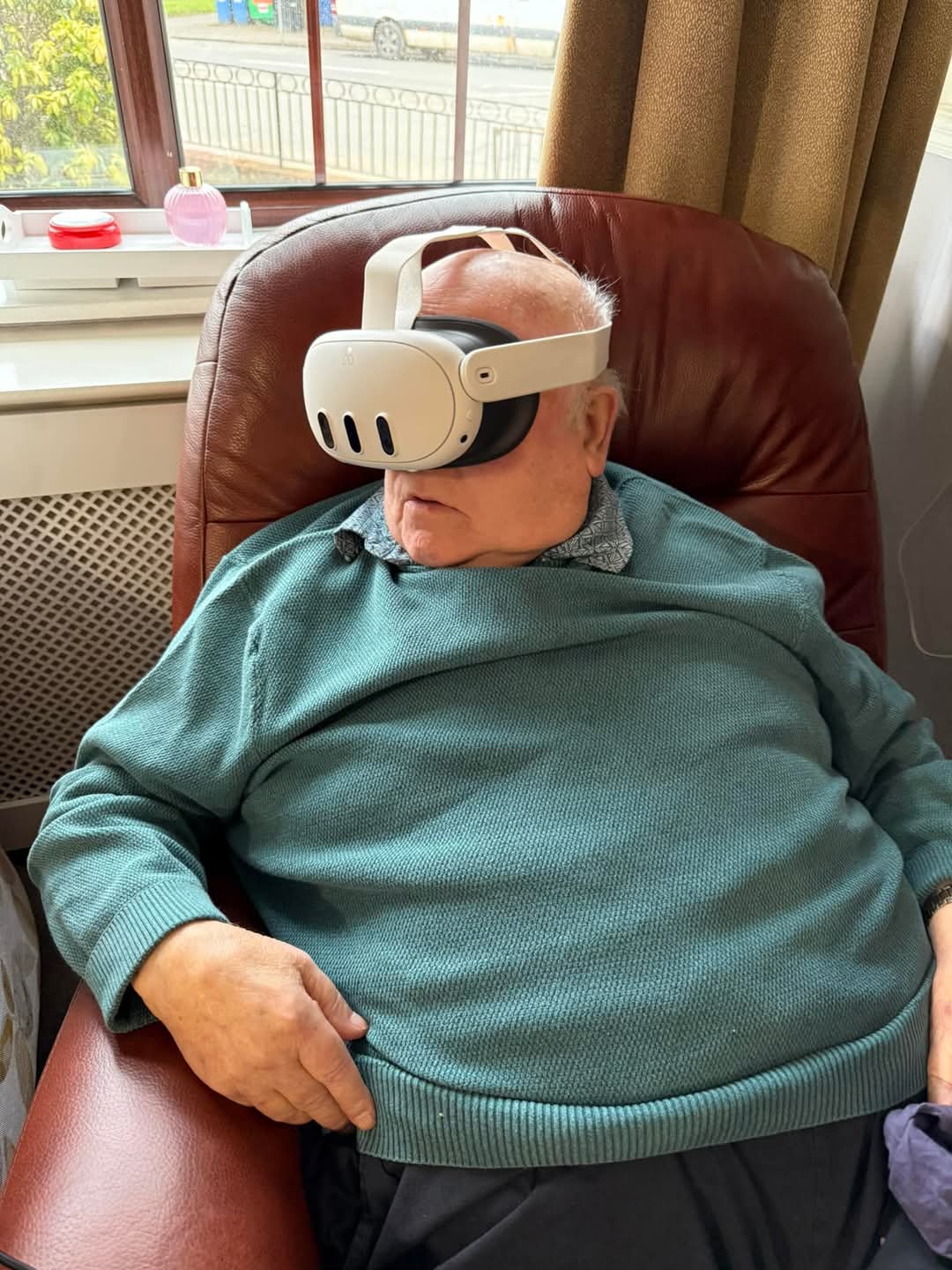
At Abercorn House Care Home, innovation and compassion go hand in hand. As part of their continued commitment to enhancing the lives of their residents, the team is proudly embracing Virtual Reality (VR) to create enriching, personalised experiences for residents.

Whether it’s sparking memories, providing sensory stimulation, or simply offering moments of peace and joy, these immersive experiences are making a meaningful difference. VR sessions are tailored to residents’ interests and needs, allowing each individual to engage in ways that feel familiar, exciting, or soothing.

The initiative reflects Abercorn’s wider commitment to enhancing wellbeing through innovation, creating not just a place of care, but a space of opportunity, curiosity, and connection.

A huge well done to the Abercorn team for leading the way in innovative care proving that the future of wellbeing is both high-tech and deeply human.

Abercorn’s Pride Party 2025

Celebrating Love, Diversity and Community- Abercorn’s Pride Party 2025

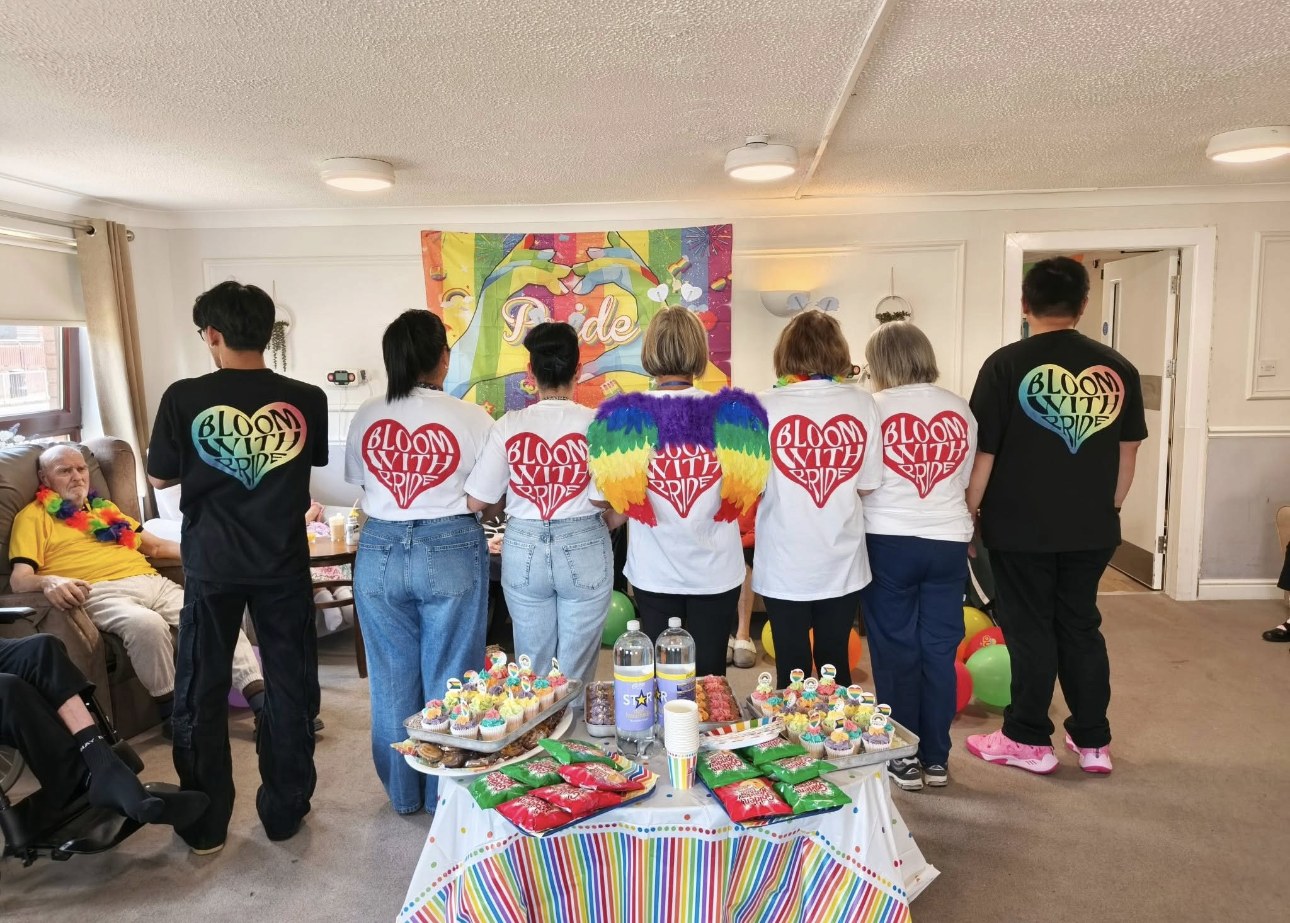
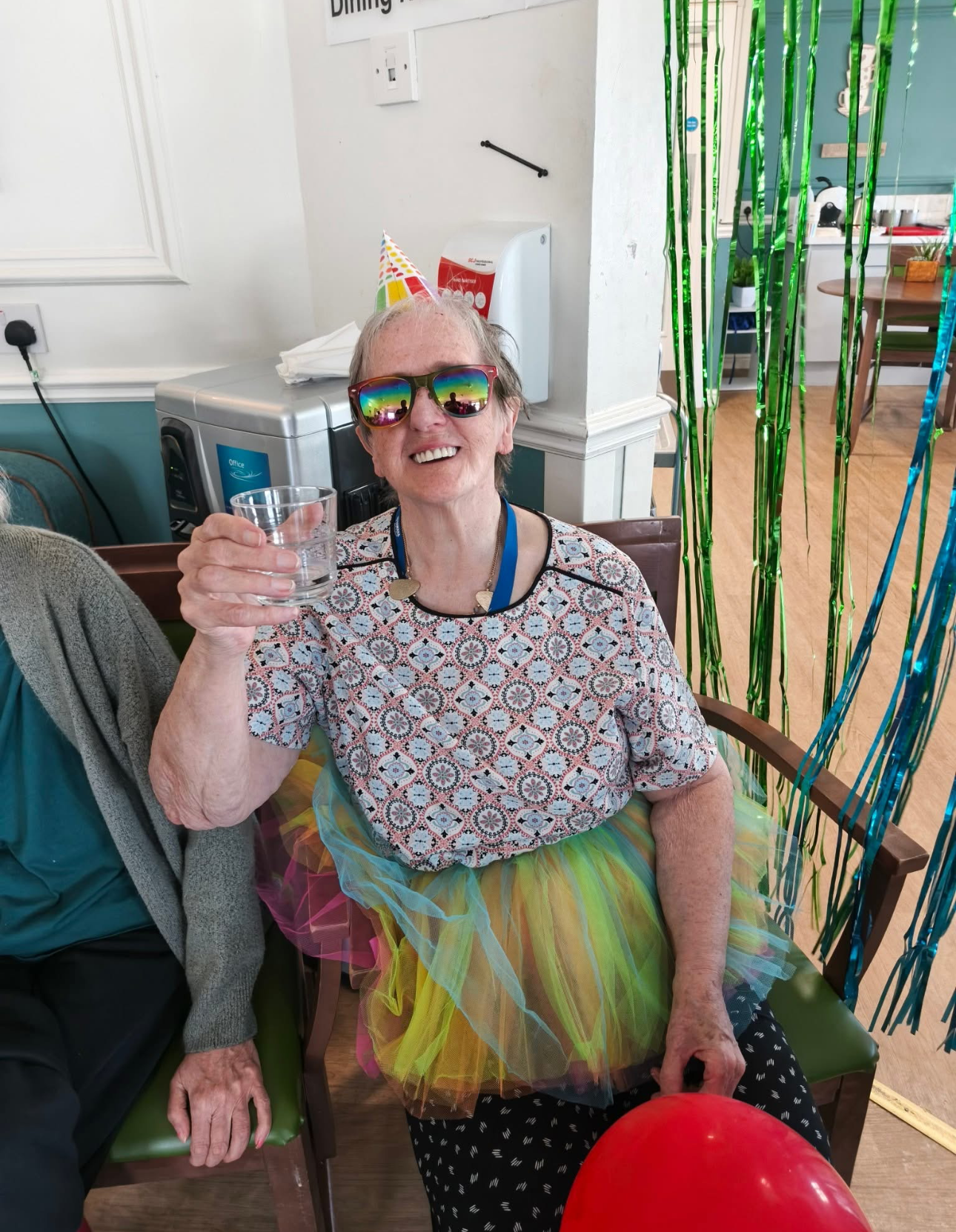
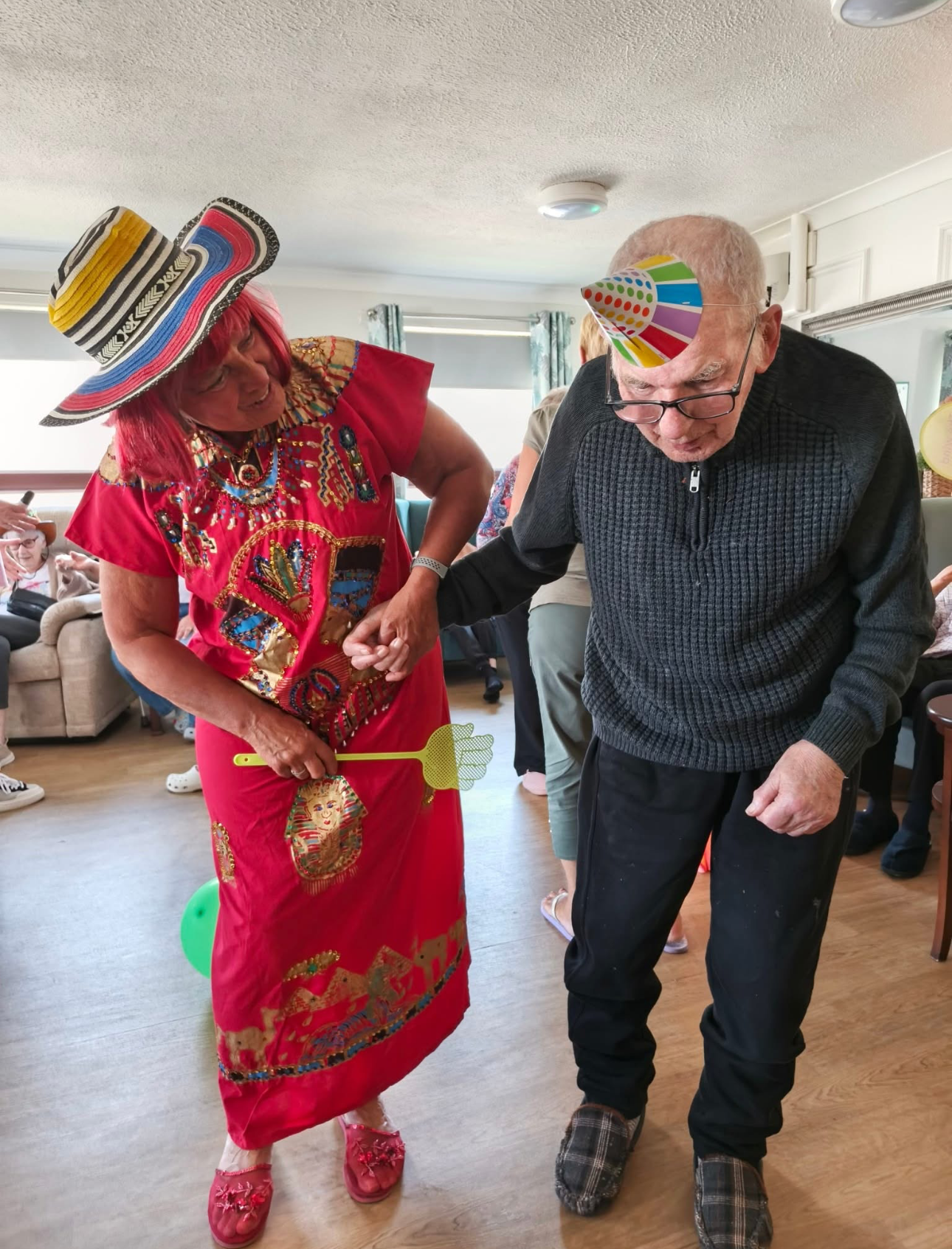
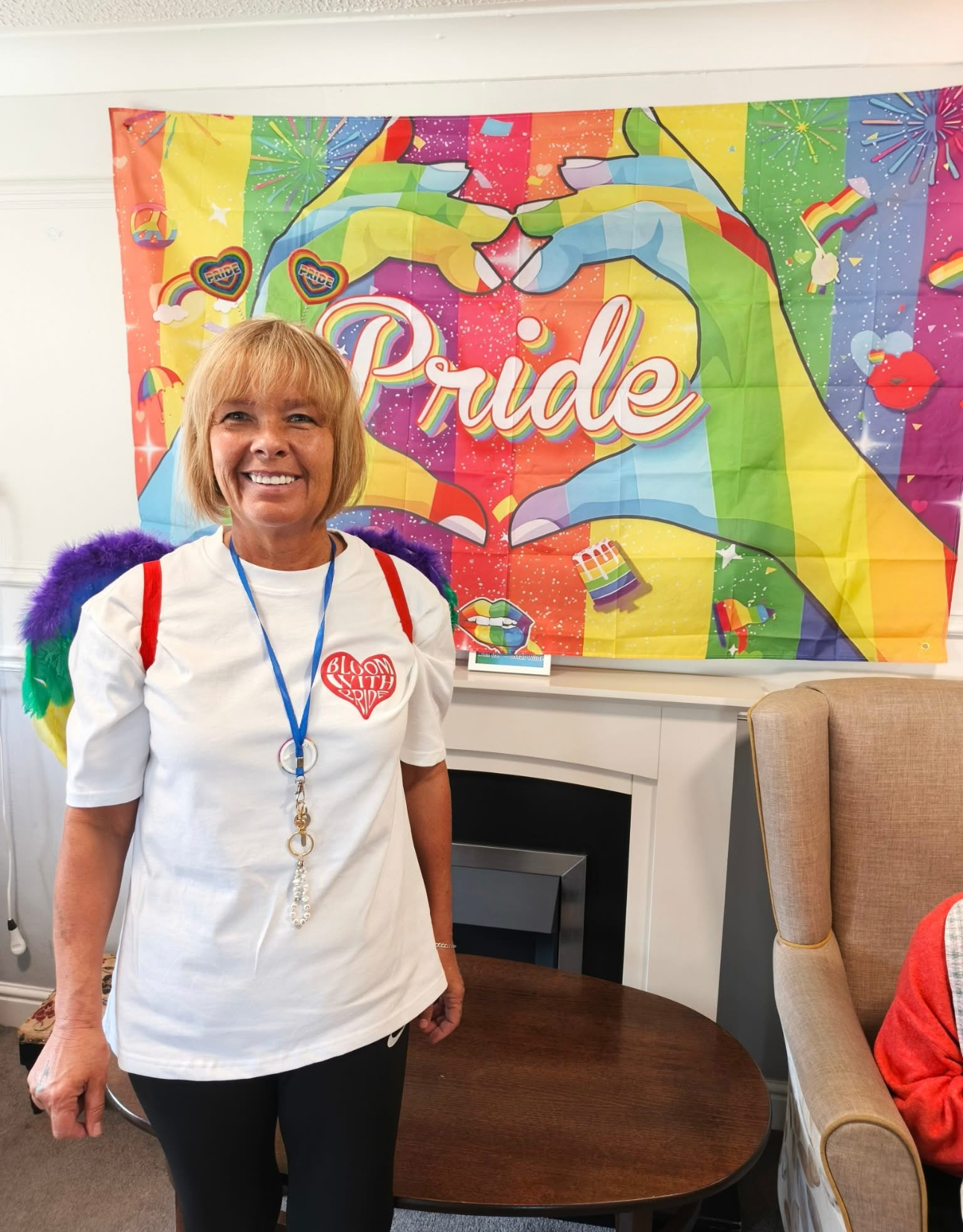
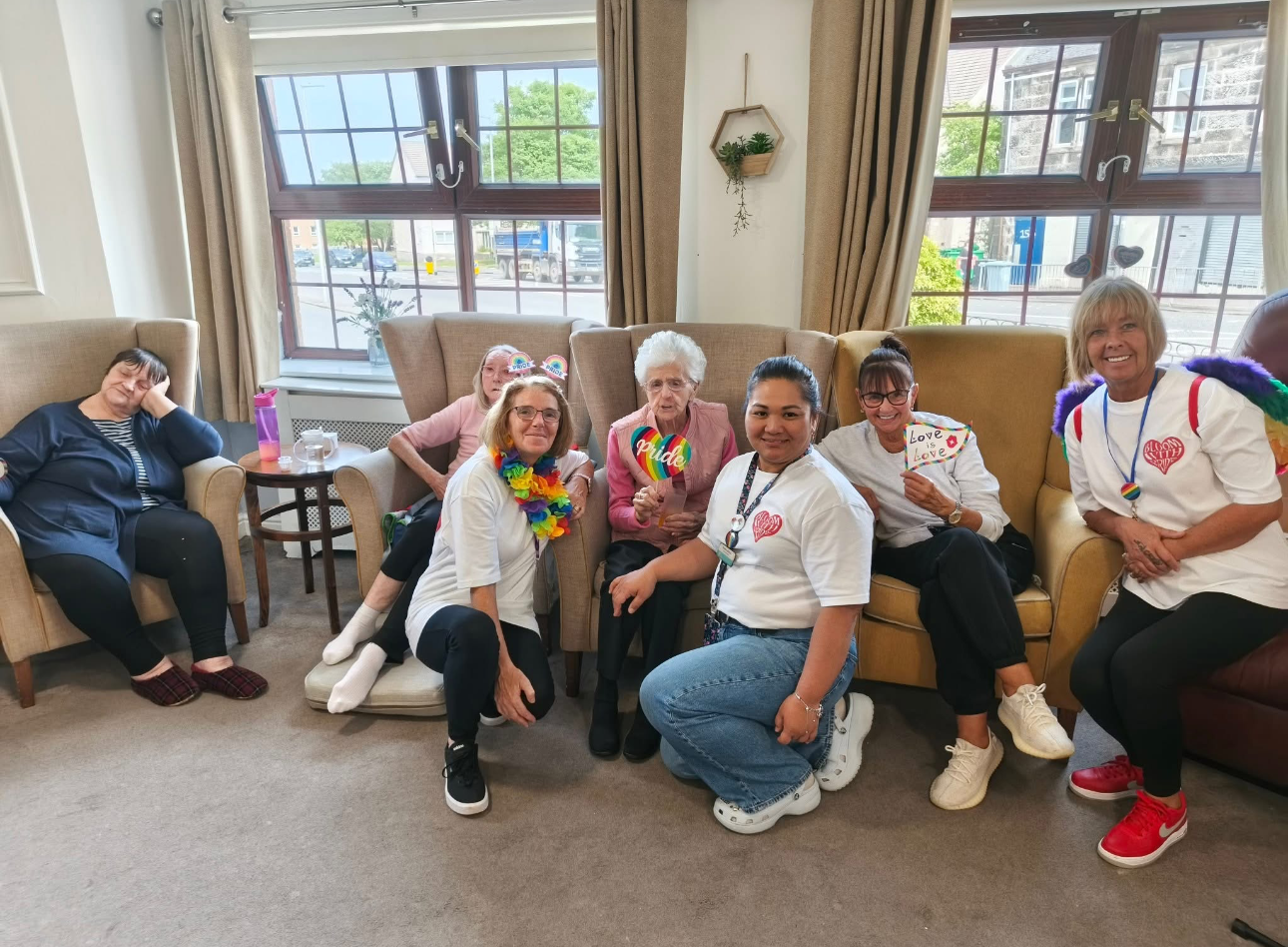
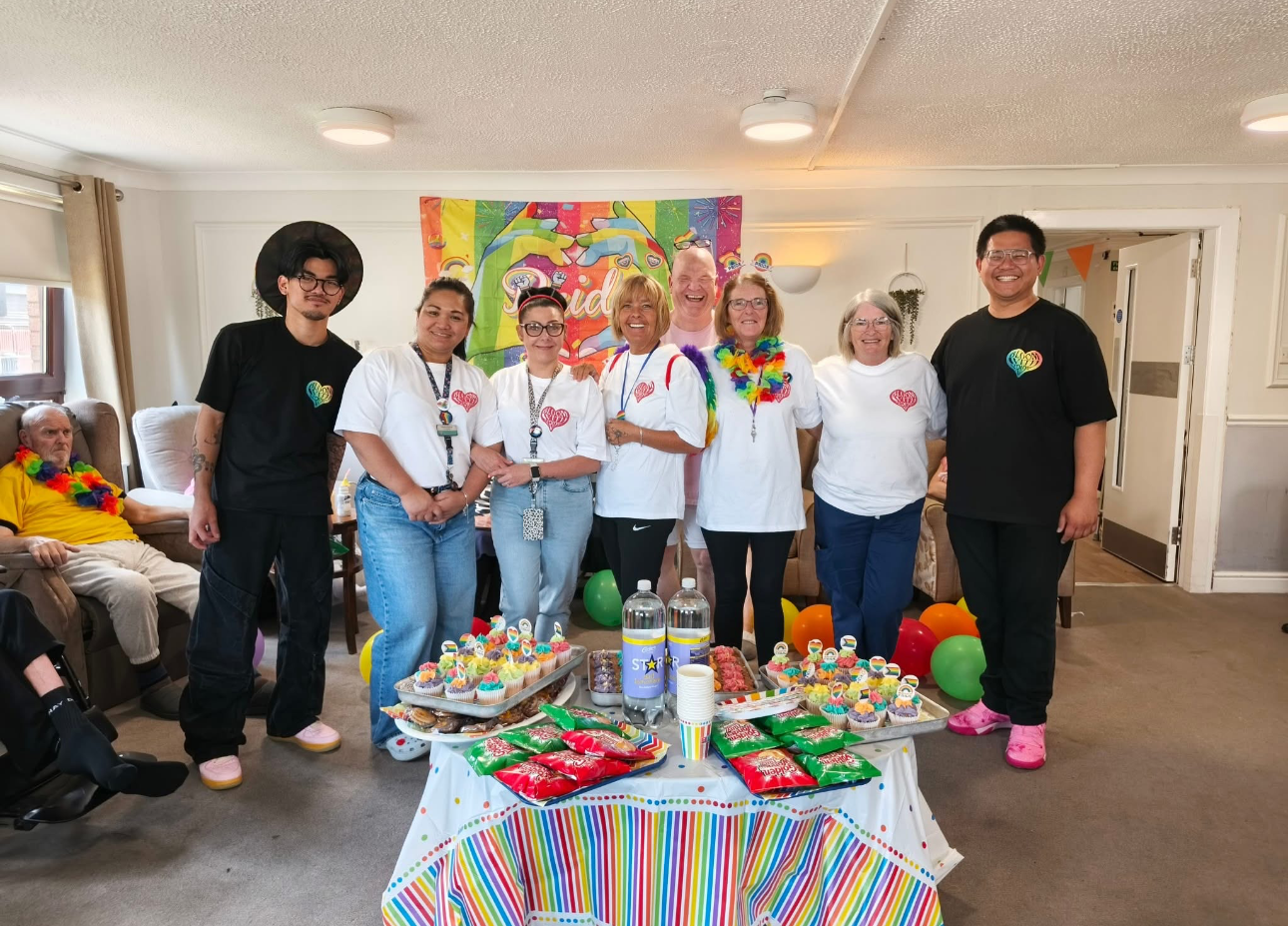
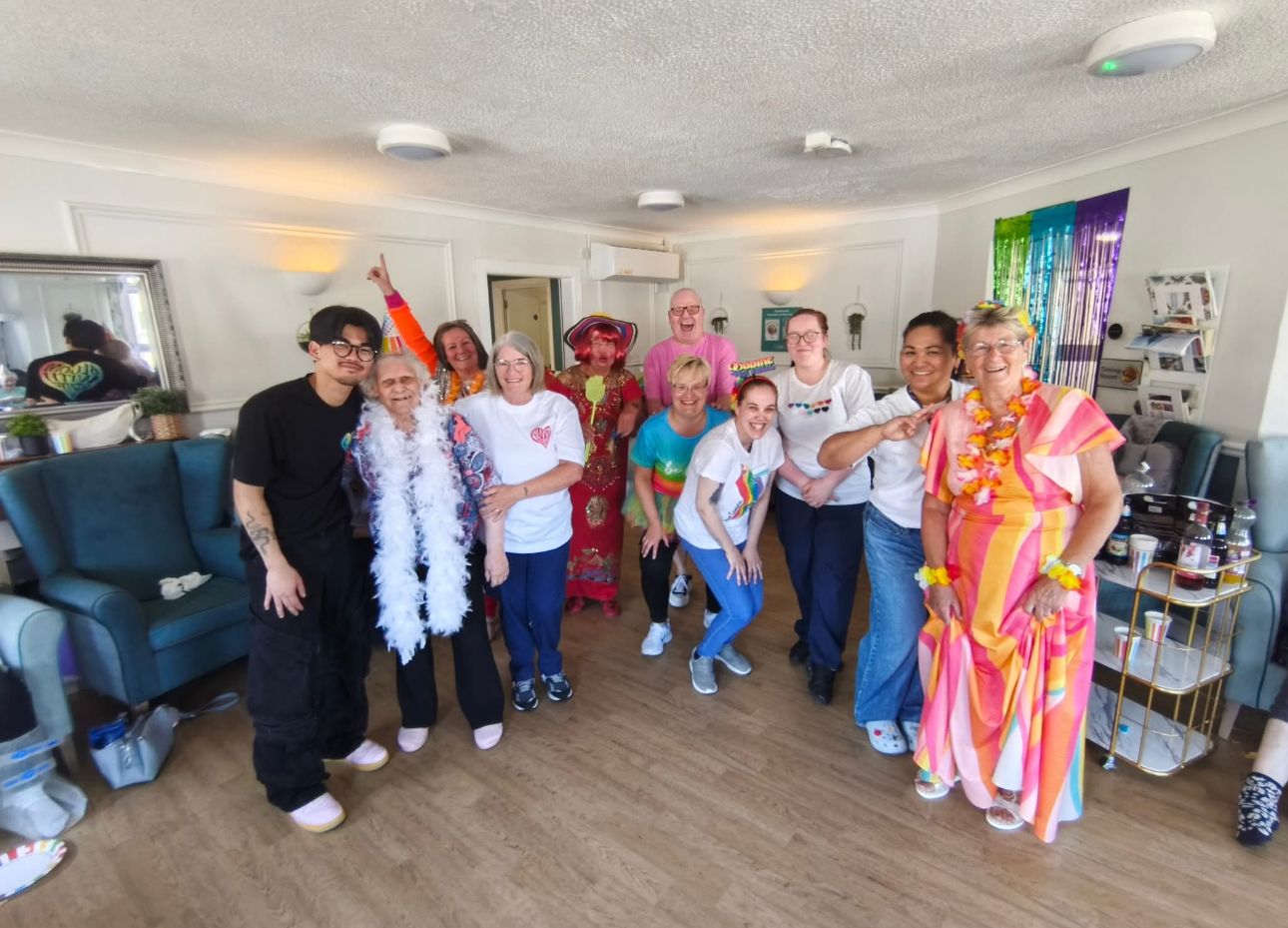
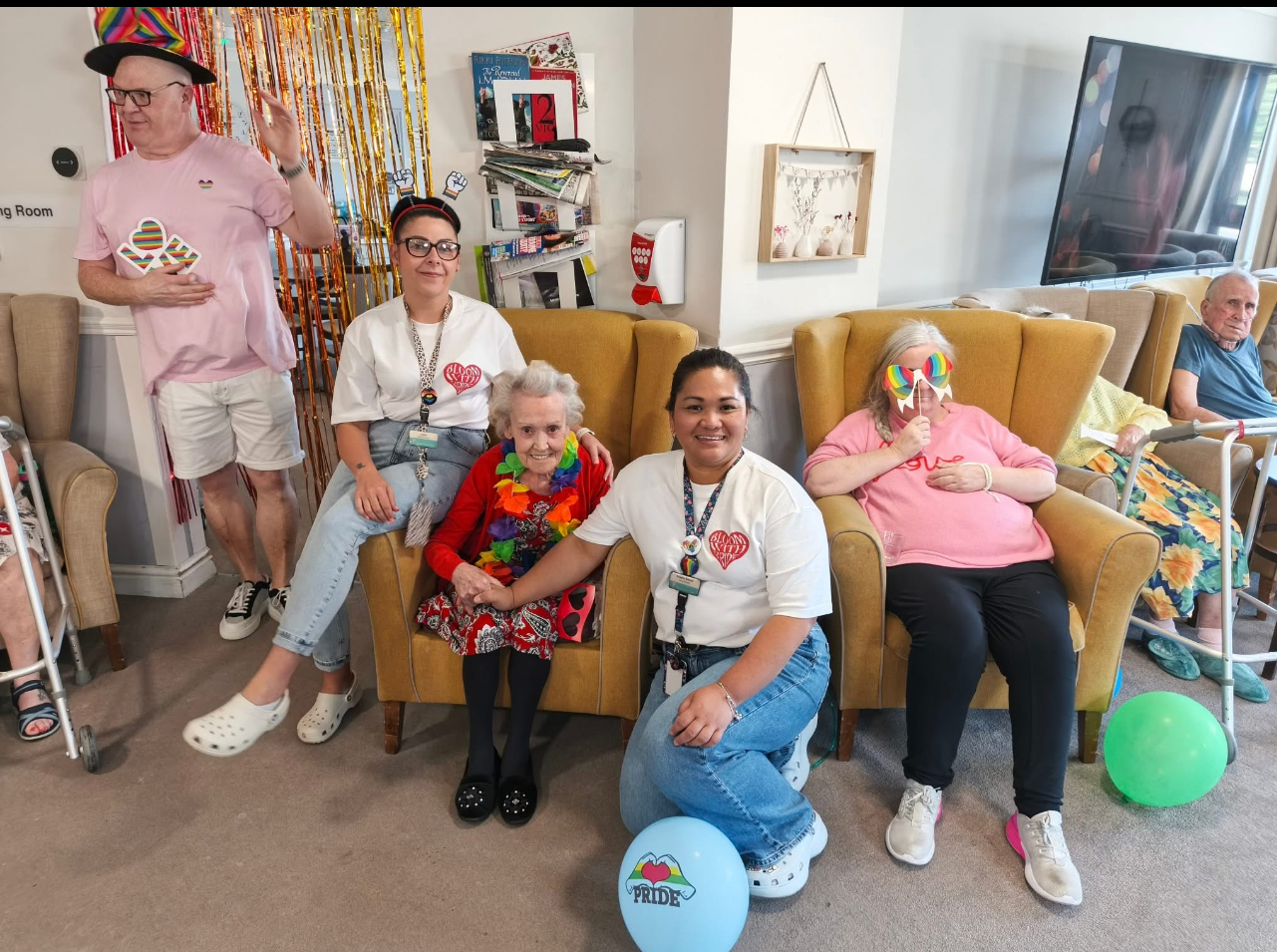
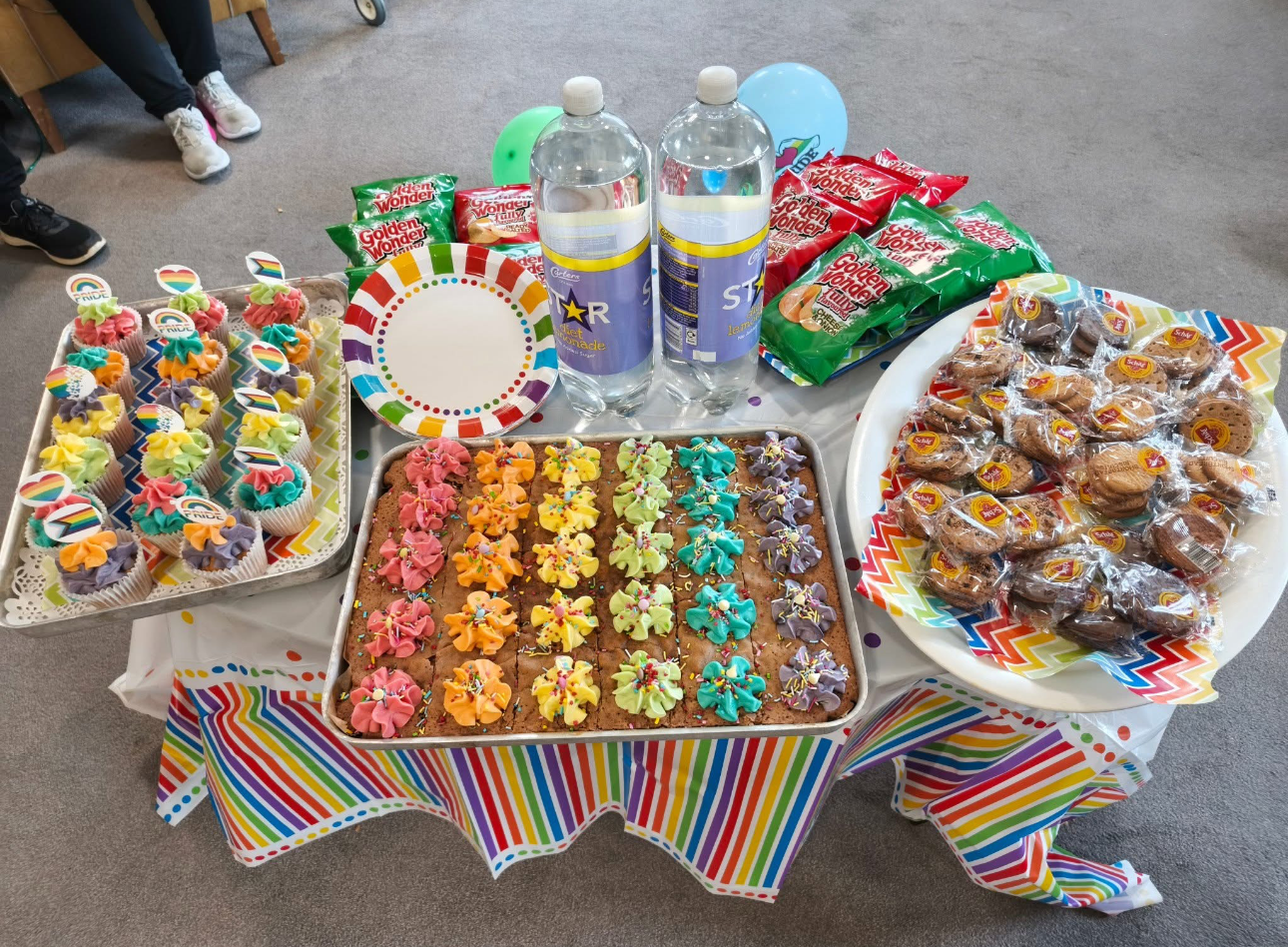
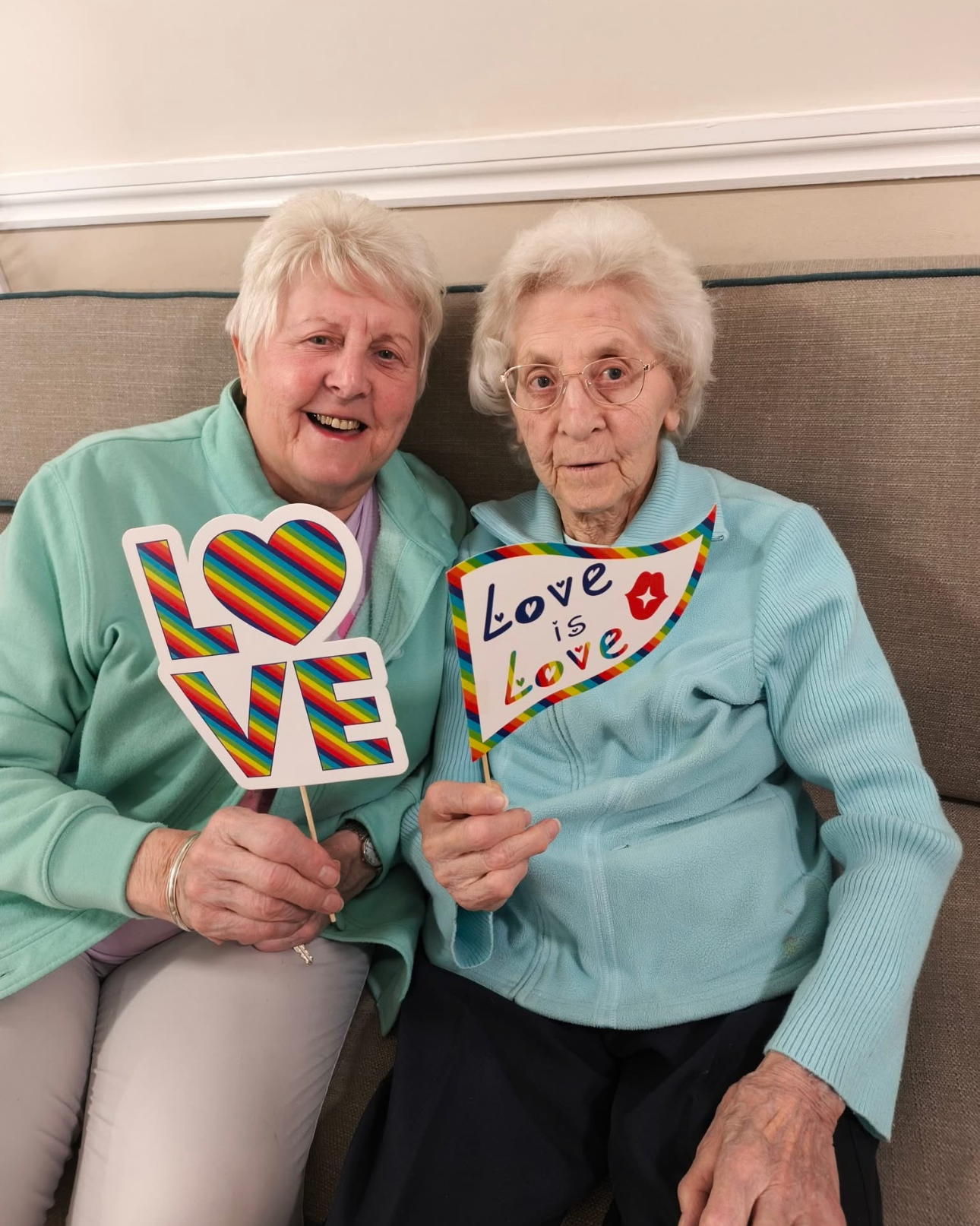
At Abercorn House, care is not just about support- it’s about belonging. This year, the team proudly hosted a vibrant and meaningful Pride Party, bringing together residents, families, and staff to celebrate the beauty of inclusion, identity and joy.

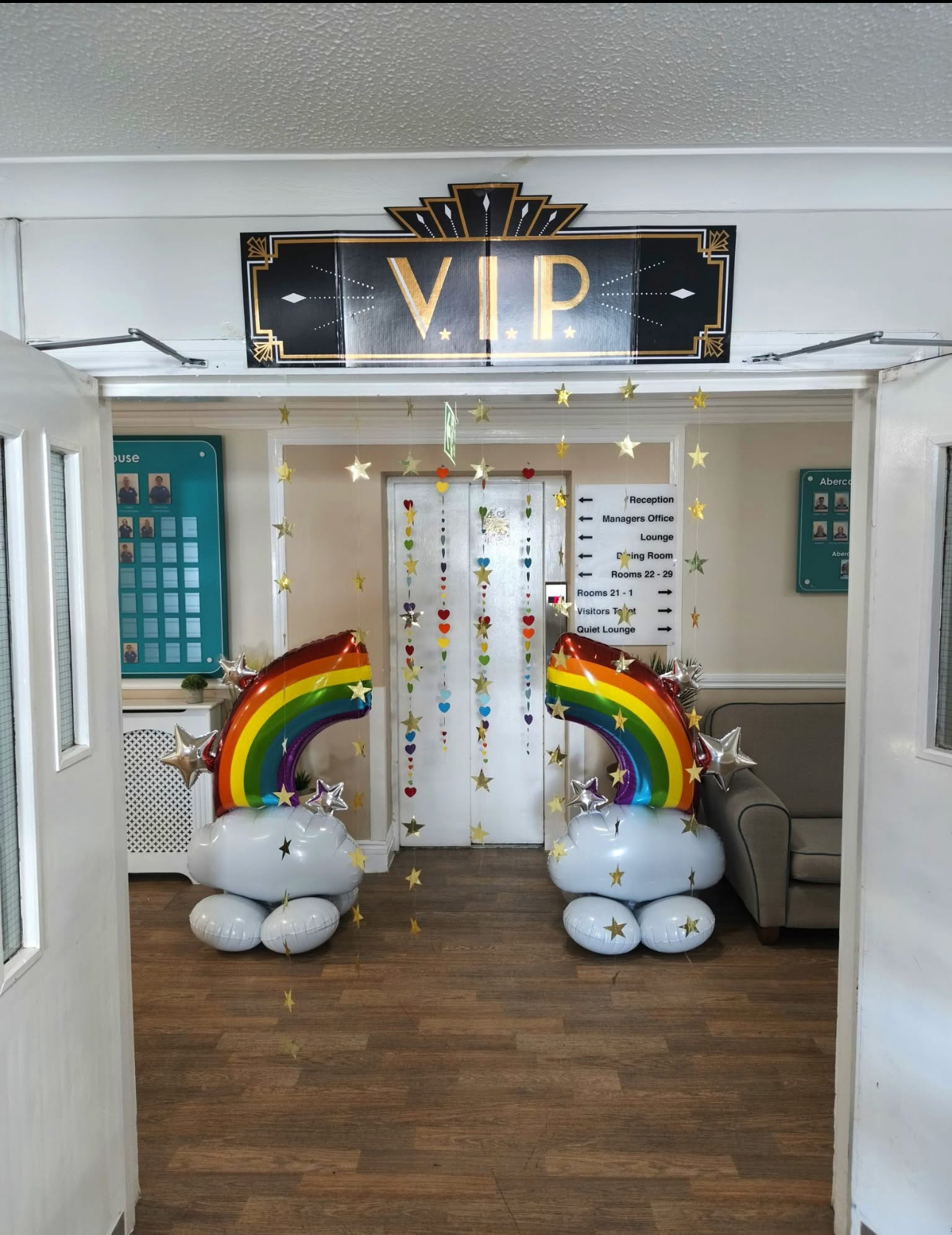
The home was transformed into a colourful space of love and laughter, with rainbow flags, decorations and the warmest of smiles lighting up every corner.

The day featured:

A resident, staff and families fashion show, where people of all ages strutted with confidence and style, cheered on by proud families and friends.

Live singing and dancing, sparkling happy tears and laughter as everyone got involved.

Heartfelt entertainment, where music bridged generations and filled the home with unity.

What made this celebration so powerful was not just the rainbow colours or fabulous fun- it was the sense of connection. Residents expressed feeling valued and uplifted, especially those who have seen decades of change in how love and identity are embraced.

Families commented on how beautiful it was to see a care home truly living its values-where inclusion is not just a policy but a way of life. Staff led with love, our residents shone with pride, and together, we celebrated every person for exactly who they are. This event is just one example of how Abercorn continues to build a culture where everyone belongs. Residents aren’t just cared for- they are seen, heard and celebrated. Abercorn hopes that their celebration inspires other homes to keep flying the flag of dignity, respect and love for all.

Fife celebrates Africa Day

Fife’s First Care focused Africa Day Celebration Shines a Spotlight on Culture, Community, and Care

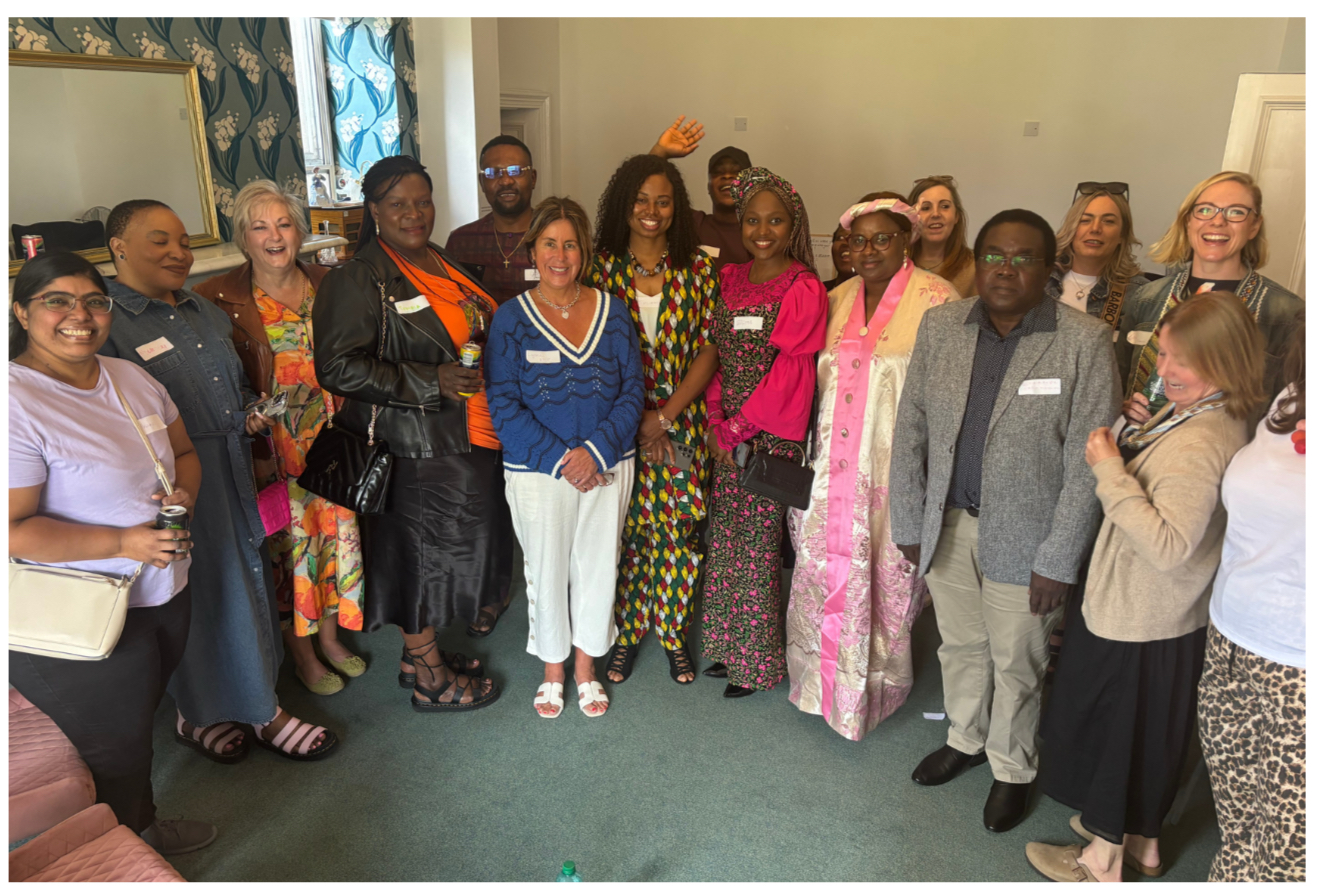
Alyson Vale from Abbotsford Care , Audrey MacFarlane from Oran Care. Paul Dundas, Fife Independent Sector Lead and Rachel Payne from Bandrum Nursing Home put on a really successful Africa day celebration on 25th May 25 at Abbotsford Head Office in Kirkcaldy. It was a vibrant event that brought together social care professionals, community members, and partners to honour the rich cultural heritage of African communities working across Fife.

Attendees from each organisation gathered for an afternoon of authentic cuisine, uplifting music, and cultural exchange. The event was designed to foster cross-cultural understanding, celebrate diversity within the care workforce, and strengthen local community ties. The event was put on by the organisations and was free to all staff and their families

Lynne Garvey,  Chief of Fife Health and Social Care was also in attendance. She gave a moving address:

“Africa Day was a celebration of people, pride, and passion. Our international staff bring not only skill and compassion to our services, but also a deep cultural richness that benefits everyone in Fife.”

Guests were treated to traditional dishes prepared by local cook Joy, which attendees described as “a taste of home” and “simply unforgettable.” The event also featured music and personal stories, creating a warm, inclusive atmosphere that resonated with everyone present.

Key Outcomes of Africa Day 2025:

  • Increased awareness and appreciation of African cultures in the workplace
  • Stronger bonds between staff and the local community
  • A platform for representation and dialogue around diversity and inclusion

Plans are already underway to expand next year’s celebration, with ambitions to involve more local organisations and build educational opportunities into the programme.

“The energy and joy were contagious,” said one attendee. “It wasn’t just an event—it was a statement of unity and respect.

Carrondale Care Home Recognised in Lodged Parliamentary Motion

Carrondale Care Home Recognised in Lodged Parliamentary Motion for Outstanding Person-Centred Care

Carrondale Care Home in Falkirk has been highlighted in the Scottish Parliament through a motion recently lodged by Michelle Thomson MSP (Falkirk East Constituency) acknowledging the team’s exceptional commitment to person-centred care and creating meaningful opportunities for residents.

The motion was lodged on 15 May 2025 and shines a spotlight on Carrondale’s dedication to improving the lives of residents through education, celebration, and support.

Working alongside Falkirk Council and Forth Valley College, Carrondale has helped residents, including those with complex needs, to gain Level 2 qualifications through the Multiply Maths programme, with some progressing to achieve SQA Level 3 certificates. Further funding has enabled residents to take courses in English, cookery, and digital skills, encouraging continued learning and confidence building.

The motion also celebrates Carrondale’s efforts to mark special occasions, including the 100th birthday of resident Margaret Forest, with a visit from Provost Robert Bissett and a performance from the Jenkins School of Highland Dancers.

A special mention goes to Linda Stewart, Carrondale’s Wellbeing Coordinator, who has been shortlisted for the Dementia Care Awards 2025, recognising her outstanding work supporting people living with dementia and learning disabilities.

In her letter to Carrondale, Michelle Thomson MSP wrote:

“Learning of the fantastic work that your staff have continued to carry out, exemplifying the ethos of person-centred care, I believe recognition in Parliament is rightfully deserved.”

Scottish Care congratulates the entire team at Carrondale for their leadership and compassion in delivering social care that truly puts people first.

Read the Motion Letter here

World Diversity Day 2025 – A Celebration of Culture and Unity

World Diversity Day 2025 – A Celebration of Culture and Unity

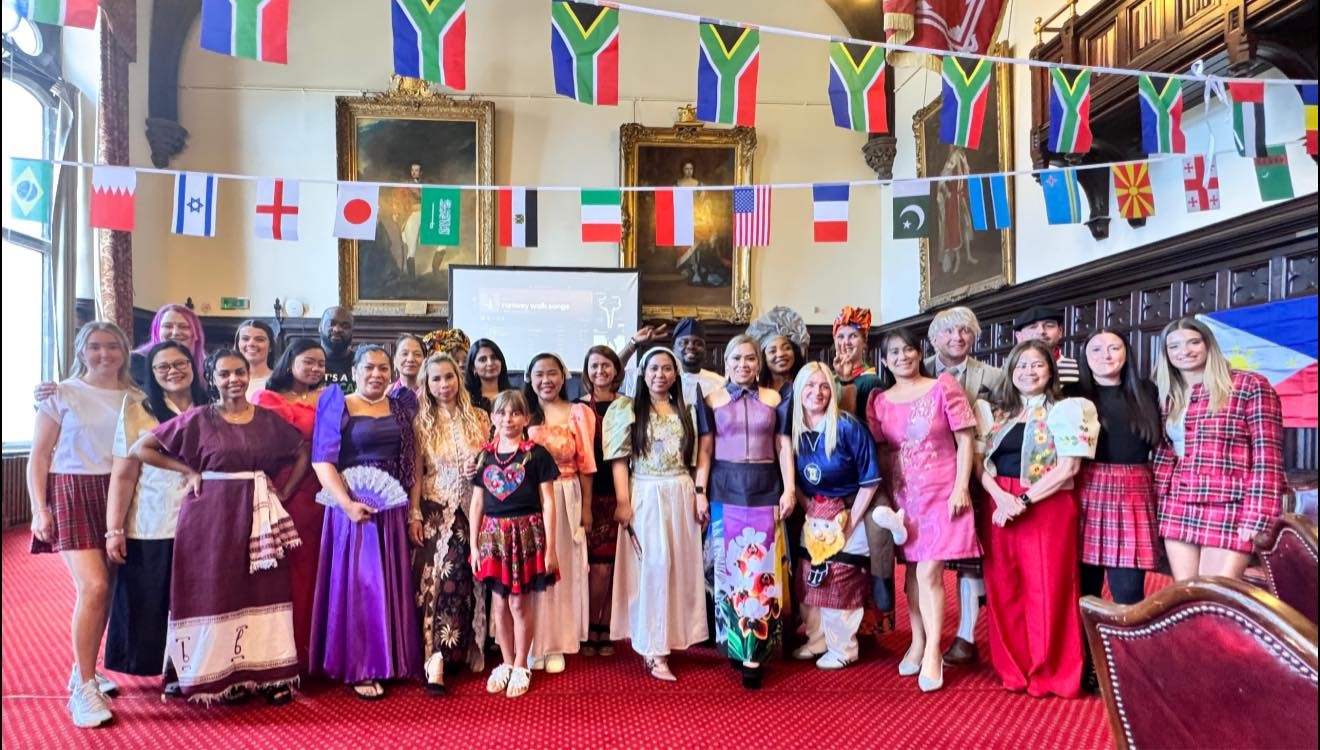
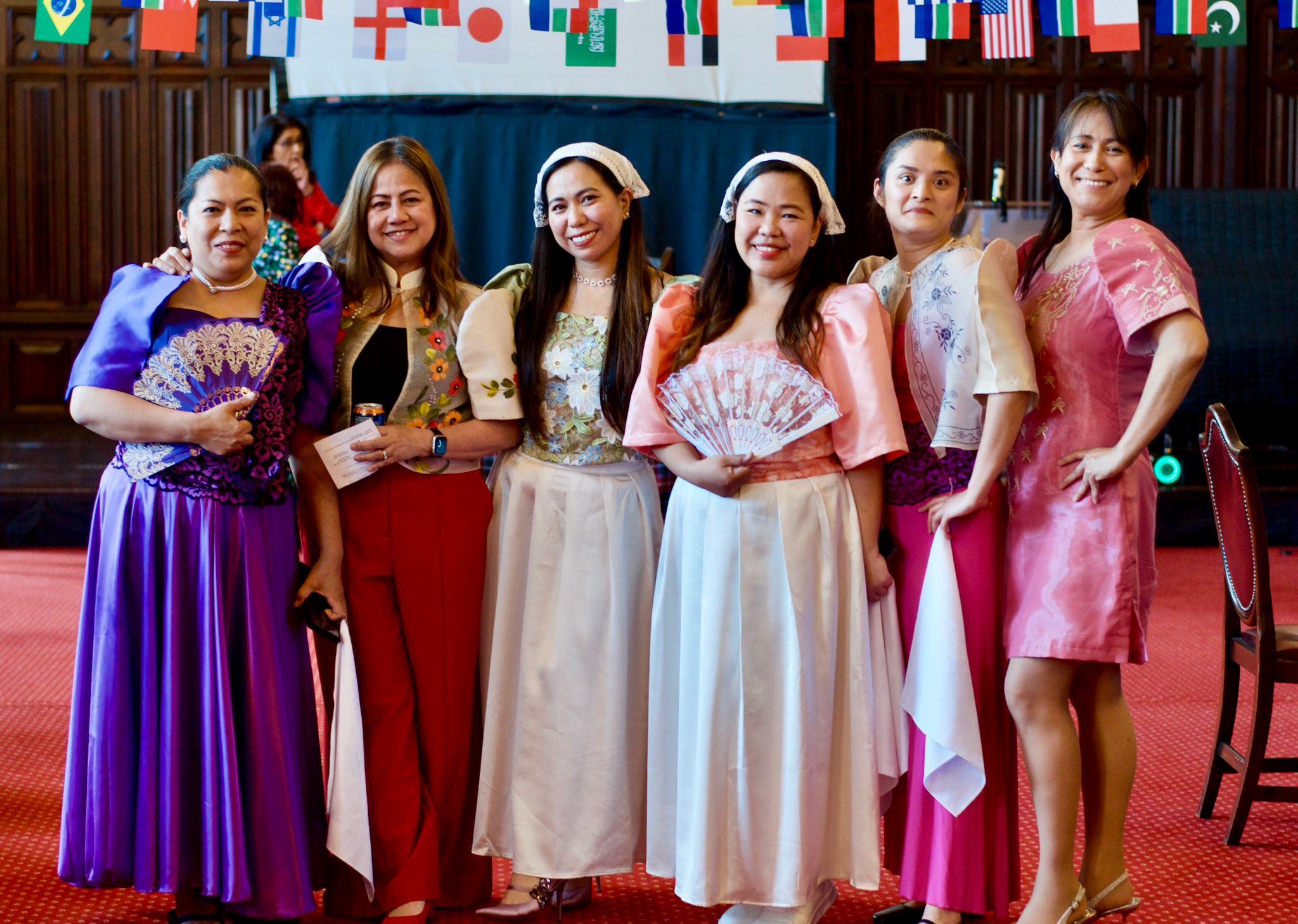
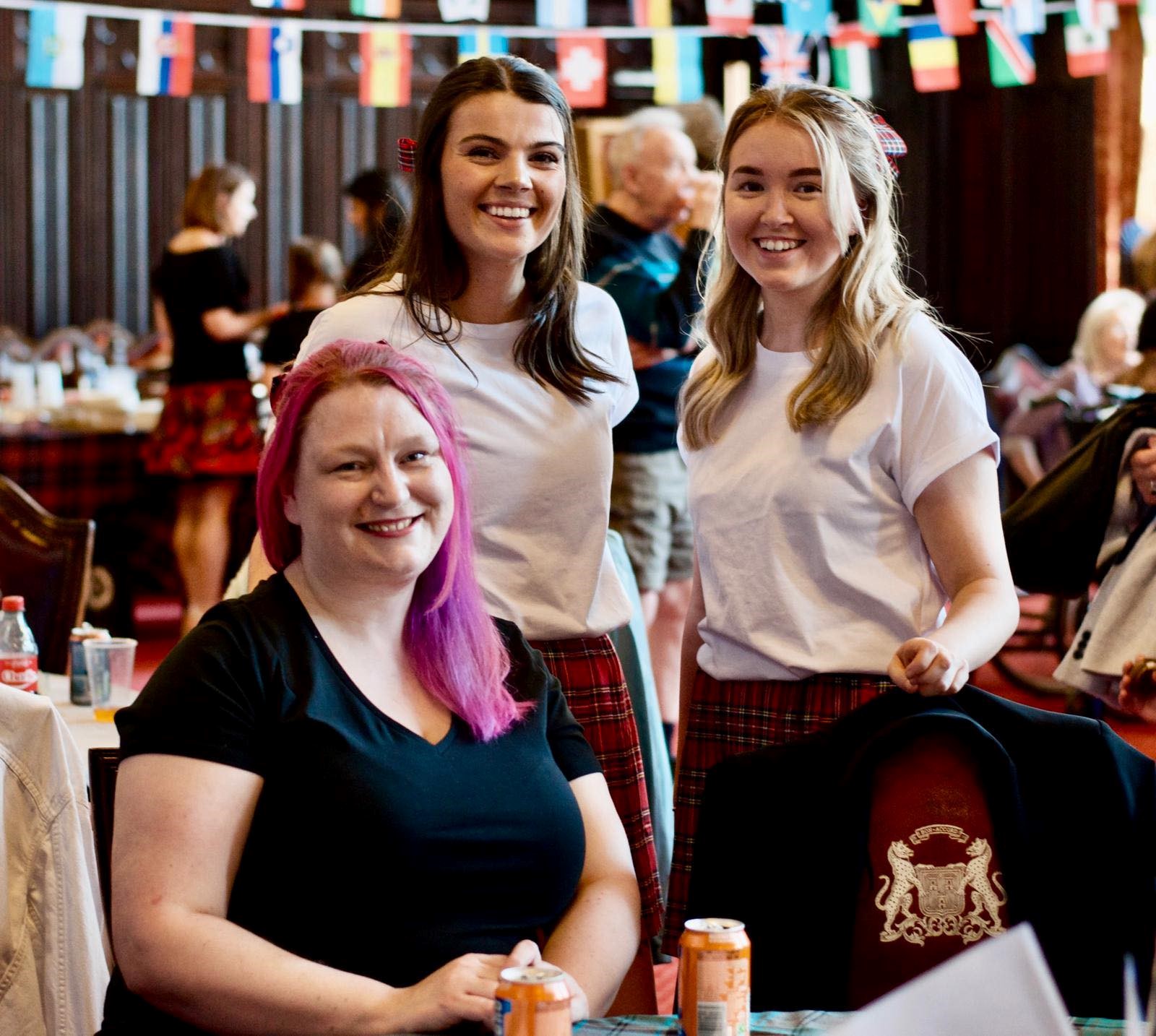
On 21st May 2025, the historic Aberdeen Town House came alive with colour, music, and celebration as local care homes joined together for a special World Diversity Day event. The programme was a collaborative effort led by Mel Shearer from Fairview House, Nadine Garcia from Torry Nursing Home, and City Care Homes Lead Nurse Elaine Morrison.

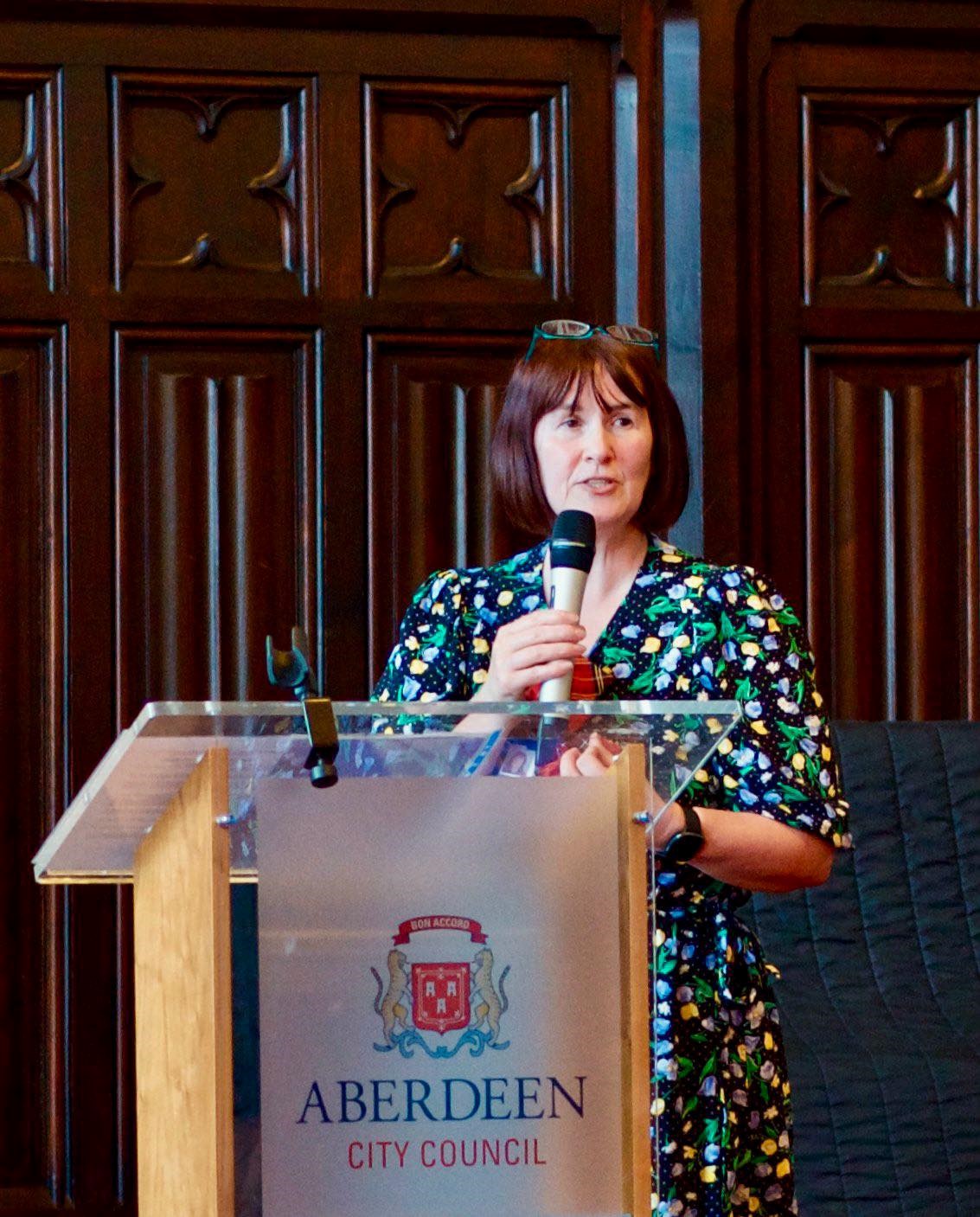
The event began with a warm and heartfelt welcome from Mel Shearer, who shared the inspiration behind the project—to create a space where diversity is celebrated, differences are respected, and staff from different care homes in Aberdeen could come together, connect, and learn from one another. This was followed by a powerful keynote speech from Baldeep McGarry, Diversity and Inclusion Lead at Aberdeen City Council. Her message was simple but strong: diversity is not just acknowledged, it’s celebrated and honoured.

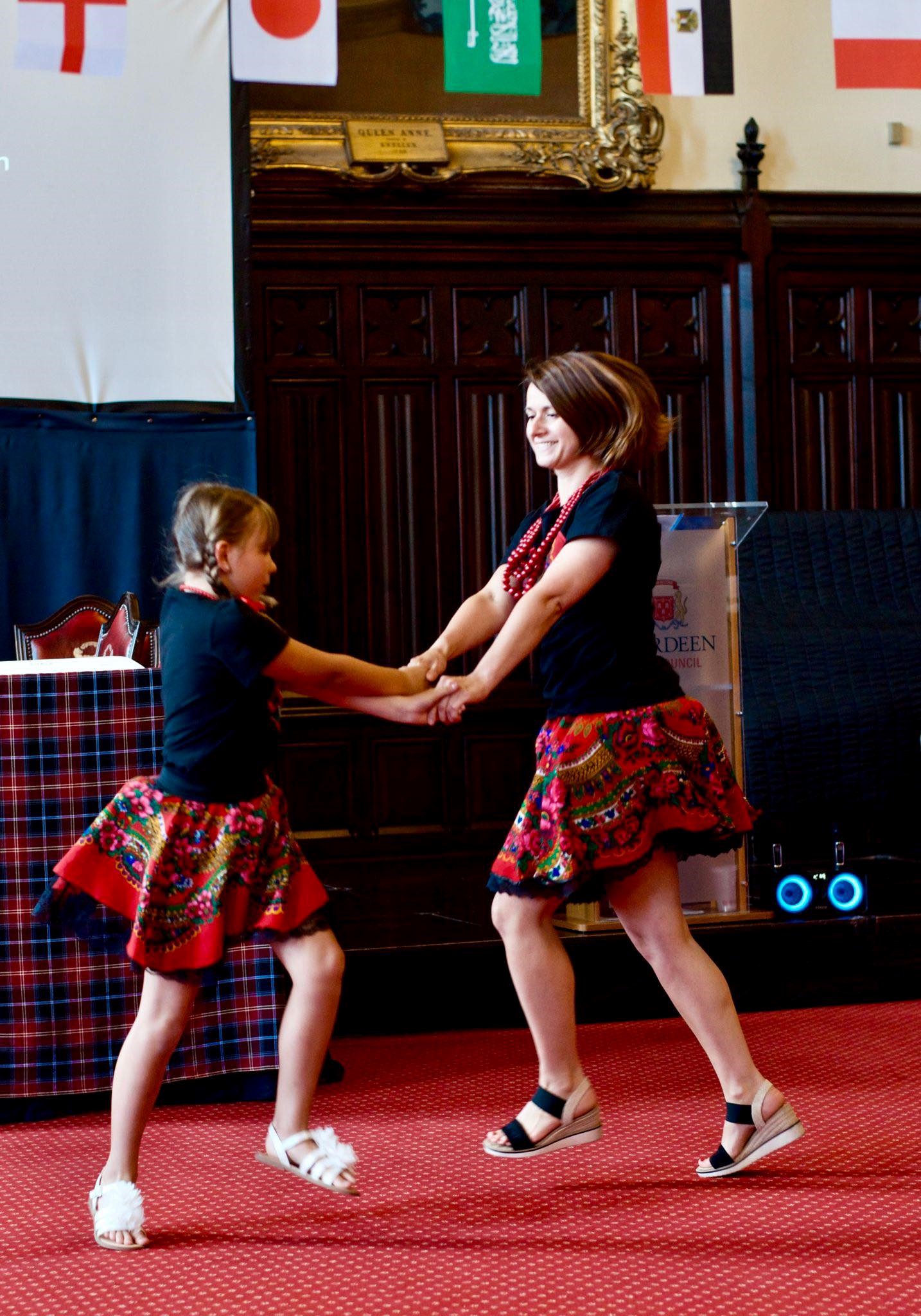
A highlight of the day was the incredible performances by care home staff, showcasing dances from around the world including a Filipino, Jamaican, Polish folk dances and a touching song performed in Tagalog. The Cultural Fashion Show lit up the room with traditional costumes from different countries, each with its own story as narrated by Nadine Garcia.

Throughout the afternoon, guests enjoyed homemade dishes lovingly prepared by staff, each one offering a nostalgic taste of their own home.

Before closing, Elaine Morrison presented the results of a staff survey focused on the onboarding experience of overseas workers, sparking conversations on how to better support and welcome them into our community.

With its music, colour, food, and spirit of togetherness, the event was a huge success! Thanks to everyone who came and supported, it was a day to remember, from our local community, to staff members, Aberdeen Health and Social Care Partnership and Care Inspectorate.  We now look forward to making this a cherished annual tradition.

Care Tech Award Winners 2025 Announced

Congratulations to Our Care Tech Award Winners!

As part of the inaugural Care Tech Assembly,  held on 19 June at the Studio in Glasgow,we were proud to launch and celebrate the first-ever Care Tech Awards, recognising excellence, innovation, and leadership in the use of technology in social care.

A huge congratulations to our 2025 winners, and thank you to our generous sponsors for supporting this celebration of impactful, person-centred tech across the sector.

2025 Care Tech Award Winners

Inclusive Tech Champion Award
Winner: Active Care Group
Sponsored by: Opencast

Care Tech Innovation Award
Winner: HelpFirst
Sponsored by: Add Jam

Ethical and Green Tech Award
Winner: North West Glasgow Voluntary Sector Network
Sponsored by: Go Code Green

Care Tech Integration Award
Winner: Mansfield Care Group
Sponsored by: Lilli

Thank you to everyone who submitted, supported, and participated!

#CareTech

‘The Song Remains’: Music, as an act of hope. A reflection for World Music Day.

Today (21st June) is World Music Day – a time when across the globe, communities gather to celebrate the universal language of melody, rhythm, and song. When radio stations take advantage of the day to entice us to listen more and when a plethora of local events celebrate the day.

I have been an avid listener to so much music since my earliest childhood days when like so many of us the music our parents listened to shape our eardrums and taste. For me it was a mixture of Gaelic song filtered by Jim Reeves, Elvis, the Beatles and Johnny Cash. Then with the maturity of age the eclectic mix of Crowded House, Abba, Runrig and my source of all inspiration to this day Bruce Springsteen and the E Street Band. Our music shapes, moulds, inspires and conditions us.

So, as I reflect of World Music Day, I do indeed think of all the gigs and events I have been lucky enough to attend but I also think of the less grand and quieter, more intimate spaces where music has exerted its power over me, from my family front room to student flats and outside buskers.

But over the last few years in particular I have grown to appreciate the tremendous power of music in places and spaces which are even more hidden and quieter than the usual performance venues we might be familiar with, in our care homes, in hospital wards, in the living rooms of those living with frailty, dementia, and decline. It is here, often behind closed doors, that the true miracle of music quietly unfolds.

For older people, music is not merely entertainment. It is connection. It is comfort. It is continuity of self. It is therapy. In these spaces, music is a vessel that carries the individual across the sometimes-frightening gaps carved by time, illness and memory loss.

As a young parent I was acutely aware of the work of music psychologists in terms of early brain formation, and you only have to look at the music catalogues to see the downloads from Bach for Babies to Mozart for Toddlers. It has taken us a bit longer to validate the significant role that music plays for older people care and support.

Modern research has increasingly begun to validate what many carers and families have long intuited: music accesses parts of the brain often untouched by disease. The pioneering work of neuroscientists such as Oliver Sacks, and more recently the international consortiums studying music and dementia, show us that the neural pathways involved in music processing – particularly rhythm and melody –  are uniquely resilient, often remaining intact even as cognitive faculties decline.

In functional MRI studies, regions such as the medial prefrontal cortex –  areas tied to autobiographical memory and emotional regulation –  show sustained activity when individuals listen to personally meaningful music, even in advanced stages of dementia. In one striking study published over a decade ago in 2015, researchers observed that musical memory can remain accessible even when other forms of memory are lost, offering individuals a bridge to their sense of self.

Music appears to activate broad networks of the brain simultaneously: motor areas, language centres, limbic regions responsible for emotion, and –  perhaps most importantly – the default mode network linked to self-awareness. It is no wonder that, in so many cases, individuals who struggle to recognise loved ones can nevertheless sing along, note-perfect, to the songs of their youth.

I have to confess that in not a few places I have argued that it is important that we recognise the sheer value in people being entertained and in taking enjoyment from sound and music. I also believe it is critical that we also recognise the profound benefits which can be gained by people at any age in life participating in and creating music. Life should not just be about passive receipt of the creativity of others but a participation in self-expression and creative musicality. But be that as it is , I sometimes feel we lose sight of the sheer therapeutic value of music and musicality, and do so at our cost.

Beyond the astonishing resilience of musical memory, a growing body of research has documented the tangible benefits of music-based interventions for older people.

Randomised controlled trials have consistently shown that music therapy can reduce symptoms of anxiety and depression in older adults, particularly those living in long-term care settings. The act of listening to, or creating, music stimulates dopamine release, contributing to improved mood and wellbeing.

In dementia care, personalised music playlists have been shown to reduce agitation, restlessness, and the use of antipsychotic medications –  a profoundly important finding in light of concerns over overmedication in care.

Even more so whilst music cannot reverse cognitive decline, engaging with music – whether through singing, drumming, or listening – provides meaningful cognitive stimulation, maintaining attention, language, and even aspects of executive function.

And perhaps most importantly, music offers a shared space for relationship, for communication beyond words. It creates opportunities for care staff, families, and care home residents to connect on a deeply human level.

Of course, not all music is created equal. The most effective musical interventions are not generic playlists of “golden oldies”, but carefully curated selections rooted in the personal histories and preferences of each individual. The song that stirred a heart in 1955 may not be the same as the one cherished in 1975. That is why the amazing work of Playlist for Life deserves every bit of focus and support.

In this sense, music care becomes an act of human rights-based care – one which honours the individuality, autonomy, and lived history of the person. We must resist the temptation to treat older people as a homogeneous category and instead engage in the work of listening to their life stories, through and alongside their musical tastes. I have no doubt a lot of my story is tied into by walking alongside Springsteen whilst others would run a mile from that journey !

If we are serious about reimagining care and support in Scotland and across the UK, then music should not be seen as an “add-on” or a luxury, but as an essential part of care practice. It has been easier to argue that point and case for residential care, it has been well-nigh impossible to convince commissioners and financiers of the value and merit in prescribing music and its therapeutic use in care at home. Yet, if the benefits of music not least as a preventative tool for decline and deterioration – are true of residential care then that truth sings even louder in someone’s own home. It is not fanciful or naïve to argue that we should have music as a core part of relational, time-flexible, person-led homecare. This is  surely the heart of social prescribing?

We need greater investment in training care staff to use music therapeutically; partnerships between care homes and professional musicians; research funding to deepen our scientific understanding; and national policy that recognises the centrality of the arts to wellbeing across the life course.

In the end, music reminds us that identity endures even as so much falls away. The rhythm of a waltz, the swell of a hymn, the first few bars of a favourite song – these can bring a spark of recognition, a light behind the eyes, a squeeze of the hand.

And that is why, on this World Music Day, I find myself filled not only with gratitude for the gift of music, but with a renewed sense of responsibility. To ensure that every older person, regardless of circumstance, has the right to their song. The right to be heard. The right to be remembered.

Because, in the words of the late neurologist Oliver Sacks:

“Music can lift us out of depression or move us to tears – it is a remedy, a tonic, an orange juice for the ear. But for many of my neurological patients, music is even more – it can provide access, even when no medication can, to movement, to speech, to life. For them, music is not a luxury, but a necessity.”

I will give the last word to The Boss, who speaks of the power of music in “No Surrender” (from the Born in the U.S.A. album, 1984):

“We learned more from a three-minute record, baby, than we ever learned in school.”

This line beautifully captures how deeply music can shape identity, inspire action, and teach us about life- often more powerfully than traditional education. It’s one of Springsteen’s most quoted reflections on the transformative force of rock and roll. And for those whose sounds are different – all music changes our worlds if we allow ourselves to hear.


Donald Macaskill

Photo by Marius Masalar on Unsplash

UHI Argyll showcases innovative training initiative

UHI Argyll showcases innovative training initiative at Parliamentary reception

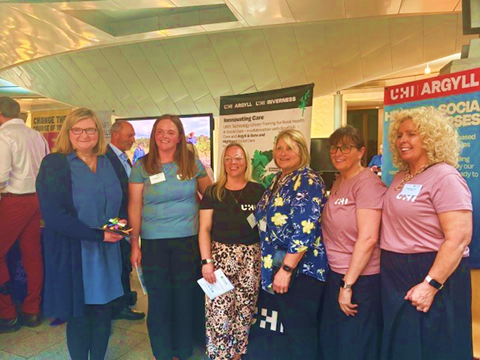
On Tuesday 29 April 2025, staff and students from UHI Argyll attended the Colleges Scotland Parliamentary reception to present a technology-driven training initiative designed for rural Health and Social Care.

Students Christel, based on the Isle of Tiree; Margaret, who oversees housing and care services across Scotland; and Debbie and Julie, who both work in care settings in Helensburgh, attended the event at Holyrood, along with lecturer Margaret Eccles. Argyll and Bute MSP Jenni Minto was keen to meet the students and hear about the collaboration.

The project, Empowering Care Homes – A Training Partnership is a collaboration between Argyll & Bute HSCP, UHI Argyll, and Scottish Care, aimed at addressing training challenges in rural and island-based care homes. With post-COVID-19 recovery funding, it employs a Train the Trainer model to reduce dependence on external providers and enable care homes to deliver in-house training. Given Argyll’s vast and fragmented geography, this flexible approach ensures staff across remote locations receive high-quality, consistent training.

Participants enrol in UHI Argyll’s CPD course, Plan and Deliver Training Sessions in a Care Setting, which is delivered through live online classrooms, interactive learning tools, remote assessments, and individual tutorials. The programme focuses on critical areas such as dementia and end-of-life care, equipping care staff to train their colleagues effectively.

For rural employers, this initiative offers significant advantages by reducing costs, logistical barriers, and reliance on external trainers. It ensures that training fits within 24/7 staffing models, enhances workforce skills, improves care standards, and supports staff retention by offering accessible professional development. By fostering internal expertise, the programme helps care homes maintain training standards aligned with their unique operational needs. The structured approach integrates training into the daily work environment, making it more relevant and immediately applicable.

Dunoon student Grace said:

“The course can bring numerous benefits not only to my own career, but to my staff and residents too. It enhances staff training, compliance and regulations, improves staff retention, and most importantly leads to better resident care. It has significantly enhanced my leadership skills, boosting my confidence in communication, coaching, and mentoring.”

The partnership between Scottish Care, Argyll & Bute HSCP, and UHI Argyll, highlights the power of collaboration and innovation in overcoming challenges. By embracing technology and innovative approaches, the pilot programme serves as a model for sustainable, high-quality professional development across the region, and other rural areas across Scotland.

Jenni Minto MSP with UHI Argyll students Christel, Debbie, Julie and Margaret, and lecturer Margaret Eccles at the Colleges Scotland Parliamentary Reception

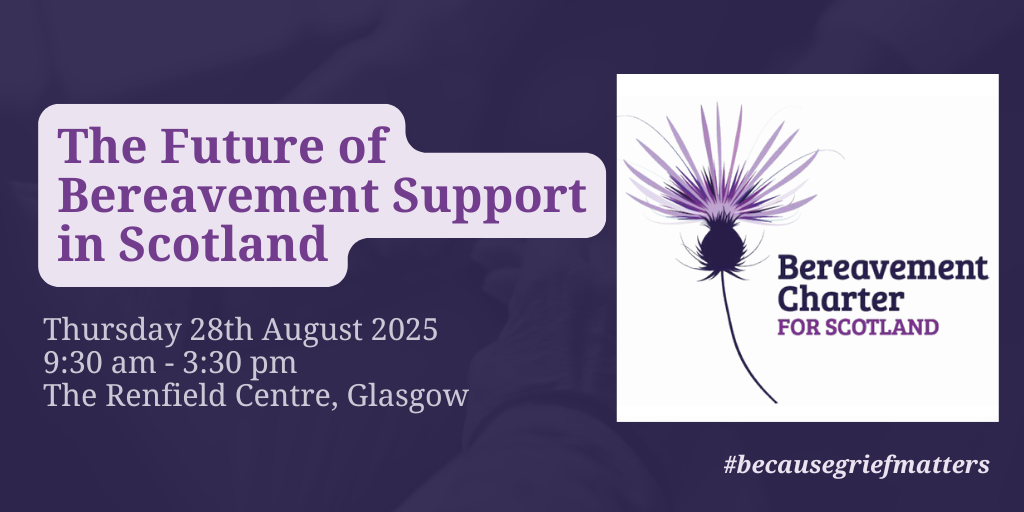
The Future of Bereavement Support in Scotland – 28 August

The Future of Bereavement Support in Scotland

Thursday 28 August 2025
Renfield Centre, Glasgow
9:30am – 3:30pm
Free (booking required)

Join us for a powerful and thought-provoking one-day event exploring how Scotland can build a more compassionate and coordinated future for those experiencing bereavement.

Hosted by the Scottish Bereavement Charter Group, this event will bring together national voices, frontline practitioners, and people with lived experience to reflect, connect, and collaborate.

Expect:

  • Inspiring talks and panel discussions
  • Practical workshops on current and future bereavement support
  • Creative and interactive sessions
  • Opportunities to network and share best practice

Click here to view the full event programme

⚠️ This is a free event, but if you’re no longer able to attend, please cancel by 21 August 2025. A £25 non-attendance fee will apply after this date to cover venue and catering costs.

Spaces are limited, book your place now: https://scottishcare.org/event/the-future-of-bereavement-support-event/

#BecauseGriefMatters

Immigration Webinar – 26 June 2025

Date: Thursday 26 June 2025
Time: 2:00 pm
Online: Microsoft Teams

Scottish Care is hosting a special webinar focused on recent immigration changes and their impact on the social care sector, offering members a chance to gain deeper insights into this complex and evolving topic.

This session will feature input from:

  • Alan Povey, Senior Specialist Lead (International Recruitment), NHS Education for Scotland
  • Mark Templeton, Director and Head of Immigration at Anderson Strathern

Alan will provide a short update on the immigration changes, followed by legal insights from Mark Templeton. The session will then open up for a general Q&A and discussion.

Please note: While we will welcome general questions, this session cannot provide legal advice on individual immigration cases.

This is a valuable opportunity to stay informed on one of the most pressing workforce issues facing social care providers.