The frost clings to the windows of a care home. Inside, a carer hums a carol, her voice soft against the hum of an oxygen machine. A resident stares at the tree lights, wondering if her family will come. Across town, an unpaid carer sets down her shopping bags and begins the evening routine of lifting, washing, soothing, all the while as the kettle boils in a kitchen that feels both sanctuary and prison. In another village, a homecare worker drives through sleet to reach an older man who waits for help with his supper.
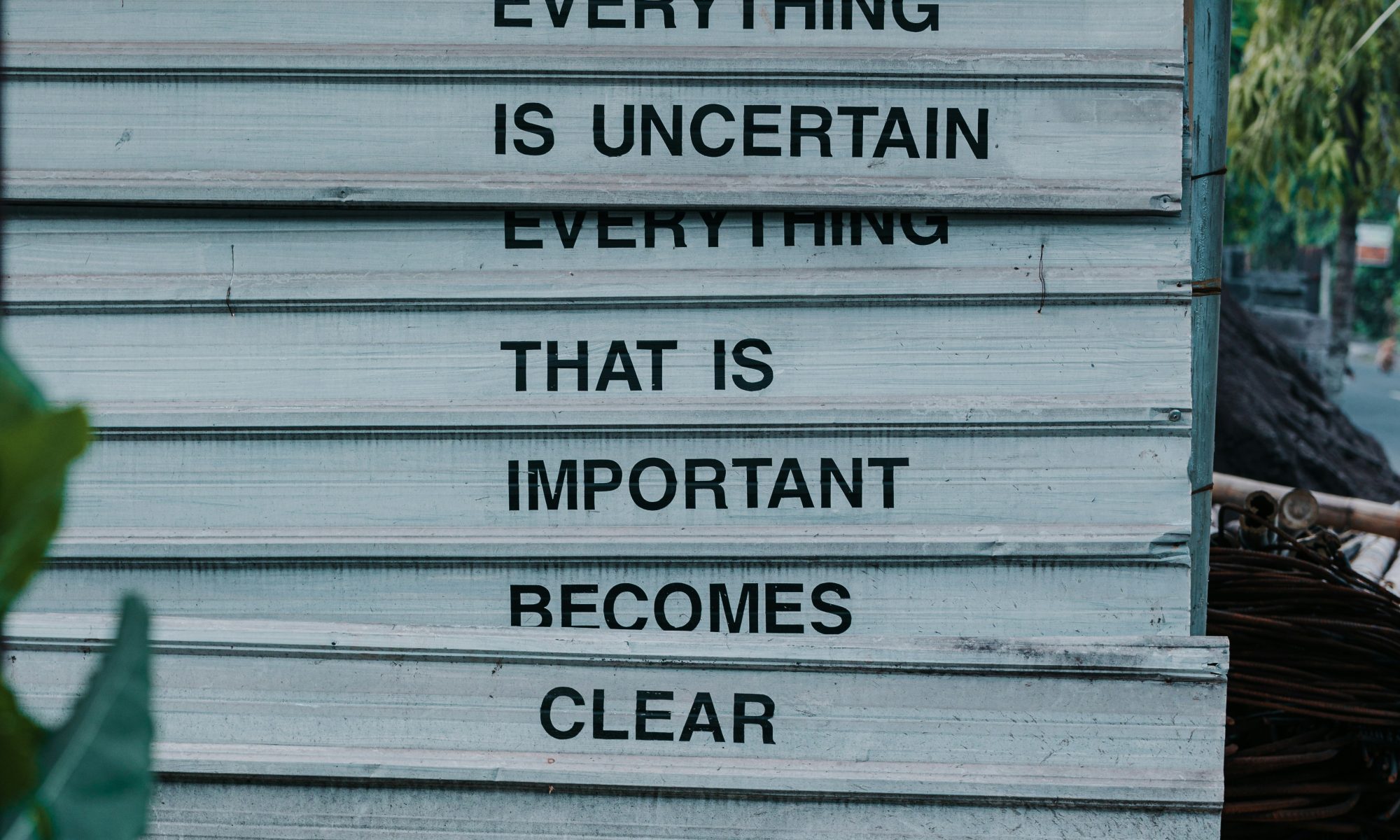
This is the paradox of Christmas in social care: joy and fragility intertwined. For Scotland’s care homes, homecare services, and unpaid carers, this season arrives amid deep uncertainty, the reality of staffing shortages, savage cuts because of Government under-funding, loneliness that lingers like winter fog. We long for certainty, for answers that will fix the cracks. But what if certainty is not the gift we need? What if hope, fragile yet fierce, is the light that can guide us?
The Scottish social care sector stands at a critical place as we come to the end of this year. Reports speak of workforce crises, rising costs, and the emotional toll on carers stretched beyond measure. Families worry about quality and continuity; providers wrestle with sustainability and even survival itself. Homecare services struggle to recruit and retain staff, lack of commissioned care means many older people are waiting for visits that never come. Unpaid carers, often family members, carry invisible burdens, sacrificing careers, health, and rest to keep loved ones safe.
In such a climate, the instinct is to seek certainty, and to do so through rigid policies, technological fixes, or predictive models. But life, especially life at its twilight, resists such neatness. Prognoses shift, needs evolve, emotions defy algorithms. Whether in a care home, a living room, or a carer’s kitchen, uncertainty is the constant companion.
Last month I was privileged to take part in a workshop and to attend a session delivered by Dr. Ariel Dempsey. It was during the always wonderful Scottish Partnership for Palliative Care Conference and this past week I was fortunate to meet up again with Ariel when I was in Oxford.
Ariel’s doctoral work at Oxford reframes uncertainty not as a problem to be solved but as an experience to be palliated – soothed, softened, and held with care. In her thesis, Palliating Uncertainty: Tools from the Pragmatism of William James, she argues that uncertainty causes suffering akin to physical symptoms and therefore deserves the same compassionate attention as pain or breathlessness. Traditional responses – over-investigation, over-medicalisation – often amplify distress rather than relieve it. Instead, Dempsey proposes an approach grounded in the ethos of palliative care: acknowledge uncertainty, orient toward meaningful action, and cultivate relational support.
Drawing on William James’ pragmatism, Dempsey frames uncertainty as an invitation to act rather than a barrier to truth. James wrote of “the will to believe”; the idea that when evidence cannot decide, hope becomes a genuine option. For Dempsey, this means clinicians (and by extension, carers) must act with humility and courage when certainty fails. We cannot eliminate uncertainty, but we can meet it with grace.
Her practical steps include managing expectations: naming uncertainty openly rather than masking it. It also means turning attention to action: asking, “What matters most now?” instead of “What will happen next?” And most importantly it means relational holding: building communities of care where uncertainty is shared, not borne alone.
This is not abstract philosophy. It is deeply relevant to social care. For homecare workers, it means entering each home with openness, knowing that plans may change and emotions may surge. For unpaid carers, it means finding strength in the ordinary, in the ordinary acts of making tea, sharing stories, all the time while living with questions that have no easy answers.
Liz Lochhead captures this time of yearning and longing in her winter verse from Festive Poems:
“These are the shortened days
and the endless nights.
So wish for the moon
and long for the light.”
In care homes, in kitchens, in cars parked outside rural cottages, these shortened days are literal and metaphorical. Yet the act of wishing – the audacity of hope- is itself a form of resistance against despair.
Hope, in this frame, is not naïve optimism. It is active, relational, embodied. It is the quiet courage to believe that even in the shadowed places, light can still break through. In social care, hope takes shape in small acts: a carer learning a resident’s favourite song; a homecare worker pausing to share a laugh; an unpaid carer finding respite through a neighbour’s kindness.
William James reminds us that hope is a moral choice when certainty fails. To hope is to act as if goodness is possible, even when the evidence wavers. For Scotland’s care homes, homecare services, and unpaid carers, this means investing not only in infrastructure but in relationships. It means training carers in presence, not just procedure; designing systems that honour the mystery of life, not just its metrics.
Another Scottish poet Josephine Neill’s A Christmas Poem offers a vision of hospitality that mirrors the heart of care:
“Step ower the straw
Draw ben tae the fire
Afore the day daw.”
This is what care should feel like: an invitation to warmth, a shelter against the cold. In a world obsessed with efficiency, such gestures are revolutionary.
Christmas itself is a story born in uncertainty: a child in a manger, a family far from home, a future unwritten. And yet, hope arrived not as certainty, but as promise. This is the hope we need in social care: not the brittle assurance that all will be well, but the resilient trust that love can flourish even in fragile places.
The true gift of Christmas is presence. For those who live and work in care homes, for homecare workers driving through winter nights, for unpaid carers who give without measure, that gift is you – the carers, the families, the communities who choose to love in the face of the unknown.
As we look to renew our communities and social care and support, let us not seek perfect answers but better questions. Let us shape care, whether in homes or residential homes, into sanctuaries of meaning, where uncertainty is met with grace and hope is practiced daily. Let us remember that policy and funding matter but so do poetry and presence, song and silence, firelight and friendship.
This Christmas, may we embrace the dance of uncertainty. May we choose hope not as sentiment, but as strategy, not as illusion, but as moral courage. For in that choice lies the future of care.
In the hush of winter’s breath,
Where questions linger, answers flee,
Hope is not a fortress strong;
It is a candle, trembling free.
It does not banish all the dark,
Nor silence every fear we keep,
But in its glow, we find the strength
To love, to listen, and to weep.
Donald Macaskill