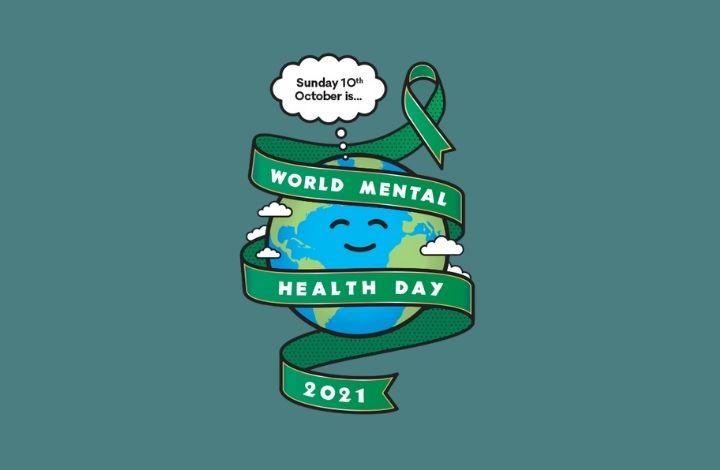
Tomorrow is Mental Health Day which provides us all with an opportunity to reflect on issues of mental health and ill health.
On Monday last I read of the launch of a report by the Mental Health Foundation (MHF) on the stress of mental health impacting on our workforce. MHF has called for the establishment of a Future of Work Commission which it claimed could help ensure post-pandemic labour practices support mental wellbeing.
One of the few positives of the pandemic has been an increased awareness and appreciation of issues of mental health within the workplace. However, MHF argued that more needed to be done and their senior policy lead Toni Giugliano told the BBC that:
“Poverty, job insecurity and under-employment are among the root causes of poor mental health.”
A very long time ago I was involved in research on the extent to which one’s occupational role status impacted on your sense of mental well-being and the relationship between your role being under pressure and any burnout or stress you experienced. In general terms the research showed that the extent to which you are valued by others in the work you do, the societal value of your role in the community, played a very significant part in whether you experienced burnout or stress. If you do a job which others respect, value and affirm then it was a huge contributor to feeling healthy and well about yourself. The positive benefit of a valued role was especially the case in situations where the job you did was under pressure and when things were tough or hard. The opposite was also the case – namely that is if your role was not valued by society or others then that heightened your sense of stress and mental health challenge.
Such an awareness together with the increased knowledge of mental well-being in the workplace has made me reflect on how we regard the role of the professional carer. During the pandemic were you to consider the value we placed on social care workers you at best would have evidenced a fluctuating appreciation.
Way back in March and April 2020 along with many others I was appalled at the way in which frontline social care staff were turned away from the priority shopping queues at some of our large supermarkets – because they were not employed by the NHS but were ‘just a carer.’ Then things began to improve as the Thursday clapping on our doorsteps began to include care staff not least as the sad statistics of loss in our care homes gained more media attention. But then we went into the summer and autumn and the clapping fell into silence.
Politicians then began to talk up the role of care and at least during the Scottish election there was an enhanced awareness of the need to reward and better remunerate frontline care staff.
But more recently things seem to have taken a backward step as we saw frontline homecare staff struggling to get priority treatment as they tried to get hold of petrol in order to drive their cars to do their job. Combine that with the unwillingness to ease immigration rules to allow care staff to be recruited and you get a very different perspective on how we do or do not value frontline care work and carers.
Why does all this matter? A huge amount if as we have stated above that there is a close correlation between the way society values the job you do and your own self-esteem and mental health. It is one thing to burst your gut, to put your health on the line day in and day out as our care staff have done for so long and way before COVID-19 if you feel others value you and hold you in esteem – it is quite another thing if you are held with little regard, given minimum thought and respect and paid inadequately for the work you do. This is often seen in the perverse debate which considers the job of care as ‘low-skilled’ instead of the professional, multi-skilled role it is. Too many people think of a home carer as someone who does the shopping and cleaning for another forgetting that it also carries with it skilful moving and handling, medication management, personal care, end of life and palliative care, mental health support and so much more.
As we consider mental health awareness as a whole society and community I think we urgently need to re-evaluate how we view frontline care. Those who give of the best of their humanity to care for and support another human being, those whose task it is to enable others to achieve their best and fullest potential, should not be viewed with such dismissive disinterest and disdain as they often are. Frontline care is a mirror of our humaneness at its best; those who care – whether in paid care or not – are the best of us.
If we are to address the very real workforce challenges facing social care in Scotland at this time – then we would do well to start with giving proper respect and status to those who care. If we do, then the self-esteem and integrity of the carer will be advanced and we just might avoid the appalling burnout and work related mental distress we are witnessing in increasing amounts. That’s something worth striving for not only on Mental Health Awareness Day but every day.